Headless CMS solutions are revolutionizing the way we manage and deliver content. By separating backend content storage from frontend presentation, these systems offer incredible flexibility for developers to create unique user experiences. With an API-driven approach, you can choose your favorite programming languages and frameworks, which streamlines development processes. Key benefits include faster editing workflows and the ability to easily scale as traffic increases or needs change. Additionally, headless CMS platforms enable seamless omnichannel content delivery across websites, mobile apps, and more. When choosing a solution, consider your project’s specific requirements, including technical expertise and integration capabilities for maximum success.
1. Understanding Headless CMS Solutions
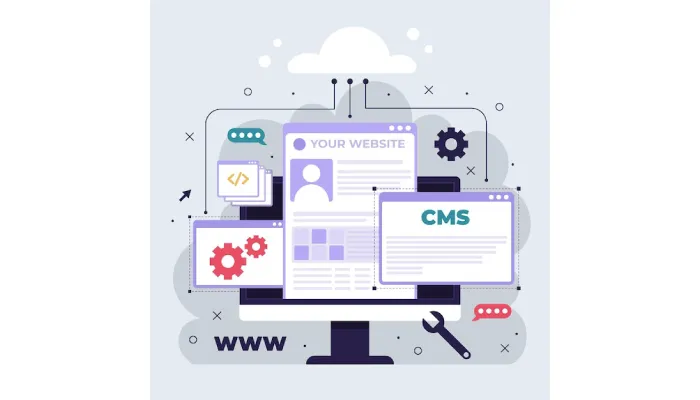
A headless CMS is an exciting way to manage content, as it separates content storage from how that content is presented. Unlike traditional CMS platforms that couple the backend and frontend, headless CMS solutions in Vancouver provide a flexible architecture, allowing developers to craft unique user experiences without being constrained by the backend structure. Popular platforms like Contentful, Strapi, and Sanity showcase this innovative approach, making it easier for teams to deliver content seamlessly across various digital touchpoints.
At the heart of headless CMS solutions is the use of APIs and JSON. APIs allow applications to communicate with the content stored in the CMS, enabling developers to choose their preferred programming languages and frameworks, such as React or Vue.js. This flexibility accelerates development cycles and boosts efficiency. JSON, a lightweight data interchange format, is commonly used to deliver content, ensuring fast and reliable data transfer between the backend and frontend.
Content modeling plays a vital role in headless CMS, as it helps define the types of content and the relationships between them. This structured approach ensures that developers can create tailored content experiences that meet the specific needs of their projects. Furthermore, headless CMS solutions are built to support dynamic content, adapting quickly to real-time data changes, which is essential in today’s fast-paced digital landscape.
Another notable advantage is the potential for future-proofing. Headless CMS can easily adapt to new technologies and digital trends, making them a smart choice for organizations looking to stay ahead of the curve. The rise of omnichannel experiences, where users interact with content across multiple platforms, has only increased the demand for headless CMS solutions, as they provide a robust framework for delivering consistent and engaging content across all channels.

2. Key Features of Headless CMS
Headless CMS solutions bring a fresh approach to content management with their key features. Their decoupled architecture allows developers to create unique user experiences without the limitations of traditional backend systems. This means you can design innovative interfaces that truly reflect your brand's vision. The API-driven content delivery is another standout feature, enabling seamless integration with various platforms and applications, making it easier to reach your audience wherever they are. Scalability is built into the fabric of these systems, designed to handle high traffic while maintaining remarkable performance, which is crucial for growing businesses. Additionally, omnichannel delivery capabilities ensure that users enjoy a consistent experience across web, mobile, and even IoT devices. Security is enhanced through the separation of frontend and backend, significantly reducing vulnerabilities. Customizable content models allow you to tailor your content structure to fit your specific project needs, making it highly adaptable. User roles and permissions provide tailored access controls, ensuring that team members can work efficiently without compromising security. Version control for content is essential for tracking changes over time, helping teams manage updates effectively. Media asset management features streamline the handling of images, videos, and other media types, making it easier to keep your content fresh. Finally, analytics integration allows for tracking content performance, offering valuable insights to refine your strategy and improve user engagement.
- Decoupled architecture: Enables developers to create unique user experiences without backend constraints.
- API-driven content delivery: Allows for easy access and integration with various platforms and applications.
- Scalability: Designed to manage high traffic while maintaining performance.
- Omnichannel delivery capabilities: Ensures consistent user experiences across different platforms.
- Enhanced security measures: Reduced risk of security vulnerabilities through separation of frontend and backend.
- Customizable content models: Flexibility in creating and managing content structures based on project needs.
- User roles and permissions: Tailored access controls for different team members.
- Version control for content: Allows tracking and managing changes over time.
- Media asset management: Effective handling of images, videos, and other media types in the CMS.
- Analytics integration: Capability to connect with analytics tools for tracking content performance.
3. Benefits of Choosing a Headless CMS
Choosing a headless CMS can unlock a treasure trove of benefits for your project. First, it offers faster editing experiences, allowing content teams to streamline workflows significantly. No more waiting around for pages to refresh, as updates can be made quickly and efficiently. This agility is particularly vital in today’s fast-paced digital landscape, where timely content updates can make all the difference.
Another exciting advantage is multi-channel content management. With a headless CMS, you can effortlessly handle content for websites, mobile apps, and even IoT devices from a single platform. This means you can maintain consistency across all your channels without the hassle of juggling multiple systems.
Developers will love the flexibility that comes with a headless CMS. They have the freedom to choose the technologies that best fit their project requirements, whether it’s React, Angular, or Vue.js. This flexibility not only enhances creativity but also leads to more innovative solutions.
When it comes to scaling, a headless CMS shines. With centralized content management, scaling your operations becomes much simpler. As your audience grows, your CMS can easily adapt without requiring major overhauls, ensuring a smooth user experience.
Performance is another key benefit. By optimizing API responses, a headless CMS delivers content faster than traditional systems, leading to improved load times and a better overall user experience. This swift content delivery plays a crucial role in keeping users engaged and satisfied.
The future-ready architecture of headless CMS solutions allows businesses to adapt to new technologies with ease. You won’t be locked into a specific setup, which means you can pivot as needed without major disruptions.
Collaboration also gets a boost with a headless CMS. Content creators, developers, and marketers can work together more effectively, as streamlined processes reduce bottlenecks and enhance communication. This collaborative environment fosters creativity and innovation.
Moreover, a headless CMS reduces dependency on specific vendors. You can switch frontend technologies as needed, giving you the power to innovate without the constraints of outdated systems. This freedom is invaluable in a rapidly evolving digital landscape.
Finally, a headless CMS can be cost-effective. While the initial setup might require investment, the potential savings on development and maintenance over time can be substantial, making it a smart choice for both startups and established enterprises.
4. How to Choose the Right Headless CMS for Your Project
Choosing the right headless CMS can feel like a daunting task, but it doesn’t have to be! Start by assessing your content structure needs. If your project has complex content relationships, you want a CMS that can handle it with ease. Next, evaluate your team’s technical expertise. Make sure your developers are comfortable navigating a headless approach, as it often requires a different skill set compared to traditional CMS.
Integration capabilities are another crucial factor. Look for a CMS that plays well with your existing tools, like CRMs or analytics platforms, to streamline your workflows. Scalability is vital too; choose a CMS that can grow alongside your project without sacrificing performance. As your audience expands, you want to be ready.
Don’t overlook research on support and community. A robust community can be a lifesaver during implementation and troubleshooting. Investigate the pricing models as well; understanding costs upfront helps avoid surprises down the line. Customization options are key, too. Ensure the CMS can be tailored to fit your specific needs and workflows.
Thoroughly evaluate documentation and available resources. Comprehensive guides and tutorials can make the adoption process smoother. Finally, test user experiences by trying demos or trials. This gives you a firsthand feel for how intuitive the system is. And don’t forget to seek feedback from current users. Their insights can provide valuable perspectives on the pros and cons of each option. With these considerations in mind, you’ll be well on your way to selecting the perfect headless CMS for your project!
5. Use Cases for Headless CMS Solutions
Headless CMS solutions are tailor-made for various exciting applications that elevate content management to new heights. In the world of e-commerce, they shine by managing product catalogs and content seamlessly across multiple sales platforms, ensuring a smooth shopping experience for customers. Mobile apps benefit greatly, too, as headless CMS allows developers to reuse content across iOS and Android applications, maintaining consistency and reducing workload. Digital signage takes advantage of real-time content updates for advertising or information displays, making it possible to engage audiences instantly. For web applications, headless CMS provides dynamic content delivery, setting the stage for interactive experiences that captivate users. Content-driven websites, like blogs and news outlets, can present information differently based on user preferences, enhancing engagement and personalization. Corporate websites with extensive content libraries can manage their assets while ensuring a cohesive brand experience across all channels. Social media integration becomes seamless, allowing for easy content sharing across platforms, which can amplify reach and visibility. Furthermore, headless CMS solutions are ideal for IoT devices, delivering tailored content to smart devices and wearables in a connected ecosystem. Educational platforms, such as e-learning systems, require flexible content management, and headless CMS meets this demand beautifully, adapting to various course needs. Lastly, marketing campaigns can leverage headless CMS to support targeted initiatives, delivering customized content across different channels to maximize impact.
Frequently Asked Questions
What is a headless CMS, and why should I care about it?
A headless CMS is a content management system without a front end, allowing you to manage and deliver content to any platform or device easily. You should care because it offers flexibility, better customization options, and improved performance for your projects.
How do I know if a headless CMS is right for my project?
To determine if a headless CMS fits your project, consider factors like your content delivery needs, how many platforms you plan to distribute content on, and the level of customization and scalability your project requires.
What are the key features to look for in a headless CMS solution?
Look for features such as an easy-to-use interface, robust API support, scalability, multi-channel publishing capabilities, and strong security measures to ensure your content remains safe and accessible.
Can I integrate a headless CMS with my existing tools and systems?
Yes, most headless CMS solutions come with APIs and plugins that allow integration with various tools and systems you may already be using, like analytics, e-commerce, and marketing platforms.
How does a headless CMS improve my website's performance?
A headless CMS can improve your website's performance by delivering content faster and allowing for a more streamlined website architecture. This results in quicker load times and better user experiences across all devices.
TL;DR Explore the exciting world of headless CMS solutions, which decouple content management from presentation, offering flexibility, scalability, and enhanced security. Key features include API-driven access, omnichannel delivery, and improved performance. Benefits like faster editing experiences, developer flexibility, and easier scaling make headless CMS appealing for diverse use cases like e-commerce and mobile apps. Choose the right option by evaluating content needs, technical expertise, integration capabilities, and support. Understanding these elements will ensure you select a CMS that aligns with your digital strategy.
Resource URL:
https://en.wikipedia.org/wiki/Headless_content_management_system