
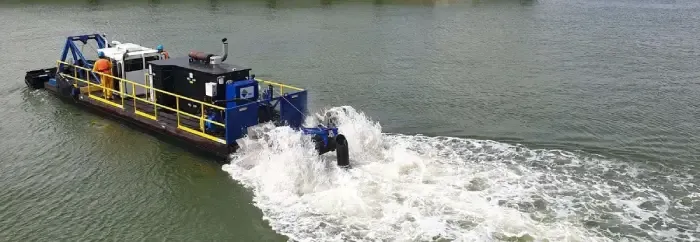
Calculating the cost of a hydraulic dredge operation involves understanding several key factors that can significantly impact expenditures. First, you need to recognize that costs are typically divided into direct and indirect categories. Key components include initial acquisition cost for the equipment, ongoing operating costs such as fuel and labor, maintenance expenses for upkeep, and disposal costs linked to regulatory requirements. A systematic methodology helps in determining total operational costs by adding all these elements together, allowing for the calculation of cost per cubic yard of dredged material. Continuous monitoring and using tracking tools can help manage these finances effectively throughout a project’s lifecycle.
Understanding Dredging Costs
Dredging costs can be quite complex, as they encompass several key components. The primary expenses include equipment, labor, fuel, and maintenance. It's important to differentiate between fixed and variable costs in these operations. Fixed costs might include the initial purchase price of the dredging equipment, while variable costs fluctuate with the operation, such as fuel and maintenance costs. Regulatory compliance can also significantly impact overall costs, as meeting environmental standards often requires additional expenditures.
Seasonal variations can affect dredging budgets too. For instance, certain projects may be more feasible during specific times of the year due to weather conditions or water levels. This makes accurate cost estimation vital before starting a project, as it helps avoid budget overruns. Analyzing past projects provides valuable insights for better forecasting future costs.
Technology plays a crucial role in reducing operational costs. Innovations in dredging equipment can lead to higher efficiency and lower fuel consumption. However, project delays and unforeseen circumstances can lead to additional costs, emphasizing the need for careful planning and risk assessment. Finally, effective communication with stakeholders helps manage expectations and maintain transparency regarding costs, fostering a more collaborative approach to budget management.

Cost Components of Hydraulic Dredging
Understanding the cost components of hydraulic dredging involves breaking down expenses into fixed and recurring categories for better clarity. Fixed costs include the initial acquisition cost of the dredging equipment, which can be significant, alongside insurance costs that cover equipment and project liability. Recurring expenses are typically the operating costs incurred during the dredging operation, such as fuel, labor, and maintenance. Fuel price fluctuations can greatly affect these operating costs, making it essential to track them closely.
Labor costs are another crucial component, as skilled workers are necessary for efficient dredging operations. Their rates can vary based on experience and the project's complexity. Unforeseen repairs can arise if timely maintenance is neglected, leading to costly downtime and replacement parts. The cost of environmental assessments and permits also adds to the overall expenses, as compliance with regulations is mandatory.
Disposal costs depend on the location and type of materials being handled. For instance, disposing of contaminated materials often incurs higher fees compared to clean materials. Likewise, material handling and transportation costs can fluctuate based on distance and logistics, impacting the total project budget. Finally, it's wise to include contingency reserves in budget planning. These reserves account for unexpected costs, ensuring financial flexibility throughout the dredging operation.
Calculation Methodology for Cost
To calculate the cost of a hydraulic dredge operation, it is essential to use a structured methodology. Start by gathering historical data on similar projects to create a reliable baseline for cost predictions. The total operational costs can be calculated using the formula: Total Costs = Initial Acquisition Cost + Operating Costs + Maintenance Costs + Disposal Costs. This provides a comprehensive view of all expenses involved.
Next, allocate costs according to a work breakdown structure. This involves dividing the project into smaller components, allowing for a more precise allocation of expenses based on equipment usage and labor. Standardized units are crucial for budgeting and ensure clarity when comparing costs across different projects.
Technology can simplify cost calculations and tracking. Utilizing specialized software enables real-time monitoring of costs, ensuring that budgets are adhered to and adjustments are made as needed. Regular updates to cost estimates during the project help in managing financial expectations better.
Incorporate risk factors into your calculations to prepare for unforeseen circumstances that could affect costs. For validation, benchmark your estimates against similar projects, ensuring that the costs align with industry standards. Lastly, conduct post-project reviews to assess the accuracy of your cost estimates, learning from any discrepancies to improve future budgeting accuracy.
Factors Influencing Dredging Costs
Several factors play a critical role in shaping the costs associated with hydraulic dredging operations. The type of dredging equipment used is one of the foremost influences, as different machines, like cutter suction or jet suction dredgers, come with varying efficiency ratings and operational costs. Site conditions also matter; for instance, deeper waters or harder sediment types can lead to increased expenses, as they require more specialized equipment and longer operational times. Weather conditions can impact project timelines, as adverse weather may delay operations, leading to higher costs. Regulatory requirements are another significant factor, with compliance often requiring additional investments for permits or environmental assessments.
The complexity of the project scope can also affect costs; a simple navigation dredging project will generally cost less than a more intricate environmental restoration effort. Labor availability and local wage differences can lead to variations in labor costs, which can be substantial if skilled operators are in short supply. Additionally, market trends, particularly in equipment rental prices, can fluctuate, impacting budgeting decisions. Efficient project management plays a crucial role in controlling costs, as streamlined operations can prevent unnecessary expenditures. Lastly, stakeholder expectations can influence project budgeting, as higher demands can lead to increased costs. Technological advancements, such as improved dredging techniques or more efficient fuel use, can help reduce overall operational costs, making projects more financially viable.
- Type of dredging equipment and its efficiency rating.
- Site conditions such as water depth and sediment type.
- Weather conditions and their impact on project timelines.
- Regulatory requirements and their cost implications.
- The complexity of project scope and its effect on costs.
- Availability of local labor and its cost variations.
- Market trends affecting equipment rental prices.
- The role of project management efficiency in controlling costs.
- Impact of stakeholder expectations on project budgeting.
- Technological advancements that can reduce operational costs.
Cost Allocation in Dredging Projects
Cost allocation in dredging projects is essential for managing overall expenses effectively. Establishing a clear framework for cost tracking across different phases of the project helps in identifying where resources are being utilized. By defining specific cost centers based on equipment usage and project milestones, project managers can gain insights into which areas are contributing most to the budget.
Understanding the distinction between fixed and variable costs is crucial in budget allocation. Fixed costs, like equipment purchase, remain constant, while variable costs fluctuate based on operational activities, such as fuel and labor. This knowledge aids in creating a more accurate budget forecast.
Cost-sharing agreements among stakeholders and partners can also play a significant role in managing expenses. By having clear agreements, all parties can understand their financial responsibilities, leading to better collaboration. Transparency in cost reporting is vital to ensure that all involved parties are aware of the financial picture, which can foster trust and accountability.
After project completion, evaluating the accuracy of cost allocation methodologies is important. This evaluation helps identify any discrepancies and refine the strategies for future projects. Utilizing data analytics can enhance the understanding of cost allocation, allowing for adjustments that lead to more effective budgeting.
Unexpected costs, such as equipment failures or regulatory changes, can impact budget reallocation. Developing a cost allocation plan at the project initiation phase can mitigate these effects by preparing for potential variances. Regular audits of cost allocation practices ensure ongoing compliance and help maintain financial integrity throughout the project lifecycle.
Direct vs. Indirect Costs Explained
Understanding the difference between direct and indirect costs is crucial for any hydraulic dredging operation. Direct costs are those that can be easily traced back to the dredging activities, such as labor for the crew operating the dredge, fuel for the equipment, and materials needed for the job. These costs are straightforward and provide a clear picture of the resources directly consumed during the dredging process.
On the other hand, indirect costs are more complex. They include expenses like administrative overhead, insurance, and costs associated with project management. These costs do not link directly to specific dredging activities, making them harder to allocate accurately. For instance, if a project manager oversees multiple dredging sites, the salary of that manager would be an indirect cost, as it benefits the entire operation but cannot be specifically assigned to one project.
Estimating these indirect costs accurately poses a challenge, which can impact overall project profitability. If indirect costs are misclassified or underestimated, it can lead to budget overruns and affect financial forecasting. Therefore, having a robust cost accounting system in place is essential. This system should be capable of tracking both direct and indirect costs to ensure a comprehensive understanding of the total expenditure.
Moreover, managing indirect costs effectively can enhance profitability. Strategies such as streamlining administrative processes or consolidating services can help minimize these expenses. By clearly distinguishing between direct and indirect costs, organizations can achieve more accurate financial reporting and better decision-making.
Cost Management Practices in Dredging
Effective cost management in dredging operations is essential for staying within budget and ensuring project success. Establishing a budget baseline for all phases of the project helps in tracking expenses accurately. Key Performance Indicators (KPIs) can be utilized to monitor cost performance against the established budget, allowing project managers to identify any discrepancies early on. Implementing change management processes is crucial for controlling costs, as unexpected changes are common in dredging projects. Regular financial reporting can help track variances, providing insights into areas that may need adjustments.
Project managers play a vital role in overseeing cost management, ensuring that the team adheres to the budget and that stakeholders are engaged in discussions about costs. By involving stakeholders, everyone can align on expectations and responsibilities. Scenario analysis is also important for preparing for potential cost overruns; by examining different scenarios, teams can develop strategies to mitigate risks. Training staff in cost management techniques and tools enables them to contribute effectively to budgeting efforts.
Regular reviews of procurement strategies can further minimize costs, ensuring that resources are acquired efficiently. Additionally, incorporating lessons learned from previous projects into future cost management practices creates a culture of continuous improvement, enhancing overall project outcomes.
Establishing a Cost-Effective Dredging Operation
To establish a cost-effective dredging operation, it's essential to evaluate different dredging methods for their cost efficiency. For example, using a cutter suction dredger may prove more economical for certain projects compared to a jet suction dredger, depending on the material being excavated and the project requirements. Investing in modern technologies, like automated dredging systems or advanced GPS for navigation, can significantly enhance productivity, leading to lower operating costs over time. Regular training for staff is equally important; well-trained operators can work more efficiently and safely, which reduces delays and costs associated with accidents or errors.
Creating partnerships with local suppliers can also lead to better pricing on materials and services, which helps to manage costs effectively. Additionally, developing a comprehensive maintenance schedule for equipment ensures that it remains in good working order, reducing the potential for costly downtime. Analyzing operational data offers insights into spending, allowing project managers to identify areas where costs can be cut or optimized.
Utilizing real-time monitoring systems aids in resource management, ensuring that fuel and materials are used efficiently. Implementing eco-friendly practices not only promotes sustainability but can also reduce regulatory costs associated with compliance. Regularly reviewing project performance against established cost benchmarks helps in assessing whether the projects are staying within budget. Finally, setting up a feedback loop for continuous improvement allows teams to learn from past experiences, making adjustments that enhance cost practices over time.
Frequently Asked Questions
What factors affect the total cost of a hydraulic dredge operation?
Several factors influence the cost, including the type of hydraulic dredge used, the size of the job site, the complexity of the project, and the equipment needed for loading and transporting the material.
How do you estimate the amount of material a hydraulic dredge can move?
To estimate the volume of material a hydraulic dredge can move, you can consider its dredging depth, width, speed, and working hours. This info helps in calculating the cubic yards or tons of material removed.
What is the role of labor costs in a hydraulic dredging project?
Labor costs play a significant part in a hydraulic dredging project. This includes wages for operators, laborers, and any subcontractors involved in the operation and maintenance of the equipment.
How does the location of the dredging operation impact costs?
The location can significantly impact costs due to transportation expenses, accessibility issues, and local regulations that may require additional permits or environmental assessments.
Why is it important to consider maintenance costs for dredging equipment?
Maintenance costs are important because they ensure the hydraulic dredge runs efficiently and safely. Regular upkeep can prevent breakdowns, which might lead to costly delays and repairs during operation.
Resource URL: