
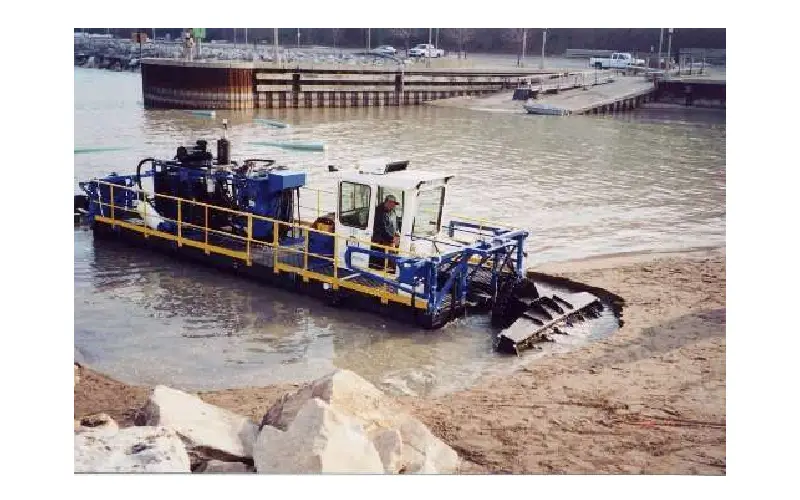
Coastal areas are vital to the environment, supporting biodiversity, providing resources for human communities, and protecting shorelines from erosion. However, over time, many of these areas have been significantly altered by natural and human-induced factors such as storms, rising sea levels, and urban development. Coastal restoration projects are crucial to reversing this damage, and one essential tool in these projects is the sand dredge. Sand dredging has proven to be an effective method for replenishing eroded beaches, enhancing coastal ecosystems, and protecting coastal infrastructure. In this article, we will explore how sand dredging supports coastal restoration efforts, its importance, and the techniques involved.
Understanding Sand Dredging
Sand dredging is the process of removing sand from the seabed or riverbeds to either maintain navigable waterways or to transport the material to other locations. Specialized equipment known as sand dredger or dredges are used for this purpose. These machines operate by scooping or suctioning the sand from the sea floor and depositing it elsewhere. In coastal restoration projects, sand dredging is primarily used to replenish eroded beaches, restore habitat areas, and prevent further coastal damage from storms and flooding.
Dredging typically takes place in areas where coastal erosion has significantly reduced beach width or altered natural habitats. It can also be employed to restore specific coastal zones, such as wetlands or mangrove forests, which are vital for supporting local wildlife and mitigating the effects of climate change.

The Role Of Sand Dredging In Coastal Restoration
1. Replenishing Eroded Beaches
One of the most immediate impacts of coastal erosion is the loss of sand from beaches, which results in the shrinking of shoreline areas. This erosion often occurs due to factors like strong waves, rising sea levels, or human activity. When the natural sand replenishment process is inadequate or disrupted, dredging becomes a necessary step in replenishing the lost sand.
By using sand dredging equipment, dredgers can extract sand from offshore locations and transport it to eroded beaches. The sand is then distributed along the coastline to restore the beach’s width and elevation. This process can help to safeguard coastal infrastructure, such as roads, buildings, and resorts, by preventing further shoreline retreat.
2. Enhancing Ecosystem Restoration
Coastal ecosystems, such as wetlands, mangroves, and coral reefs, are critical for the health of both local wildlife and human populations. They provide habitats for a variety of species, protect the coast from storms and flooding, and play a crucial role in carbon sequestration. However, these ecosystems can be threatened by erosion, pollution, and habitat destruction.
Sand dredging contributes to ecosystem restoration by providing the necessary material to rebuild and restore habitats. For instance, in areas where wetlands have been eroded, sand can be used to elevate the land and support the re-establishment of plant life and wildlife. In mangrove restoration projects, dredged sand can help re-establish the sediment layers necessary for the healthy growth of these vital trees.
3. Protection from Storm Surges and Rising Sea Levels
Coastal areas are particularly vulnerable to the effects of storm surges, which occur during extreme weather events like hurricanes and tropical storms. These surges can cause significant damage to coastlines, erode beaches, and flood coastal areas. Rising sea levels, a consequence of climate change, further exacerbate the risks.
Sand dredging plays a key role in providing natural barriers to storm surges. By replenishing sand on beaches, the shoreline becomes more resilient to the force of storm waves. The restored beach acts as a buffer zone, absorbing some of the wave energy and reducing the impact on coastal communities and infrastructure. Additionally, raising the elevation of coastal areas using dredged sand can help protect against future flooding due to rising sea levels.
4. Preserving Coastal Infrastructure
Many cities and towns are built along coastlines, relying on beaches and shorelines for tourism, transportation, and local commerce. When beaches erode, it can result in the loss of land that is vital for these economic and cultural activities. Sand dredging helps to preserve these areas by restoring beaches to their original state or better, protecting infrastructure like resorts, roads, piers, and harbors.
In particular, coastal resorts and tourist destinations often face significant challenges due to beach erosion. Sand dredging provides a way to maintain the aesthetic and functional value of these areas by ensuring that they remain attractive and accessible to visitors. Furthermore, it can also ensure that vital transportation routes, such as ports and harbors, stay functional and safe from coastal erosion.
The Sand Dredging Process For Coastal Restoration
The process of sand dredging for coastal restoration involves several key steps to ensure that the right material is extracted and placed in the correct location. Here is a brief overview of how sand dredging is typically carried out:
1. Site Selection and Surveying
Before dredging begins, a thorough site survey is conducted to assess the level of coastal erosion, the type of sand required for restoration, and the most suitable dredging locations. Environmental impact assessments (EIAs) are also conducted to ensure that the dredging process will not negatively affect the surrounding environment or marine life. Factors such as water depth, sediment composition, and proximity to marine ecosystems are taken into consideration.
2. Dredging Operation
Once the site is assessed, the dredging equipment is mobilized. Dredgers come in various forms, such as cutter suction dredgers, hopper dredgers, and backhoe dredgers, each suited for different conditions. The dredging operation extracts sand from the seabed, either through suction or mechanical digging. The sand is then transported to shore, where it is deposited at strategic locations along the beach or other coastal areas requiring restoration.
3. Sand Placement and Distribution
After extraction, the dredged sand is spread and shaped to rebuild eroded beaches or elevate the land to desired levels. In some cases, specialized equipment is used to spread the sand evenly and prevent any uneven accumulation. The sand must be carefully placed to match the natural contours of the coastline and avoid disrupting existing ecosystems.
4. Post-Dredging Monitoring and Maintenance
Once the sand is placed, regular monitoring and maintenance are necessary to ensure that the beach remains intact and continues to provide the desired benefits. Over time, erosion can cause the sand to shift, requiring additional replenishment. Monitoring systems track changes in beach profile, sand volume, and the health of local ecosystems to inform future dredging efforts.
Benefits Of Sand Dredging For Coastal Restoration
1. Cost-Effective Solution for Coastal Erosion
Sand dredging is often a more cost-effective option than other forms of coastal restoration. While it requires an initial investment in equipment and operations, it is a long-term solution that can significantly reduce the need for frequent repairs to eroded coastlines. By restoring beaches and preventing further erosion, dredging helps to save money in the long run.
2. Supporting Sustainable Coastal Management
Sand dredging is part of a broader approach to sustainable coastal management. It allows communities to protect valuable coastal areas without resorting to harmful practices like seawalls or concrete barriers, which can disrupt natural coastal processes. Dredging, when done responsibly, helps to balance human development with environmental preservation.
Conclusion
Sand dredging plays a critical role in supporting coastal restoration projects by replenishing eroded beaches, protecting coastal ecosystems, and providing vital storm protection. This process is essential for safeguarding coastal infrastructure, enhancing biodiversity, and mitigating the effects of climate change. With the right approach, sand dredging can ensure the long-term health and stability of our coastlines, benefiting both local communities and the environment. By using sand dredging as a tool for coastal restoration, we can help ensure that our beaches remain resilient to the forces of nature, supporting both the people and wildlife that rely on them.