What is a portable column lift and is it right for your workshop?
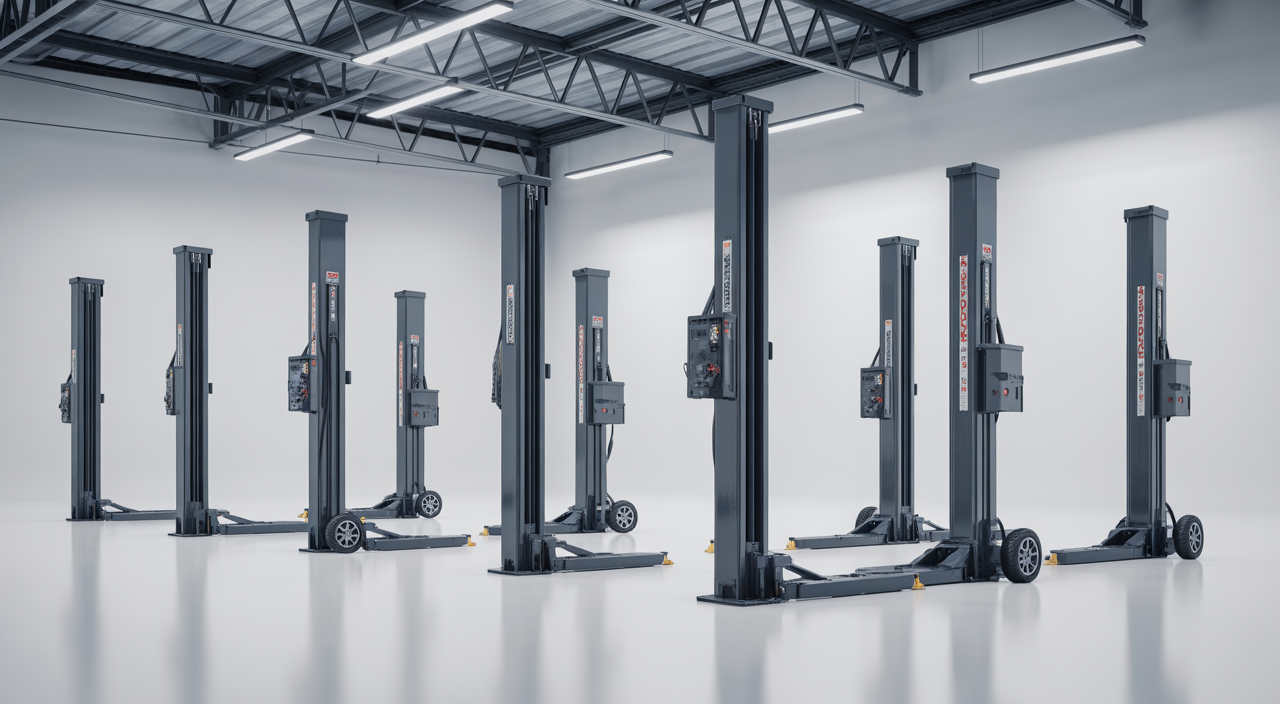
A portable column lift is a set of vertical lifting columns that can be moved around your workshop to raise vehicles safely. Each column has its own wheels, controls, and lifting mechanism. You can use four, six, or even eight columns together to handle different vehicle sizes, from small cars to heavy commercial trucks.
For shop owners, fleet managers, and serious mechanics, this system gives flexibility that fixed lifts cannot match. You can clear the floor when you need space, reconfigure bays in minutes, and even create a temporary inspection lane. For Indian investors, this flexibility can be a smart way to grow capacity without committing to heavy civil work.
In this guide, you will learn what to look for, how to compare options, and how to calculate real returns on your investment. You will also find simple safety and maintenance tips that protect both your people and your equipment.
What is a portable column lift?
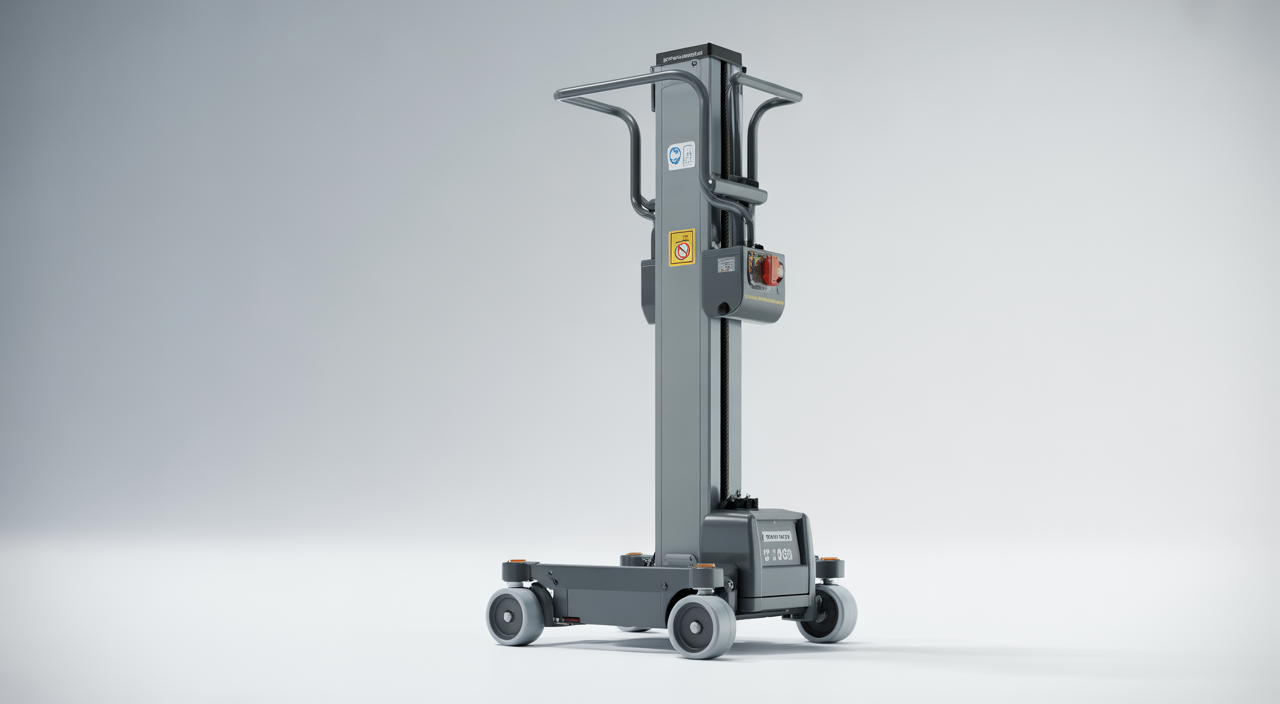
Portable or mobile column lifts are free-standing columns that work together as a multi-point lift system. Each column clamps under the vehicle’s tyres or axles and lifts in sync with the others. Because they roll on wheels, you can move them to any flat, strong floor area.
Think of them as a modular, removable column lift solution. You are not locked into one permanent bay layout, and you avoid major foundation work. This is very helpful in rented workshops, shared industrial spaces, or expanding fleet depots.
Core components and how they work
Most mobile column lift systems include:
- Lifting carriage: The moving part that raises the vehicle contact points.
- Hydraulic or electro-mechanical drive: Provides the lifting force.
- Control unit: Wired or wireless controls to keep all columns in sync.
- Safety locks: Mechanical locks that engage at set heights for backup safety.
- Wheels and steering handles: Let your team move each column easily.
The columns communicate with each other so they lift at the same speed. This keeps the vehicle level and reduces stress on the chassis and suspension.
Types of portable column lifts
When you compare models, you will usually see three broad types based on power system:
- Battery-powered mobile column lift: Uses on-board batteries; perfect where power points are limited or frequent repositioning is needed.
- Electric-over-hydraulic lifts: Plug into mains power. These are common in high-throughput workshops with consistent power supply.
- Pneumatic-assisted systems: Use compressed air along with mechanical or hydraulic parts, found in some heavy industrial setups.
For most automotive workshops and fleet garages, battery-powered or electric-over-hydraulic solutions offer the best blend of convenience and performance.
Top benefits of portable column lifts
1. Increased shop flexibility
A mobile column lift system lets you change your layout in minutes. Need space for a bus today and multiple cars tomorrow? Just roll the columns to suit. This is ideal for growing businesses and seasonal demand changes.
2. Reduced downtime and fast setup
There is usually no major foundation work, so you avoid weeks of construction. In many cases, you can unload, position, and start using the lift system in a single day. This fast start can make a big difference in cash flow for new workshops.
3. Better use of floor space
Because you can move the columns away when not in use, you keep your floor open. You can run more jobs in the same area, which directly improves revenue per square foot. This is very important in cities where industrial rent is high.
Key features to compare before you buy
1. Lift capacity and reach
Always start with the heaviest vehicle you plan to service. Check:
- Capacity per column
- Total capacity of the complete set
- Maximum lifting height and minimum pick-up height
For mixed fleets, choose a system that comfortably covers your largest vehicles and still handles small cars safely.
2. Power options and battery life
If you choose battery-powered columns, check expected cycles per charge and full recharge time. In busy workshops, you may want spare batteries or a charging schedule that matches shift changes.
For plug-in units, confirm voltage compatibility, cable management, and power quality in your building.
3. Mobility and setup time
Look for smooth-rolling wheels, ergonomic handles, and simple control panels. Your technicians should be able to position and sync a set of columns in minutes, not half an hour.
4. Safety features and certifications
Check for mechanical locks, automatic stop functions, and overload protection. Also review compliance with relevant safety standards and local regulations. A strong safety profile not only protects staff but also builds trust with clients and inspectors.
Safety and compliance checklist
Safe operation of any automotive column hoist starts with a clear process. Create a simple checklist that covers:
- Daily visual inspection of columns, cables, and safety locks
- Verification of floor strength and level before positioning
- Correct wheel or axle engagement and lock-in
- Use of safety stands or jacks where required
- Clear communication between operators during lift and lower
Back this up with regular maintenance, including lubrication, hydraulic oil checks, and periodic calibration. You can find helpful practical tips in resources like maintenance best practices for industrial lifting equipment.
Simple ROI calculator approach for Indian investors
You do not need a complex tool to estimate payback. Use this simple approach:
- Estimate extra vehicles you can service per day with the new lift.
- Multiply by average profit per job.
- Multiply by working days per month.
- Compare this added profit with monthly EMI or lease cost.
If the extra profit comfortably covers the cost with a margin, the investment is sound. In many busy workshops, a well-used portable car hoist can pay for itself in 18 to 24 months.
Sample case: Upgrading a mixed-fleet workshop
Consider a medium-sized fleet garage handling light commercial vehicles and buses. The owner adds a mobile column lift system with six columns, each with enough capacity for the heaviest bus.
Results over the first year can include:
- More throughput by opening a temporary extra bay at peak times
- Faster underbody inspections that used to require pits or manual jacking
- Higher technician morale thanks to better ergonomics and cleaner work
This type of simple upgrade often leads to more contract work from fleet clients who value speed and professional setups.
Financing, rental, or purchase?
For many Indian workshops, the main question is not “Should we buy?” but “How should we pay?” You can consider three paths:
- Outright purchase: Higher upfront cost, but you own the asset and claim depreciation benefits.
- Leasing or EMI: Spreads cost over time, easier on cash flow, good when you are scaling steadily.
- Short-term rental: Ideal to handle seasonal peaks or test if a mobile column lift system suits your work.
Compare the total cost over 3 to 5 years, not just the monthly payment. Also think about resale value and how well the equipment will hold value in your local market.
How to choose the right portable column lift: step-by-step
Use this quick buyer’s checklist:
- List all vehicle types, weights, and wheelbases you service now and plan to add soon.
- Measure your floor area, ceiling height, and power availability.
- Decide how many columns you need (4, 6, or 8) based on your heaviest and longest vehicles.
- Set a clear budget range, including optional accessories and training.
- Shortlist 2 or 3 suppliers and ask for live demo, safety documentation, and service support details.
Also consider long-term care. Reliable after-sales service and access to spare parts keep your lift working for many years. For more insights on protecting such investments, you can read about best practices to maintain and care for column lifts.
Frequently Asked Questions
1. How often does a portable column lift need maintenance?
Most manufacturers recommend basic checks every day and a more detailed inspection every few months. Plan at least one full preventive maintenance service each year, including lubrication, safety lock testing, and calibration checks. If your workshop runs multiple shifts or handles very heavy vehicles, schedule more frequent inspections.
2. Can I use a portable column lift outdoors?
Some models are suitable for outdoor use on solid, level concrete, but you must confirm this with the supplier. Moisture, dust, and temperature extremes can affect electronics and hydraulics. If you plan regular outdoor use, choose models designed for such environments and always store the equipment in a dry, protected area when not in use.
3. How long does it take to set up a mobile column lift for one vehicle?
After your team is trained, positioning four to six columns, engaging the wheels or axles, and synchronizing the controls usually takes only a few minutes. First-time setup may be slower, but with practice, technicians quickly develop a smooth routine that keeps vehicles moving through the workshop efficiently.

Victor Hearns is an American multi-genre writer. He is best known as the author of two series of some popular books. Victor was born in Jacksonville, FL but grew up in California with her grandmother. Her education includes degrees in English and Biology from Stanford University. In her free time, he helps people around the globe to live healthier & joyful life.