

If your property, municipality, or organization is adjacent to a lake, you may at some point face the need for a lake dredge project. Whether the goal is to restore depth, improve water quality, prevent flooding, or enhance recreational use, dredging is a complex and essential environmental service. Understanding what happens during a lake dredging project can help you prepare, manage expectations, and make informed decisions throughout the process.
What Is Lake Dredging?
A lake dredge is the process of removing accumulated sediment, organic matter, and debris from the bottom of a lake. Over time, lakes naturally collect materials such as silt, sand, decaying vegetation, and pollutants. This accumulation reduces water depth, alters aquatic ecosystems, and may interfere with navigation, drainage, or recreational activities.
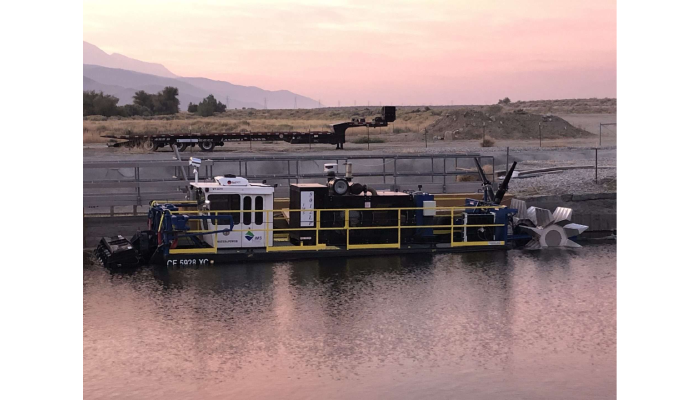
Dredging restores the lake’s original depth and function by physically extracting these unwanted materials using specialized equipment like suction dredgers, clamshell dredgers, or mechanical excavators.
Reasons for Undertaking a Lake Dredge
There are several key motivations behind a lake dredging project:
1. Depth Restoration
Sediment buildup can decrease water depth, which affects boating, swimming, and overall water circulation. A dredging project helps return the lake to its optimal depth.
2. Water Quality Improvement
Organic matter decomposing in shallow waters can increase nutrient loads (especially nitrogen and phosphorus), leading to algal blooms and oxygen depletion. Dredging removes these materials and can improve water clarity and aquatic health.
3. Flood Mitigation
When lakes overflow due to excess sediment displacing water volume, nearby areas may experience flooding. A lake dredge creates more storage capacity for stormwater.
4. Habitat Restoration
Fish and aquatic plants rely on a certain balance of light, oxygen, and water depth. Dredging helps re-establish more favorable habitats by removing harmful sediment layers.
5. Navigation and Recreation
Shallow, muddy areas can interfere with boating, kayaking, and swimming. Dredging makes the lake safer and more accessible for these activities.
Planning and Permitting
A lake dredge is not as simple as bringing in a machine and digging. It requires thorough planning, assessment, and often, government approval.
1. Site Assessment
This involves bathymetric surveys (underwater mapping), sediment sampling, and water quality tests. The goal is to understand the current lakebed conditions and determine how much material needs removal.
2. Environmental Impact Studies
Depending on the jurisdiction, an environmental impact study may be required to evaluate how dredging could affect the surrounding ecosystem, wildlife, and water flow.
3. Permits and Regulations
Lake dredging projects often require permits from local, state, or federal environmental agencies. This ensures compliance with waterway protection laws and sediment disposal regulations.
Some common permits include:
- Clean Water Act Section 404 (U.S. Army Corps of Engineers)
- National Pollutant Discharge Elimination System (NPDES)
- Local water conservation or lake management permits
It’s important to work with an experienced dredging contractor familiar with the permitting process.
Dredging Methods
There are several techniques used in lake dredge projects, and the choice depends on factors such as sediment type, lake size, and project goals.
1. Hydraulic Dredging
This method uses a cutterhead or suction dredger to vacuum up sediment and pump it through pipelines to a designated dewatering or disposal area. It’s efficient for fine materials and large-scale projects.
Pros:
- High-volume removal
- Minimal disturbance to surrounding land
- Continuous operation
Cons:
- Requires significant water management
- Higher initial setup costs
2. Mechanical Dredging
Mechanical dredges (like backhoes or clamshell buckets) are used to scoop sediment from the lakebed and transfer it to barges or trucks for disposal.
Pros:
- Better suited for compacted or coarse material
- More precise control in smaller areas
Cons:
- Slower process
- May require access roads or staging areas
3. Dry Dredging (Drawdown)
If the lake can be temporarily drained or lowered, excavation can be done from the exposed lakebed.
Pros:
- No need for floating equipment
- Easy to manage sediment
Cons:
- Only feasible for shallow or man-made lakes
- Higher environmental impact
Dewatering and Sediment Disposal
After sediment is removed, it must be dewatered and disposed of properly.
1. Dewatering Techniques
Common dewatering methods include:
- Geotextile tubes (sediment pumped into large filter bags)
- Settling ponds
- Mechanical presses or centrifuges
Dewatering is essential to reduce weight and volume before transportation or reuse.
2. Disposal Options
Depending on the sediment content, it may be:
- Landfilled
- Used as topsoil or landfill cover
- Reused in landscaping or agriculture (if non-contaminated)
Contaminated sediment requires special handling and disposal under hazardous waste regulations.
Project Timeline and Disruptions
A lake dredge can take anywhere from several weeks to several months depending on the size and complexity of the project. The typical timeline includes:
- Planning and permitting (3–12 months)
- Mobilization of equipment (1–2 weeks)
- Dredging operations (1–6 months)
- Dewatering and disposal (overlapping or post-dredge)
- Site restoration (1–3 weeks)
During this period, you can expect:
- Temporary water access restrictions
- Increased noise from machinery
- Possible odors from sediment
- Limited recreational use of the lake
Good communication with stakeholders and local residents is key to managing expectations and minimizing inconvenience.
Conclusion
A lake dredge is a significant but highly rewarding investment in the health, function, and enjoyment of your water body. While it involves careful planning, regulatory compliance, and temporary disruption, the long-term benefits—improved water quality, better flood control, restored habitats, and enhanced recreational use—make it worthwhile for communities, property owners, and environmental stewards alike.
If you’re considering a lake dredging project, start with a professional assessment and engage with qualified contractors who can guide you through the process from start to finish.

Victor Hearns is an American multi-genre writer. He is best known as the author of two series of some popular books. Victor was born in Jacksonville, FL but grew up in California with her grandmother. Her education includes degrees in English and Biology from Stanford University. In her free time, he helps people around the globe to live healthier & joyful life.