Fish habitat restoration is essential for maintaining biodiversity, improving water quality, and ensuring sustainable fisheries. To restore degraded aquatic habitats, various tools and techniques are employed, and one of the most effective machines used in this process is the self-propelled dredge. This versatile and powerful equipment plays a crucial role in improving the physical and environmental conditions of water bodies, thereby benefiting fish populations and their habitats.
In this article, we’ll explore how self-propelled dredges contribute to fish habitat restoration, covering their role in sediment removal, waterway management, ecosystem balance, and long-term sustainability.
What Is A Self-Propelled Dredge?
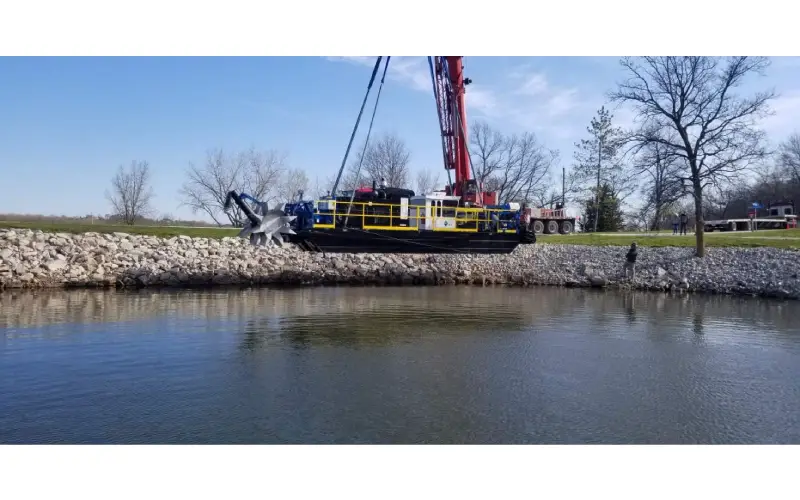
A self-propelled dredge is a type of dredging equipment designed to dig, move, and remove sediment, debris, and other material from the bottom of water bodies such as rivers, lakes, ponds, and estuaries. Unlike traditional dredges, self-propelled dredges can move independently, which allows them to navigate waterways without relying on external tugboats or other forms of assistance. These dredges are equipped with a set of specialized tools such as dredge pumps, cutting heads, and hydraulic arms to remove material efficiently.
Self-propelled dredges are often used for maintaining and restoring waterways by deepening channels, creating better flow patterns, and enhancing habitat conditions. In fish habitat restoration, these machines help address environmental issues such as siltation, pollution, and erosion, all of which can negatively impact aquatic ecosystems.
The Role Of Sediment Removal In Fish Habitat Restoration
One of the primary ways a self-propelled dredge contributes to fish habitat restoration is through the removal of excess sediment from water bodies. Over time, sediments from soil erosion, agricultural runoff, urban development, and other sources accumulate at the bottom of water bodies. This accumulation, known as siltation, can significantly degrade aquatic habitats by:
- Reducing water depth, which limits fish access to essential habitats.
- Increasing turbidity, which can reduce fish visibility and hinder their ability to find food.
- Smothering fish spawning grounds, killing fish eggs and larvae.
- Disrupting the natural flow of water, which can affect oxygen levels and water quality.
Self-propelled dredges address these issues by efficiently removing accumulated sediment from the bottom of the waterway. By doing so, they restore critical habitats, including shallow areas that fish use for spawning, nursery grounds, and feeding areas. Additionally, dredging restores proper water depth and flow, which promotes oxygenation and overall water quality.
Enhancing Water Flow And Reducing Erosion
Self-propelled dredges contribute to habitat restoration by improving the flow dynamics of waterways. Stagnant or slow-moving water caused by sediment buildup can hinder the natural flow, affecting the entire aquatic ecosystem. These changes in flow can have several adverse effects on fish habitats, such as:
- Oxygen depletion in stagnant waters, which can be detrimental to fish and other aquatic organisms.
- The destruction of vegetative cover, which serves as shelter for fish.
- Increased water temperatures, which affect fish metabolism and reproduction.
By removing excess sediments and redistributing materials, self-propelled dredges help restore healthy flow patterns within waterways. Improved water flow reduces stagnation and ensures the movement of oxygen-rich water throughout the system. This directly benefits fish by ensuring they have access to oxygenated waters and suitable habitats for feeding and breeding.
Additionally, dredging can help stabilize the banks of water bodies, reducing the likelihood of erosion. Bank erosion often leads to the loss of habitat for fish and other aquatic creatures. By using a self-propelled dredge to remove loose sediment, stabilize the shoreline, and restore the bottom of the waterway, the dredge helps prevent further erosion, maintaining the integrity of the habitat for fish.
Creating Or Restoring Aquatic Habitat Features
Self-propelled dredges are not just used to remove unwanted sediment; they are also instrumental in creating or restoring specific aquatic habitat features. These features are essential for maintaining fish populations and overall ecosystem health. Some of the ways dredges contribute to habitat restoration include:
1. Creating Deeper Pools and Channels
Many fish species require deeper areas in the water body to provide shelter, temperature regulation, and access to food. Over time, sediment buildup can fill in these deeper pools, making them shallower and less suitable for fish. Self-propelled dredges can efficiently remove the sediment and restore these deep pools, ensuring that fish have access to crucial refuge areas during periods of extreme weather or when they need to hide from predators.
2. Reconstructing Substrate for Spawning
Certain fish species, such as salmon, rely on clean, rocky substrates for spawning. However, sedimentation and pollution can smother these areas, making it difficult for fish to lay their eggs. Self-propelled dredges can be used to remove the fine sediments that cover these critical spawning grounds and replace them with cleaner, more suitable materials. This ensures that fish have a healthy and safe environment for reproduction.
3. Restoring Natural Habitat Diversity
Fish require a variety of habitats, including areas with submerged vegetation, mudflats, and rocky structures. Self-propelled dredges can be used to restore the diversity of habitats in a water body. For example, they can help clear out excessive vegetation that may choke out certain fish habitats while creating new areas of submerged rocks or gravels where fish can shelter and feed. By restoring diverse habitats, dredges promote a balanced ecosystem where fish can thrive at different life stages.
Supporting Biodiversity And Ecosystem Balance
Restoring fish habitats is not just about improving the conditions for fish. The health of aquatic ecosystems depends on the interconnectedness of various species, including plants, invertebrates, and fish. By removing excess sediment and improving the flow of water, self-propelled dredges create conditions that support the entire aquatic food chain.
Improved water clarity, oxygenation, and substrate quality create an environment that supports a healthy population of aquatic plants and invertebrates, which serve as food for fish. Additionally, the removal of pollutants and the restoration of natural habitat features promote biodiversity by encouraging a wide range of species to thrive in the ecosystem.
Long-Term Sustainability Of Fish Habitats
The ultimate goal of habitat restoration is to create conditions where fish populations can thrive without the need for constant intervention. Self-propelled dredges contribute to the long-term sustainability of fish habitats by providing a means of addressing both immediate and long-term environmental concerns.
Through regular dredging activities, self-propelled dredges help maintain waterway depth, flow, and substrate quality over time, ensuring that fish habitats remain healthy. By preventing the reaccumulation of excess sediment and supporting the ongoing restoration of aquatic features, dredges contribute to the long-term health of fish populations and aquatic ecosystems.
Conclusion
In conclusion, self-propelled dredges play a vital role in the restoration and maintenance of fish habitats. By removing excess sediment, improving water flow, stabilizing shorelines, and restoring key habitat features, these machines help create an environment where fish populations can thrive. Whether it’s through creating deeper pools for shelter, restoring spawning grounds, or supporting the overall biodiversity of the ecosystem, self-propelled dredges are essential tools for fish habitat restoration. By ensuring the long-term sustainability of these habitats, dredges contribute to a healthier, more resilient aquatic ecosystem for future generations of fish and wildlife.
Resource Link:
https://www.imsdredge.com/ims-model-7012-hp-versi-dredge/
https://en.wikipedia.org/wiki/Dredging

Hello, I’m Charity Morris, an adept writer based in the bustling city of Seattle, United States. With a diverse skill set encompassing business, technology, and more, I navigate the intricacies of innovation with finesse. Join me on a journey through insightful narratives that demystify complex subjects and make the world of business and tech accessible to all.