What should you look for when buying outdoor pickleballs?
If you play on concrete or asphalt courts, the ball you choose matters more than you think. The right outdoor ball can mean fewer cracks, a cleaner bounce, and longer rallies. The wrong one can wear out fast and feel inconsistent from shot to shot.
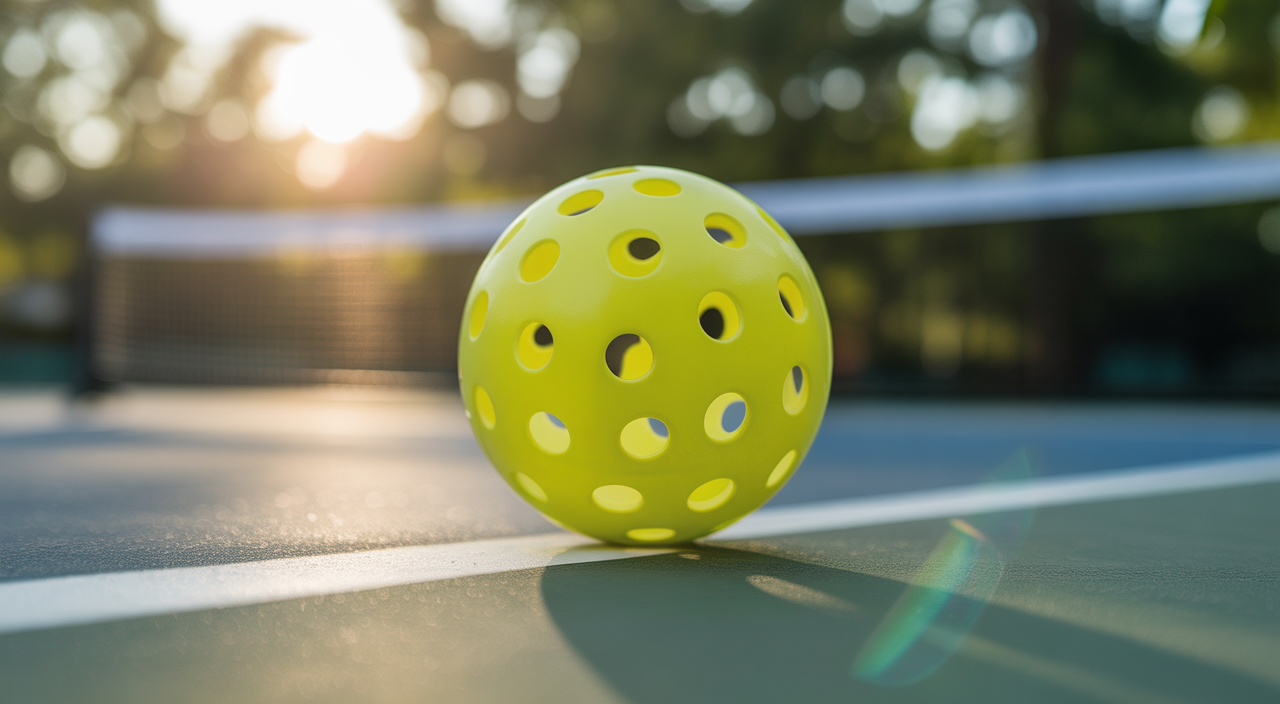
Most players today prefer 40‑hole balls for outdoor play because they handle wind better and stay stable in the air. If you are ready to upgrade, it is worth checking modern options like outdoor pickleballs that are built specifically for rough courts and hot sun.
This guide walks you through what affects performance, how to judge value, and which features actually help you play better, whether you are at a local academy, a housing-society court, or a club tournament.
Why outdoor pickleballs use 40 holes
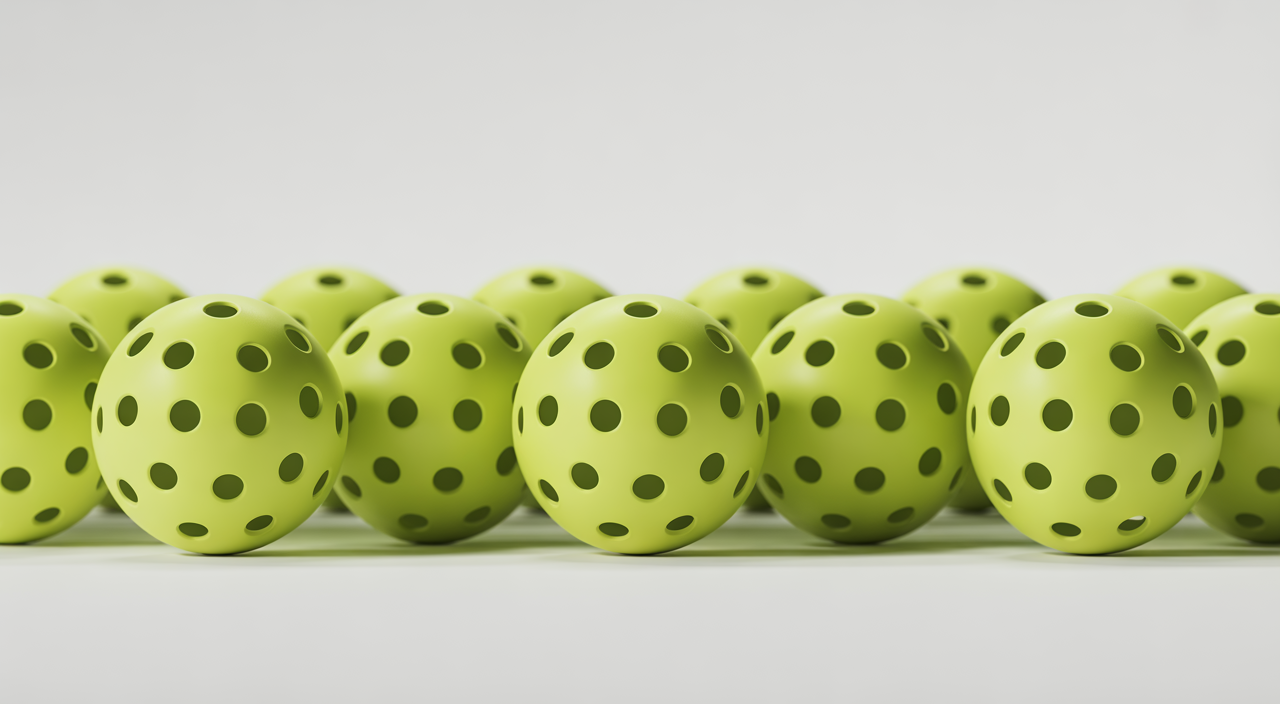
Outdoor balls usually have 40 smaller holes, while many indoor balls have around 26 larger holes. This is not just a design choice. It has a direct impact on how the ball flies.
The extra holes help air pass through the ball more evenly. This reduces “drift,” which is when the ball suddenly moves off line in the wind. With a good 40‑hole pickleball, the ball path feels more predictable, which is important when you are hitting deep drives or sharp cross‑court shots.
The smaller, more numerous holes also help the ball cut through thicker air during humid evenings or monsoon seasons. For Indian investors in their local clubs, this means you get a similar feel in Delhi winter air and in coastal humidity near Chennai or Mumbai.
Top factors to consider when buying outdoor pickleballs
1. Durability and crack resistance
Outdoor courts are hard on balls. Every hit on concrete or stone tiles creates stress on the plastic. Over time, low‑quality balls develop hairline cracks, lose shape, or become “soft.”
Look for these durability signals:
- Single-piece construction: Balls made from a single molded piece tend to resist splitting better than two-piece welded designs.
- Hard but not brittle plastic: A slightly firm feel is good for speed, but the shell should not feel like it will shatter in cooler weather.
- Consistent weight: Quality brands keep a tight range on ball weight, which also helps prevent weak spots in the shell.
For serious players, it can help to track how many matches one ball survives. If a ball lasts, for example, 10 full games compared to 6 games for a cheaper option, it might offer better value even at a higher upfront price.
2. Bounce consistency across surfaces
Outdoor courts in India can vary a lot. You may have polished concrete in a gated community, rough cement at a municipal ground, or even tiled courts on a terrace. A good outdoor ball should bounce in a similar way on all these surfaces.
To test bounce at home:
- Drop the ball from shoulder height onto your normal court.
- Watch how high it comes up relative to your waist or chest.
- Repeat this test 8–10 times and see if the bounce height is steady.
If you see big differences from drop to drop, or if the ball starts wobbling and changing direction after one or two bounces, it may not have strong structural balance. Consistent bounce makes it easier to judge dinks, drives, and third‑shot drops.
3. Visibility and color options
Sunlight in Indian cities can be very bright, and many evening courts have patchy lighting. Color plays a big role in how early you can pick up the ball in these conditions.
High‑visibility balls usually come in bright, solid shades such as neon yellow or bold green. These show up clearly against grey concrete, green acrylic courts, and even dusty surroundings.
When you test colors, think about:
- Time of day: Choose a shade that stands out in both morning glare and late-evening floodlights.
- Background: If your court has green walls or trees nearby, a different bold color can help the ball stand out.
- Vision comfort: Some players find softer, non‑fluorescent colors easier on the eyes in long matches.
4. Cost-per-play: getting real value
Price tags alone do not tell you which pickleball is a smart buy. Instead, think in terms of “cost-per-play.” This is especially useful if you are buying for a club, academy, or housing society where many players share equipment.
Here is a simple way to look at it:
- Ball A costs ₹200 and typically lasts 8 full games.
- Ball B costs ₹150 and typically lasts 4 full games.
On a per‑game basis:
- Ball A: ₹200 ÷ 8 = ₹25 per game.
- Ball B: ₹150 ÷ 4 = ₹37.50 per game.
Even though Ball A is more expensive, it is cheaper per game and gives more stable performance over time. For investors supporting club-level programs, this type of calculation helps plan budgets more accurately.
Best outdoor pickleballs for different player types
While specific product names vary, you can group outdoor balls into a few useful categories based on your needs and budget.
1. Budget-friendly practice balls
These are ideal for coaching academies, school programs, or housing societies where many beginners are learning. Look for bulk packs with a good reputation for durability. Even if the flight is slightly slower, they are perfect for drills and casual games.
2. Premium, tournament-grade balls
Advanced players and league organizers often want balls that match official standards closely. These balls focus on:
- Precise weight and size
- Reliable bounce height
- Balanced flight with minimal wind drift
They cost more per piece but shine in competitive play, where every point matters.
3. High-visibility balls for low-light play
For early morning or late‑night matches, visibility is crucial. Bright neon shades can make a real difference in reaction time. If you often play near sunset or under modest floodlights, it may be smart to keep a separate set of high‑visibility balls just for those sessions.
How to test your pickleballs at home
If you want a simple, home‑grown “performance test” before buying in bulk, try this three‑step check:
- Spin test: Serve with slice or topspin and watch how the ball reacts. A stable outdoor ball should not wobble much in the air.
- Rally test: Play one full game using a fresh ball, then a second game. See if the feel off the paddle changes noticeably.
- Surface test: If you have access to more than one court surface, play a short rally on each and see whether the bounce remains even.
Doing this with two or three brands side by side can quickly show you which option is best for your local conditions and your style of play.
Extra tips for smart buyers and facility owners
If you manage a small sports business or invest in club facilities, thinking long term will help you save money while keeping players happy. For example, planning regular equipment checks and upgrades can prevent last‑minute rush purchases. You can learn more about long‑term gear decisions in guides like practical maintenance planning for shared facilities.
Similarly, if you are upgrading a rooftop or backyard sports area, combining the right court surface with quality outdoor balls and accessories can transform the experience. Resources such as step‑by‑step outdoor space maintenance guides can help you think about durability and upkeep in a structured way.
FAQs about outdoor pickleballs
Q1: Can I use indoor balls for outdoor play?
Indoor balls usually have fewer, larger holes and a softer shell. You can hit with them outside for casual fun, but they tend to react more to wind and may wear out quickly on concrete. For serious games, a dedicated outdoor ball with 40 smaller holes is a better, more stable choice.
Q2: How often should I replace outdoor pickleballs?
Replacement depends on how often you play and how rough your court is. Recreational players might use one ball for several weeks. In busy clubs with daily games, balls may need replacing after a few sessions. As a rule of thumb, if you see cracks, feel a clear change in bounce, or notice the ball going out of round, it is time for a new one.
Q3: Do more expensive outdoor balls always perform better?
Not always, but higher prices often reflect tighter quality control and better materials. The best way to judge is by cost‑per‑play and on‑court feel. If a slightly costlier ball gives you longer life, better flight, and happier players, it may be the smarter financial decision in the long run.