
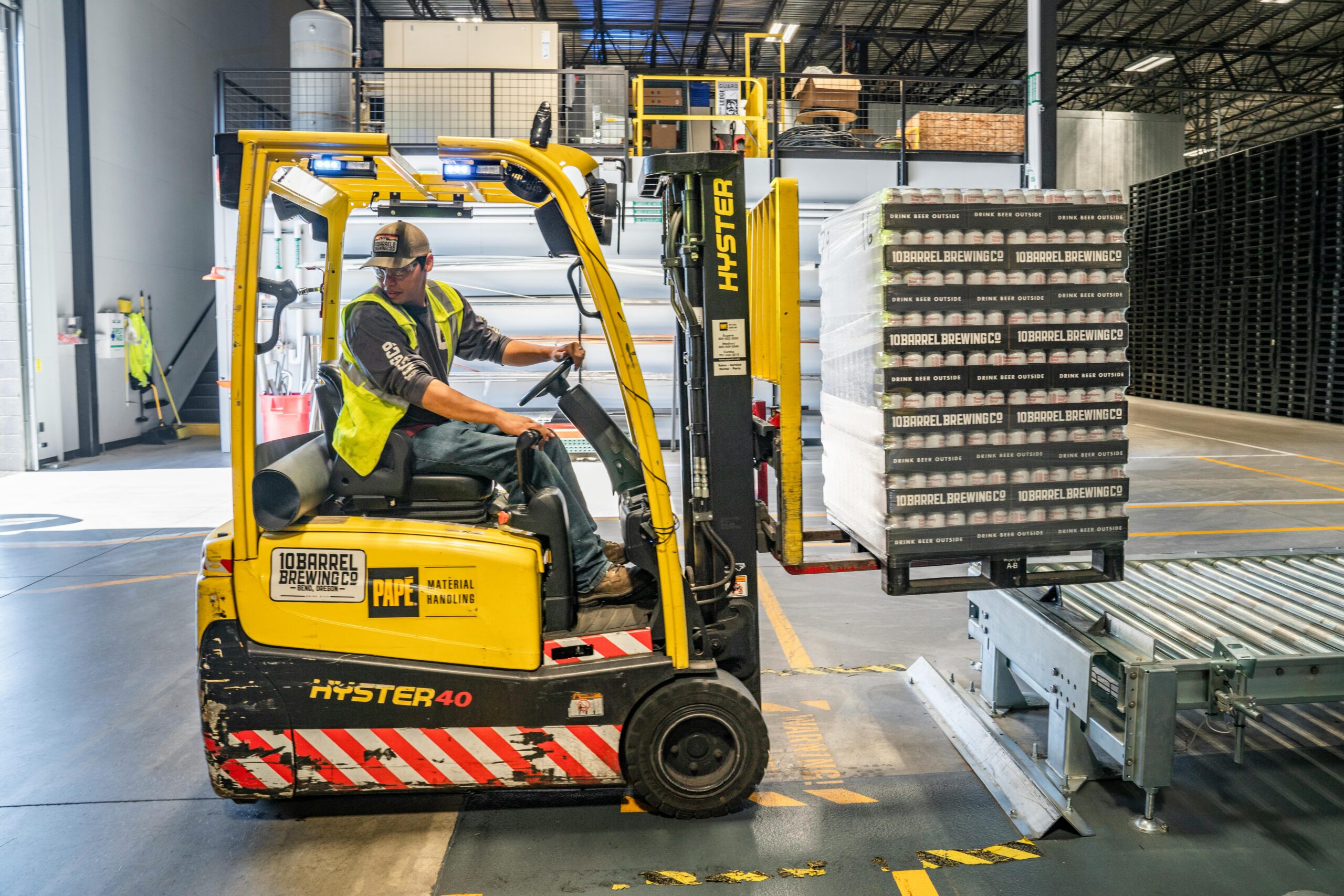
Electric pallet jacks have become an essential piece of equipment in warehouses and industrial facilities around the world. Whether you are managing a high-volume distribution center or a small manufacturing plant, understanding how these machines work and which features matter most can help you make a smarter investment.
What Is an Electric Pallet Jack?
An electric pallet jack, also known as a powered pallet truck, is a motorized material handling device used to lift and transport palletized loads across flat surfaces. Unlike manual pallet jacks, electric models use a battery-powered drive and lift system, significantly reducing operator fatigue and improving throughput.
Key Features to Look For
When evaluating electric pallet jacks for your facility, consider the following features:
- Load Capacity: Most standard models handle between 2,000 and 8,000 pounds. Match the capacity to your heaviest loads.
- Battery Life: Look for units with lithium-ion batteries if your operation runs multiple shifts, as these charge faster and last longer than traditional lead-acid batteries.
- Fork Length and Width: Standard forks accommodate most GMA pallets, but custom fork dimensions are available for non-standard applications.
- Control Type: Rider models, walkie models, and center-rider configurations each suit different aisle widths and travel distances.
Benefits of Using Powered Pallet Jacks
Switching from manual to electric equipment brings measurable advantages. Operators experience less physical strain, which reduces workplace injuries and absenteeism. Cycle times improve because workers can move loads faster across longer distances. Investing in a quality powered mobile pallet jack can deliver return on investment within the first year for high-frequency operations.
Applications Across Industries
Electric pallet jacks are used across a wide range of sectors, including:
- Food and beverage distribution
- Pharmaceutical and chemical warehousing
- Retail and e-commerce fulfillment
- Manufacturing and assembly operations
In pharmaceutical and chemical environments especially, where floor space is limited and hygiene standards are strict, compact electric models with easy-clean surfaces are preferred.
Maintenance Tips for Longevity
To extend the service life of your equipment, follow a regular maintenance schedule. Check battery water levels weekly for lead-acid models, inspect forks and wheels for wear monthly, and have the hydraulic system serviced annually. Keeping detailed service records also helps warranty claims and resale value.
Choosing the Right Supplier
Your supplier relationship matters as much as the equipment itself. A reputable provider will offer application consultations, operator training, preventive maintenance programs, and fast parts availability. When comparing options, ask about total cost of ownership rather than just purchase price. For organizations seeking comprehensive electric pallet jack solutions that integrate with their broader bulk material handling systems, working with a specialist manufacturer ensures the equipment fits seamlessly into your workflow.
Conclusion
Electric pallet jacks are a foundational investment in operational efficiency. By selecting a model with the right capacity, battery technology, and ergonomic controls, your facility can reduce costs, protect workers, and keep materials moving at the pace your business demands. Take time to evaluate your workflow requirements carefully before purchasing, and partner with a supplier experienced in industrial material handling.