
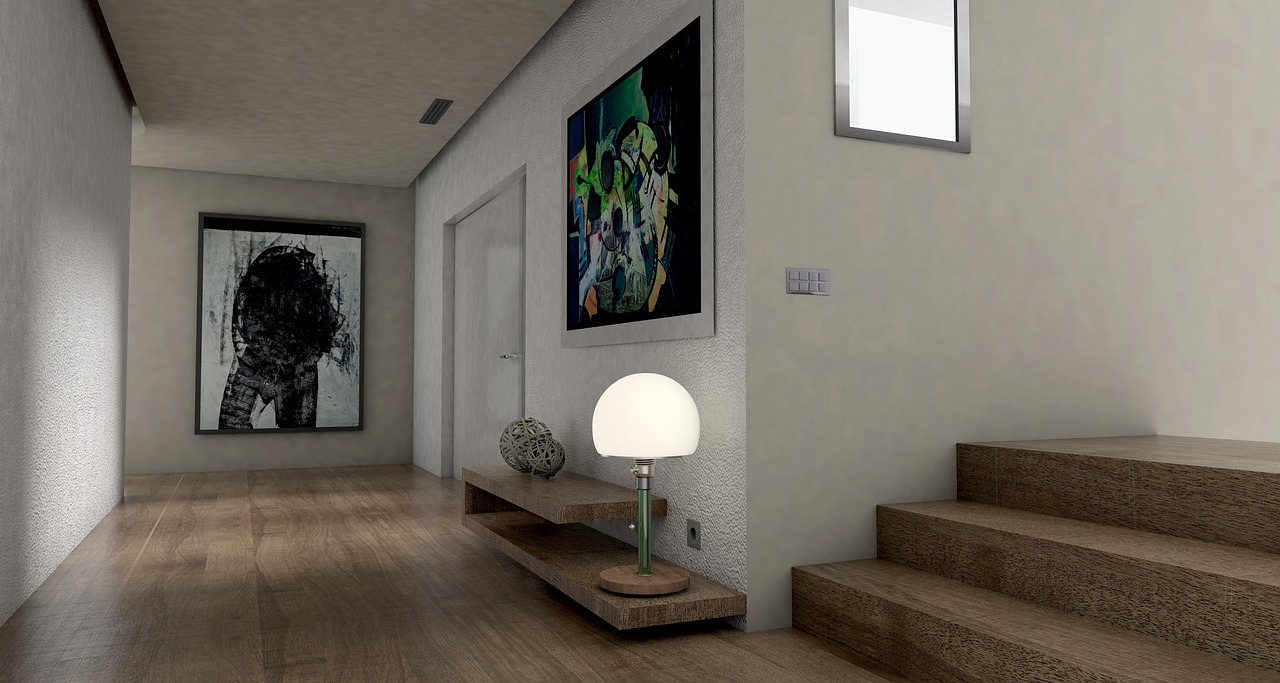
Working with an architectural visualization studio offers a range of benefits that can really enhance a project's success. First off, clear communication becomes easier, as visualizations help convey complex design ideas to clients and stakeholders who may not be familiar with technical details. These studios create stunning, photorealistic images that capture the essence of a design, making it simpler for everyone to grasp what the final result will look like. Moreover, by outsourcing these tasks, architects can concentrate on their creative work without delays. Visualization fosters collaborative efforts and allows for flexibility in edits, ensuring smoother project lifecycles and reducing costly errors down the line. Ultimately, it’s about elevating presentation quality while saving time and costs!
1. Enhanced Communication for Design Clarity
Architectural visualization studio plays a crucial role in enhancing communication between architects and clients. Visual models effectively bridge the gap between technical jargon and client understanding, making complex design ideas more accessible. For instance, 3D visuals can simplify intricate plans into digestible formats during presentations, allowing clients to grasp the essence of a project quickly.
Interactive models further elevate this experience, enabling clients to explore layouts and spaces, which fosters a deeper comprehension of the design. This visual storytelling engages clients, helping them connect with the architect's vision on an emotional level.
Moreover, shared visuals ensure that team members and stakeholders are aligned on project goals, reducing the likelihood of revisions and misunderstandings. Presentations enriched with visuals tend to be more impactful compared to text-heavy alternatives, effectively conveying the mood and feel of a space.
When clients can see a design in a visual format, they can provide feedback more easily, leading to a smoother collaborative process. Throughout the project, visualizations serve as a constant reference point, keeping everyone on the same page and focused on the end goal.
- Visual models bridge the gap between technical language and client understanding.
- 3D visuals simplify complex designs into digestible formats for presentations.
- Interactive models allow clients to explore layouts, fostering better comprehension.
- Visual storytelling engages clients, ensuring they grasp the architect's vision.
- Shared visuals help align team members and stakeholders on project goals.
- Clear communication reduces the likelihood of revisions and misunderstandings.
- Presentations with visuals are generally more impactful than text-based ones.
- Visualization helps convey the mood and feel of a space effectively.
- Clients can provide feedback more easily when they can see the design in a visual format.
- Visualizations serve as a reference point throughout the project, keeping everyone on the same page.
2. Photorealistic Renderings That Impress
Photorealistic renderings created by specialized studios capture the subtleties of light, texture, and materials in a way that brings designs to life. Clients often respond positively to images that closely resemble completed spaces, as these visuals help them visualize how different elements will harmonize within a design. For instance, a rendering might showcase how sunlight filters through a window at different times of the year, illustrating seasonal changes in lighting and environment.
These detailed images not only highlight specific features—like intricate woodwork or modern fixtures—but also enhance client interest by making the design feel tangible. With 3D models, clients can explore the project from various angles, providing a comprehensive view of the space. This flexibility allows architects to tailor visuals to different audiences, whether for marketing purposes or client presentations.
Furthermore, stunning renderings serve as powerful tools in showcasing architectural innovation, evoking emotions that help clients connect deeply with the design. They can be utilized in both print and digital formats, expanding their reach and impact. Overall, photorealistic renderings are essential in bridging the gap between conceptual ideas and real-world applications, making them invaluable in the architectural process.
3. Time Efficiency in Project Delivery
Outsourcing visualization tasks to specialized studios allows architects to concentrate on their core design responsibilities, leading to faster project delivery. These studios are known for their quick turnaround times on renderings, which is crucial when facing tight deadlines. Their efficient workflows minimize project delays, enabling architects to meet or even exceed client expectations. Rapid iterations are a hallmark of these studios, allowing for quick incorporation of feedback and reducing the time spent on revisions and back-and-forth communication. The time saved in the visualization process can be redirected to other critical areas of the project, enhancing overall productivity. With advanced technology at their disposal, visualization firms can significantly speed up rendering times, providing quick access to visual materials that are essential for marketing and client presentations. This time efficiency not only contributes to a smoother project timeline but also enhances client satisfaction, as timely visualizations help keep the project on track.
4. Improved Collaboration Among Teams
Working with an architectural visualization studio enhances collaboration among team members by providing shared visual platforms. These platforms serve as a common reference for architects, engineers, and designers, making it easier to align their visions. When everyone has access to the same visualizations, team members can annotate designs directly, which promotes clear communication and reduces the chances of misinterpretation.
The collaborative nature of visualization helps to clarify roles and responsibilities within the team. For example, during joint reviews of visuals, accountability is shared, fostering a sense of collective ownership over the project. This not only leads to more cohesive project development but also encourages creativity and boosts team morale.
Feedback loops are shortened because stakeholders can review and discuss visuals together in real-time. This allows for immediate adjustments to designs based on input, making the process more efficient. As a result, enhanced communication through visualization encourages a more dynamic and productive working environment.
5. Creative Exploration Through 3D Visualization
3D visualization opens up a world of creative exploration for architects. With the ability to create detailed 3D models, architects can quickly experiment with various design options. This flexibility allows them to think outside the box, presenting ideas in a dynamic way that traditional methods simply can’t match. For instance, an architect might create multiple layouts for a single space, testing unconventional arrangements without the heavy commitment of drafting detailed plans.
Real-time adjustments enable architects to engage in an iterative design process, making it easy to refine ideas on the fly. If a client wants to see how a different color or texture could enhance a design, these visualization tools allow for instant changes. This creative freedom often leads to innovative solutions that stand out in the industry.
Collaboration with visualization experts can inspire fresh perspectives, pushing architects to explore concepts they might not have considered otherwise. Whether testing the feasibility of complex concepts or engaging in rapid prototyping, 3D models support agile design methodologies. Ultimately, this creative exploration can culminate in award-winning designs and unique projects that truly capture the imagination.
6. Marketing and Promotion with Stunning Visuals
High-quality renderings from architectural visualization studios serve as powerful tools in marketing and promotion. These stunning visuals can attract potential clients and investors effectively, showcasing the design capabilities of a firm in a way that words alone cannot. By featuring these images in online portfolios, social media, and websites, firms can create a compelling online presence that stands out in a crowded market.
Moreover, eye-catching visuals significantly enhance promotional materials, making them more engaging and persuasive. Whether it’s for brochures, advertisements, or digital campaigns, stunning images can generate buzz around a project even before it is built. For instance, a well-crafted visualization of a new residential complex can ignite interest in prospective buyers long before the first brick is laid.
Visual marketing also allows for the creation of engaging presentations for pitches, helping firms differentiate themselves in a competitive landscape. Renderings act as a storytelling tool, vividly illustrating the design vision and helping clients emotionally connect with the project. This emotional appeal can be crucial for securing buy-in from stakeholders and facilitating smoother project approvals.
Furthermore, visualization allows for innovative virtual tours, increasing engagement by letting clients explore spaces in an interactive manner. This not only captures attention but also helps establish a memorable brand identity for firms, reinforcing their commitment to quality and creativity.
7. Support Throughout the Project Lifecycle
Working with an architectural visualization studio provides invaluable support throughout the entire project lifecycle. From the initial concept design to the final delivery, visuals maintain consistency and clarity. They play a crucial role in client presentations, allowing stakeholders to grasp design intentions at every stage. During project reviews, these visualizations can be revisited to assess progress and make informed decisions. After construction, post-project visualizations help evaluate success and can guide facility management and maintenance planning. They also assist in creating detailed as-built drawings, ensuring that the actual structures match the intended designs. Furthermore, visuals serve as effective training tools for staff, helping them navigate new spaces and systems. In scenarios involving renovations or expansions, they facilitate communication about design changes, keeping all parties informed and aligned. This continuous support ensures a comprehensive view of the project, aiding in future planning and upgrades.
8. Cost Savings from Reduced Errors
Working with an architectural visualization studio brings significant cost savings through reduced errors. High-quality visualizations allow designers to spot potential design flaws early, before construction even begins. This proactive approach minimizes the risk of costly changes and delays during the building phase. For example, a well-rendered 3D model can simplify complex design elements, making it easier for everyone involved to understand the project and reducing misunderstandings.
When errors are caught early, there’s less waste of materials and resources, which directly contributes to cost-efficiency. Accurate visualizations enhance budgeting and resource allocation, ensuring that funds are used wisely. Furthermore, with fewer on-site changes needed, both time and money are saved, leading to a smoother construction process. Investing in visualization reduces overall project risk, as high-quality visuals serve as a reliable record for accountability. Clients appreciate seeing the financial benefits of fewer design errors, making architectural visualization a wise investment that pays off in the long run.
9. Bespoke Solutions for Unique Needs
Architectural visualization studios excel in providing bespoke solutions tailored to the unique needs of each project. By customizing their services, these studios address specific client requests and preferences, ensuring that the visualizations resonate with the intended audience. For instance, a residential project might require a warm, inviting rendering style, while a commercial venture may benefit from a sleek, modern approach. The flexibility of these studios allows them to adapt to evolving project requirements, whether it’s a shift in design or specific regulatory submission standards.
Moreover, custom visuals can be crafted to align with particular marketing strategies, enhancing the storytelling aspect of a project. This personalized service not only strengthens client relationships but also leads to higher satisfaction, as clients feel their unique vision is understood and realized. Different formats can also be provided, from high-quality digital images for online promotion to printed materials for client presentations. By demonstrating a commitment to client success through these bespoke solutions, visualization studios position themselves as invaluable partners in the architectural process.
10. Technological Advancement in Visualization
Architectural visualization studios are at the cutting edge of technology, using advanced software and tools to enhance their visual outputs. By staying updated with the latest technological advancements, these studios are able to produce high-quality visuals that closely resemble real life. For example, sophisticated rendering techniques allow for more realistic representations of materials and lighting, giving clients a clearer picture of what to expect.
Emerging technologies like Virtual Reality (VR) and Augmented Reality (AR) take this a step further by providing immersive experiences where clients can walk through spaces before they are built. This not only captivates the audience but also aids in understanding complex designs.
The integration of technology also streamlines workflow and enhances collaboration among team members, making it easier to make adjustments and share ideas. Visualization firms often invest in ongoing training to ensure their teams are proficient in the latest software capabilities, enabling real-time modifications during client meetings. This flexibility allows architects to adapt designs on the spot, responding to client feedback without extensive rework.
Moreover, the ability to produce high-quality visuals at a faster rate gives these studios a competitive edge in the market. Continuous improvement in technology keeps visualization practices relevant, ensuring that clients receive effective and innovative solutions that meet their needs.
11. Error Reduction Before Construction Starts
Working with an architectural visualization studio significantly reduces errors before construction starts. High-quality visualizations allow teams to spot design flaws early on, which can save a lot of money and time later. For instance, when architects use 3D models, they can identify scale and proportion issues that might be overlooked in traditional 2D drawings. Additionally, virtual walkthroughs make spatial problems clear, allowing clients to provide feedback before any physical work begins. This proactive approach minimizes the chances of misunderstandings and miscommunications, as everyone involved can see exactly what the design entails. Clear visual references help align the project team on shared goals and standards, creating a checklist that ensures all design elements are accounted for. Catching these errors early not only leads to more accurate project timelines and budgets but also fosters a smoother construction process overall. Ultimately, the collaboration facilitated by these visualizations makes for more effective decision-making, ensuring that projects move forward with confidence.
12. Engaging Visual Narratives for Stakeholders
Engaging visual narratives are powerful tools that help stakeholders connect with a project on a deeper level. By crafting stories around designs, architectural visualization studios allow clients and stakeholders to visualize not just the end goals, but also the journey of the project. These narratives convey the vision and purpose behind design choices effectively, making the project more relatable and understandable.
Incorporating emotional elements into visuals can significantly enhance this connection. For example, showcasing how a new community park will benefit local families helps stakeholders see the project’s impact beyond mere aesthetics. Visual storytelling simplifies complex concepts, making them more digestible. A well-structured narrative can illustrate the evolution from initial sketches to the final product, providing a clear roadmap that stakeholders can follow.
Furthermore, engaging storytelling can differentiate a project in competitive proposals. When stakeholders feel emotionally invested, they are more likely to support the project, leading to increased interest and enthusiasm. Custom narratives can also be tailored to different audience segments, ensuring that each group finds relevance and meaning in the project. This targeted approach not only addresses concerns but also fosters a sense of ownership among stakeholders, facilitating smoother communication and collaboration.
13. Remote Accessibility for Easy Sharing
Remote accessibility is a game-changer in architectural visualization. With digital files that can be accessed from anywhere, team members and stakeholders can easily collaborate without the constraints of geography. For instance, a client in New York can review design visuals while their architect is in Los Angeles, all thanks to quick sharing via email or cloud services. This saves valuable time and resources, eliminating the need for travel costs and lengthy meetings. Stakeholders can review designs at their convenience, which leads to more thoughtful feedback. Moreover, the ability to integrate visual data into virtual presentations or webinars enhances engagement. By ensuring that everyone stays informed, remote access fosters a sense of inclusion and collaboration. This flexibility in reviewing designs accelerates decision-making, allowing for broader feedback from diverse stakeholders. Additionally, tailored file formats optimize the user experience across various devices, ensuring that everyone can participate fully. Collaboration tools also facilitate real-time discussions about the visuals, making it easier to address concerns and make adjustments on the fly.
14. Increased Project Buzz and Interest
High-quality visuals have a remarkable ability to generate excitement around a project. When communities see stunning imagery, they become more engaged and curious about what’s being built. These visuals can be utilized in marketing materials, drawing attention and attracting potential clients or investors. Social media platforms serve as powerful tools to amplify this interest, where eye-catching images can spread rapidly, creating a buzz that reaches far beyond the initial audience.
Moreover, attractive renderings can lead to press coverage, sparking public discussions that can further elevate a project's profile. Showcasing these visuals at events can actively engage potential investors, providing them with a clear picture of the project's vision and potential. A visually appealing project not only enhances its perceived value but also fosters stronger partnerships with local businesses, as community members start to advocate for developments they find appealing.
Engaging content encourages public support, inspiring community involvement and advocacy. By illustrating future possibilities, these visuals help stakeholders imagine the benefits of the project, laying a strong foundation for successful execution. The initial impression created by stunning visuals can set the tone for the project, making it more likely to achieve its goals.
15. Flexibility in Design Edits
Flexibility in design edits is one of the standout benefits of working with an architectural visualization studio. With visualizations, architects can make quick adjustments based on client feedback, allowing for a more interactive and responsive design process. For instance, if a client wants to see a different layout or material, it can be simulated almost instantly without the need for extensive rework. This agility helps keep all stakeholders informed of changes in real time, reducing delays often caused by back-and-forth communication.
Moreover, designers can easily explore multiple design options, which not only streamlines the decision-making process but also enhances client satisfaction. When clients see their suggestions reflected in updated visualizations, it builds their confidence in the overall design. This flexibility is particularly advantageous in a fast-paced market where demands and regulations can shift unexpectedly. By being able to pivot quickly, projects can remain on schedule and within budget, all while avoiding the high costs associated with physical models. Ultimately, the ease of making edits through visualization tools fosters a smoother, more efficient design journey.
16. Professional Presentation Builds Trust
High-quality visualizations reflect a commitment to excellence, which can significantly enhance an architect's standing in the industry. When architects showcase their designs through professional presentations, they not only enhance their credibility with clients and stakeholders but also instill confidence in potential investors. A polished visual presentation serves as a testament to an architect's professionalism, making clients more likely to trust their vision and capabilities.
In a competitive market, quality visuals help architects stand out, creating lasting impressions in the minds of stakeholders. Engaging presentations can lead to increased project approvals and funding, as they clearly communicate the architect's intent and design features. Additionally, a professional approach in visual representation can foster long-term relationships with clients, ultimately leading to more referrals and repeat business. When architects present their ideas clearly and effectively, they build a foundation of trust that is essential for successful collaborations.
17. Support for Smooth Regulatory Approvals
Working with an architectural visualization studio can significantly ease the regulatory approval process for a project. Well-crafted visualizations provide clear and accurate representations that demonstrate compliance with zoning and building codes. This clarity can help identify potential regulatory issues early on, allowing teams to address them proactively. Visual aids simplify complex compliance matters, making it easier to explain designs to stakeholders who may not have technical backgrounds.
Regulatory bodies often find it easier to assess proposals backed by clear designs. Detailed renderings facilitate discussions with planning and zoning boards, making the review process smoother. Moreover, compelling visuals can help alleviate public concerns during hearings, as they can effectively communicate the community impact and benefits of a project to regulators.
Effective presentations supported by high-quality visuals can lead to quicker resolutions of regulatory questions, reducing delays. Additionally, visual documentation serves as a valuable resource throughout the approval process, ensuring that all parties are aligned and informed.
Frequently Asked Questions
1. What exactly does an architectural visualization studio do?
An architectural visualization studio creates detailed 3D images and animations of buildings and spaces before they are built. This helps visualize how a project will look and feel in real life.
2. How can working with these studios help my project?
These studios can clarify design ideas, allowing you to see a realistic representation of your project. It helps in making better design decisions and communicating your vision to clients or stakeholders.
3. Is it necessary to hire an architectural visualization studio if I have an architect?
While an architect can design a project, a visualization studio specializes in creating impactful visual content. This collaboration enhances the presentation and understanding of the design.
4. How do these visuals impact client understanding?
High-quality visuals provide clients with a clear picture of the final product, making it easier for them to grasp design elements and overall appeal, leading to more informed feedback and decisions.
5. Can these studios help in marketing my project?
Yes! Stunning visualizations are great marketing tools. They can capture attention, showcase the project effectively, and attract potential buyers or investors.
TL;DR Working with an architectural visualization studio enhances communication, produces impressive photorealistic renderings, and saves time throughout the project. The collaboration improves teamwork and enables creative exploration, while marketing efforts benefit from striking visuals. These studios support all project phases, offer bespoke solutions, and utilize advanced technology, resulting in cost savings through error reduction. Their engaging narratives build trust and facilitate smoother regulatory approvals, all while ensuring remote accessibility and flexibility in design edits.