

In the rapidly-evolving medical field, it is essential that medical providers keep up with the technology needed to improve the quality of care and ensure patient safety. One of the most important ways to do this is to stay current on advances in Radiology Information Systems (RIS). RIS are computerized systems that manage all radiological data, including patient records, images, and billing information. Becoming knowledgeable on the features, uses, and benefits of RIS can ensure that healthcare providers keep up with the latest technology, providing patients with optimal patient care.
What Is A Radiology Information System?
A Radiology Information System (RIS) is a computerized system that manages all radiological data. RIS records electronic patient data, including medical histories, prescriptions, images, and billing information. Typically, RIS systems are found in radiology departments in hospitals and diagnostic centers and are generally divided into four components: patient registration, exam scheduling, image capture, and image review. The primary goal of a Radiology Information System is to improve the efficiency of radiological departments and streamline the delivery of medical care.
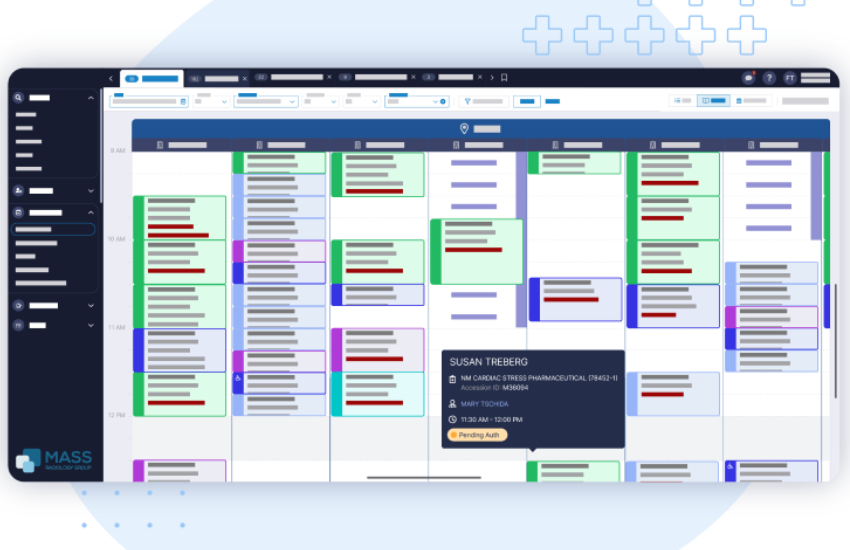
Why Does Radiology Information System Improve Health Care?
RIS is designed to improve the efficiency of providing care by automating many of the tedious tasks that were traditionally done manually. By reducing the amount of time spent on paperwork and administrative tasks, healthcare providers are able to spend more time with patients. Additionally, RIS reduces medical errors by allowing certified practitioners to access patient data quickly and accurately. With RIS, providers are able to easily access test results and imaging studies, which can improve the accuracy of diagnosis and reduce turnaround time for test results.
How To Implement A Radiology Information System In Your Practice?
Implementing a RIS can involve a large-scale change to the way a practice or department works. Since it can be a substantial investment of time and resources, it is important to research and compare multiple options to ensure that the optimal system is chosen. A team should be created where all stakeholders, from physicians to administrators to IT staff, are included to ensure proper implementation. Once a system is chosen, it is important to create a plan with a timeline for rolling out the RIS. Finally, it is important to educate users on the new system, ensuring that they are comfortable navigating the system and can make the best use of the system’s features.
Tips For Optimizing Your Radiology Information System
Optimizing your system requires an understanding of how the RIS is being used. Analyzing user trends can provide insights into how to best use your system and how to most effectively utilize its features. Additionally, it is important to stay current with technological advances and ensure that systems are updated with the latest versions. Keeping your system up-to-date can help ensure that users have access to the most current features and remain comfortable navigating the system.
Types Of Radiology Information Systems
There are several different types of RIS systems available, including enterprise RIS and smaller, department-level RIS. An enterprise RIS is a large system designed to handle all of the radiology needs of a large healthcare organization. Department-level RIS are typically smaller systems, but they can still offer many of the same features as enterprise RIS, such as detailed tracking of patient data, image capture and analysis, and exam scheduling.
Benefits Of Using A Radiology Information System
The benefits of using a RIS system are vast. RIS systems reduce errors, decrease the amount of time a physician needs to spend on paperwork and improve patient safety and satisfaction. Additionally, RIS systems are able to store and track a large amount of data, so that physicians can access the information needed quickly and easily.
Challenges Of Implementing A Radiology Information System
Implementing a RIS can involve a considerable investment of time and resources. Additionally, some practitioners may be reluctant to use the system, and it is important to provide thorough training to ensure that all users are properly educated and comfortable navigating the system. Additionally, a RIS system requires a significant amount of data input in order to accurately track and store information, so it can be easy to overlook and overlook data input errors.
Conclusion
Radiology Information Systems is a valuable tool to improve the quality and efficiency of patient care. RIS systems provide a number of benefits, from improved patient satisfaction to fewer medical errors. To ensure full utilization of the RIS system, practitioners must stay up to date on the latest technology and maintain current systems. With the right implementation and training, RIS systems will help ensure that healthcare providers are able to keep up with the latest technology and provide optimal patient care.