
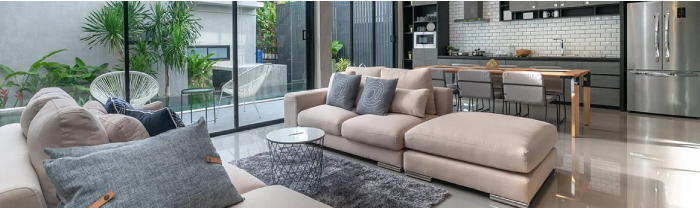
When searching for used living room furniture in Washington DC, start by prioritising solid wood pieces rather than cheaper particle board or MDF, as solid wood tends to last longer and feels sturdier. Give items a good wobble to check construction quality and look out for dovetail joints on drawers, signs of careful craftsmanship. Keep an eye out for reputable brands like Ethan Allen or Herman Miller, which are common in the local market and indicate durability. Use platforms like Facebook Marketplace or AptDeco frequently since good finds go quickly here. Don’t forget to smell the upholstery and inspect seams with a flashlight to avoid pests or unpleasant odours. Having patience and a clear plan will help secure quality furniture that fits your home well without regrets.
Material and Craftsmanship to Check in Used Furniture
When assessing used living room furniture Washington DC, start by checking the frame material. Solid wood is a clear mark of quality, being heavier and more durable than particle board or MDF, which often feels lighter and less sturdy. Gently press or sit on the piece to test its sturdiness; any wobbling or creaking suggests poor construction. Pay close attention to the joints, especially in drawers. Dovetail joints are a classic sign of skilled craftsmanship, whereas simple stapled or glued joints often indicate cheaper build quality. Inspect the veneer carefully; peeling or damaged veneer should be avoided unless you plan to refinish it, as it can be costly to repair. Look over all sides of the furniture, including the back and underside to ensure consistent build quality rather than just a presentable front. Unique details such as carved accents, turned legs, or a vintage leather patina often point to better craftsmanship and add character. Be cautious of uneven finishes or mismatched parts, as these may reveal poor repairs or replacements. Check drawer runners and hinges for smooth operation and signs of damage or recent replacements, which could hint at past issues. The weight of the furniture also matters: lighter pieces often use cheaper materials and may not last as long. Lastly, watch out for signs of water damage or warping, which can seriously affect the furniture’s durability and stability.
- Check if the frame is made from solid wood rather than particle board or MDF; solid wood feels heavier and is more durable.
- Test the sturdiness by applying gentle pressure or sitting on the piece to see if it wobbles or creaks.
- Look closely at joints, especially drawers; dovetail joints indicate quality craftsmanship.
- Inspect veneer carefully for peeling or damage; avoid unless you plan to refinish.
- Examine all sides including the back and underside to ensure consistent build quality.
- Look for unique details such as carved accents, turned legs, or vintage leather patina which suggest better craftsmanship.
- Avoid furniture with uneven finishes or mismatched parts that may indicate poor repair work.
- Check drawer runners and hinges for smooth operation and signs of replacement or damage.
- Assess the weight of the furniture; lightweight pieces often use cheaper materials.
- Note any signs of water damage or warping which compromise durability.

Recognising Trusted Furniture Brands in Washington DC
When searching for quality used living room furniture in Washington DC, recognising trusted brands can save you time and money. Start by checking for labels or stamps, often found inside drawers, under seats, or on the back panels, to confirm the maker. Brands like Ethan Allen, Pottery Barn, Bernhardt, Bassett, and Herman Miller are known for their durable construction and tend to hold their value well. These manufacturers often use solid wood and traditional joinery techniques, which contribute to the longevity of their pieces. It’s wise to research a brand’s history online to understand their typical materials and quality standards, as well as whether they offer replacement parts or warranties that transfer to second-hand buyers. While brand reputation is a helpful guide, always inspect the individual item carefully for signs of wear or damage. Be cautious of unbranded or counterfeit furniture being sold as high-end pieces, asking sellers for original purchase receipts or documentation can help verify authenticity. Additionally, inquire about the furniture’s origin and manufacturing date to ensure it matches the brand’s production periods. Steering clear of mass-market brands like IKEA, Walmart, or Target is recommended if you want furniture that will last beyond a few years. Instead, favour brands known for solid wood construction and craftsmanship, which you’ll find more often in the Washington DC second-hand market.
Inspecting Upholstery and Avoiding Odours
When examining used living room furniture, pay close attention to the upholstery condition. Look carefully for stains, tears or worn patches that might mean a costly reupholstery job. It’s wise to prefer natural fibres like cotton or linen, as these breathe better and don’t trap smells as much as synthetic fabrics. Always give the upholstery a thorough sniff: musty, smoky or chemical odours are often stubborn and can linger despite cleaning. Avoid pieces with strong pet smells or signs the home was a smoking environment, as these odours can be near impossible to remove. Check seams and underneath cushions for hidden damage or signs of pests, using a flashlight if necessary. Run your hand over cushions to feel for firmness and even padding, which indicates the furniture’s comfort and condition. To gauge stubborn odours, sprinkle baking soda on the fabric and vacuum it off after a short while; if the smell fades easily, that’s a good sign. Don’t hesitate to ask the seller about the furniture’s cleaning history or any professional treatments applied. Remember, furniture with badly damaged fabric or persistent smells may cost more to fix than it’s worth, so consider the effort and expense of reupholstering before making a commitment.
How to Detect Pests and Smell Issues?
When inspecting used living room furniture in Washington DC, it is important to carefully check for signs of pests and unpleasant odours that might indicate hidden problems. Use a bright flashlight to examine seams, joints and crevices, especially in upholstered pieces, looking for small dark spots, shed skins or unusual debris which could suggest bed bugs or other insects. Pay close attention to areas under cushions and inside drawers, as these are common hiding spots. Smell the furniture carefully; persistent musty or smoky odours often point to poor storage conditions or pest infestations. Avoid pieces with lingering chemical or mouldy smells, as these can be difficult to eliminate and may affect indoor air quality. Wooden parts should be inspected for small holes or tunnels, which may be a sign of wood-boring insects. Apply gentle pressure on fabric surfaces to detect any softness or deterioration caused by pests or damage. Always ask sellers if the furniture was stored in damp or pest-prone environments, and be cautious with items from homes with pets if you have allergies. If you decide to purchase upholstered furniture with potential pest concerns, consider quarantining and treating it before bringing it indoors to protect your home.
Assessing Condition and Repair Potential
When assessing used living room furniture in Washington DC, prioritise pieces with a solid structure that show only minor cosmetic wear such as small scratches or dents. Avoid items with serious veneer damage, broken frames, or sagging springs, as these issues are often costly or impractical to fix. Look closely for signs of previous repairs: well-executed repairs can add value, while poor workmanship usually lowers it. Test drawers and doors to ensure they open smoothly and align correctly, as sticking or misaligned components often indicate deeper problems. Inspect surfaces for water stains, warping, or rot, which may be expensive or impossible to remedy. Consider the availability and expense of replacement parts before committing to a purchase, especially for older or unusual pieces. Scratches and finish wear might be improved with sanding or refinishing, but cushion sagging or loss of support could mean investing in new foam or springs. Fabric condition is equally important; heavy wear or damage may require reupholstering, adding to overall costs and effort. Ultimately, balance the asking price against potential repair needs to decide if the furniture is a worthwhile investment. For example, a well-built solid wood chair with minor finish scratches and intact joints will likely be a better buy than a sofa with a broken frame and heavily worn cushions, no matter how attractive the price appears.
Practical Buying Mindset for Used Furniture
When shopping for used living room furniture in Washington DC, it is important to buy only pieces you genuinely like and have space for. Avoiding clutter is key, so resist the temptation of impulse buys that don’t fit your style or home. Be prepared to invest time searching through listings, inspecting items in person, and negotiating politely to secure the best deal. Quality pieces tend to sell quickly in DC’s competitive market, so regularly checking platforms like Facebook Marketplace or AptDeco will help you spot new arrivals early. When you find a good piece, act promptly to avoid missing out. Always have a clear plan for transporting the furniture safely home, whether that means arranging a vehicle or professional delivery. When negotiating, offering immediate pickup or cash can encourage sellers to agree to your terms. Remember to consider the total cost, including any repairs, delivery fees, or refinishing work before committing. Don’t rely solely on photos or descriptions, inspect every piece thoroughly in person to check construction, condition, and any hidden issues. Keeping an open mind about styles or brands can widen your options, but stay cautious about poor-quality items that may cost more in the long run. Ultimately, patience and a clear buying strategy will help you find used furniture that suits your home and lasts well.
Local Shops and Vintage Stores to Explore
Washington DC offers a variety of local shops and vintage stores where you can find quality used living room furniture. GoodWood DC, located near U St NW, is known for its carefully selected vintage pieces that combine style and durability. If mid-century or industrial aesthetics appeal to you, Peg Leg Vintage specialises in these styles with reasonable prices, making it a great place to hunt for unique items. For budget-friendly options, the Salvation Army Family Store near Hyattsville is worth visiting, as it often has affordable living room furniture that can be a good starting point for those on a tight budget. Laurel Auctions, held biweekly, feature regional quality used pieces that attract collectors and regular buyers alike, providing opportunities to snag well-crafted furniture at auction prices. CORT Furniture Outlet sells previously leased furniture which tends to be in good condition and offered at discounts, ideal for those seeking higher-end pieces at lower costs. Since stock at these shops changes frequently, regular visits are beneficial; new arrivals can include hidden gems not found online. Engaging with staff can provide valuable insight into the sourcing and restoration history of items, helping you assess quality more confidently. Additionally, exploring vintage stores allows you to uncover well-made, distinctive furniture that stands out from mass-produced offerings. Keep an eye on local estate sales advertised in DC, as they sometimes present excellent bargains on quality pieces. Combining these visits with online research helps compare prices and availability, ensuring you make an informed purchase in the competitive DC market.
Tips for Negotiating and Securing the Best Deals
When negotiating for used living room furniture in Washington DC, approaching the seller with politeness and respect can go a long way in building trust. Before making an offer, it’s wise to ask if the price is negotiable, which sets a collaborative tone. Starting with a reasonable but slightly lower offer allows room to negotiate without offending the seller. If you spot minor flaws, mentioning them gently can justify your offer without seeming overly critical. Offering immediate pickup or flexible collection times often motivates sellers to agree to a better price, as it simplifies their logistics. Bundling multiple items from the same seller can also secure a discount, especially if you're buying from platforms like Facebook Marketplace or local vintage stores. Paying in cash is another good strategy, as it streamlines the transaction and may encourage sellers to drop the price. However, be prepared to walk away if the price exceeds your budget or if you discover hidden issues during inspection. Confirm all details such as the furniture’s condition, dimensions, and any included parts before handing over payment, and make sure there is a clear agreement on pickup logistics to avoid misunderstandings. For example, arranging to collect the item on the same day you agree on the price can often seal the deal more effectively than drawn-out arrangements.
Inspection Checklist for Washington DC Buyers
When inspecting used living room furniture in Washington DC, start by bringing a bright torch to illuminate joints, crevices and under cushions. This helps spot pests like bed bugs or hidden damage that might not be obvious in daylight. Test the stability by gently pressing and sitting on chairs or sofas to ensure they do not wobble or creak, sturdy construction is key. Take a close sniff of the piece to detect any unpleasant odours, especially smoke or mould, which can be difficult to remove. Look carefully for brand labels or stamps inside drawers, on the underside or backs of furniture and take a moment to research their reputation online; well-regarded brands often indicate better quality. Examine all fabric and wooden surfaces for signs of wear, stains or scratches, as these can affect both appearance and longevity. Don’t hesitate to ask the seller about the furniture’s history, including any past repairs or care routines, as this insight can reveal how well the piece has been maintained. Measure the dimensions accurately to make sure the furniture will fit your intended space without causing issues with layout. Check that drawers and doors open smoothly and that any reclining mechanisms function properly if applicable, since these features can be costly to fix. Given Washington DC’s busy traffic and parking restrictions, plan transport and delivery ahead of time to avoid last-minute difficulties. Finally, take photos during your inspection to refer back to when making your decision or negotiating price.