When considering the best lighting options for various applications—whether it’s for a DIY project, a camping trip, or a decorative accent in your home small battery LED lights often stand out as an excellent choice. They’re energy-efficient, portable, and versatile. However, one question that many people have before making their purchase is: how long do small battery LED lights last?
In this article, we’ll dive into the lifespan of small battery LED lights, what factors affect their longevity, and how you can maximize their use.
Understanding Small Battery LED Lights
Before we explore how long small battery LED lights last, it's important to understand the basics of LED lights. Light Light-emitting diodes (LEDs) are a popular lighting choice because they use semiconductors to produce light when electricity flows through them. Unlike traditional incandescent or fluorescent bulbs, LED lights are more energy-efficient, produce less heat, and have a longer lifespan.
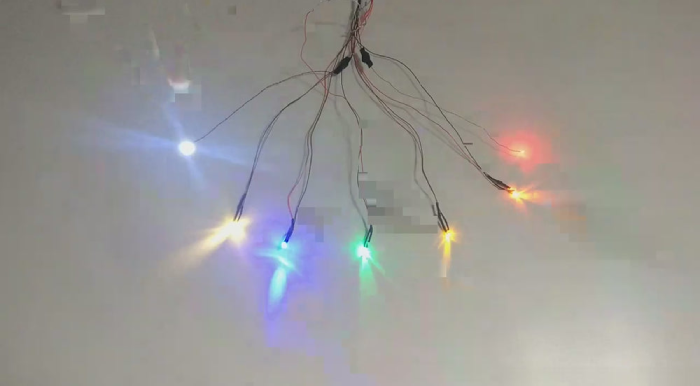
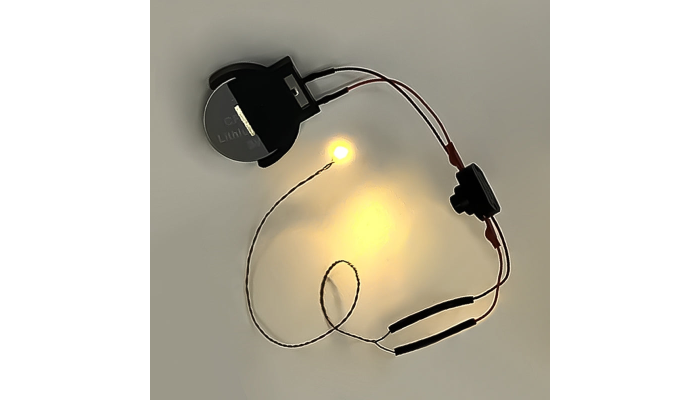
Small battery LED lights are designed to run on a battery rather than being connected to a power outlet. This makes them an excellent choice for temporary or portable lighting needs. They can be used in a wide range of applications, such as flashlights, emergency lighting, holiday decorations, and even fairy lights.
Average Lifespan of Small Battery LED Lights
One of the primary selling points of LED lights is their extended lifespan. On average, a small battery LED light can last anywhere between 25,000 to 50,000 hours, depending on the quality of the bulb and how it is used. However, it’s important to note that this estimate applies to the LED itself and not necessarily the battery powering it.
When it comes to battery-powered lights, the lifespan will vary depending on the type and size of the battery used, the brightness setting, and the frequency of usage.
Factors Affecting the Lifespan of Small Battery LED Lights
The longevity of small battery LED lights depends on a variety of factors. Here’s a breakdown of the key elements that can impact how long your LED lights will last:
Battery Type
- The type of battery used in small LED lights can significantly influence their duration. Common battery types include alkaline, lithium, and rechargeable options like NiMH (Nickel-Metal Hydride). Each has different power capacities and discharge rates:
- Alkaline Batteries: These are commonly used in low-cost LED lights. However, they tend to drain faster than other types of batteries and are less efficient.
- Lithium Batteries: Lithium batteries are more efficient, last longer, and perform better in colder temperatures, making them ideal for outdoor applications.
- Rechargeable Batteries: If your LED lights use rechargeable batteries, you can expect a more sustainable solution. These batteries typically last for a longer period, especially if they are charged and stored correctly.
Brightness Level
- The brightness of your LED light will also affect its battery life. Small battery LED lights often come with multiple brightness settings, and using a higher brightness setting will drain the battery more quickly. Dimmer settings or lower power modes can extend battery life, but the light’s performance will be less intense.
Usage Frequency
- How often you use your small battery LED lights directly impacts how long the battery will last. If the lights are turned on for long hours each day, the battery will need to be replaced more frequently. On the other hand, lights that are used occasionally or for shorter durations will naturally last longer.
Environmental Conditions
- Environmental factors such as temperature, humidity, and exposure to extreme weather conditions can all affect the battery’s performance and the LED light’s lifespan. For example, extremely cold temperatures may cause the battery to drain faster, while high heat can cause the battery to degrade over time.
Battery Quality and Maintenance
- The quality of the battery and proper maintenance also play a significant role. Using low-quality batteries can lead to faster battery depletion and reduced light output. Additionally, it’s important to replace the batteries before they are fully drained to prevent damage to both the batteries and the LED light.
How to Maximize the Lifespan of Your Small Battery LED Lights?
If you want to get the most out of your small battery LED lights, here are some tips to help extend their lifespan:
Choose High-Quality Batteries
Investing in high-quality batteries can make a significant difference in how long your small battery LED lights last. Opt for premium lithium or rechargeable batteries, as these options offer more power, longer-lasting performance, and better efficiency compared to standard alkaline batteries.
Use Dimmer Settings
If your LED lights have adjustable brightness settings, use the lowest setting that still provides adequate lighting for your needs. This can substantially extend the life of the battery without compromising on functionality.
Turn Off Lights When Not in Use
It might seem obvious, but it’s easy to forget to turn off battery-powered lights when they’re not needed. Whether they’re used for decoration or functional purposes, ensuring that the lights are turned off when not in use can help preserve the battery life.
Store Lights Properly
If you're storing your small battery LED lights for an extended period, remove the batteries to prevent them from leaking or degrading. Store the lights in a cool, dry place away from direct sunlight or extreme temperatures, as these conditions can shorten battery life.
Rechargeable Battery Options
For eco-conscious consumers, using rechargeable batteries can be a sustainable and cost-effective choice. Rechargeable batteries, especially lithium-ion or NiMH, can be reused many times before losing their effectiveness. Make sure to charge them properly and avoid overcharging, which can reduce their lifespan.
When to Replace the Battery in Your Small LED Lights?
Knowing when to replace the batteries in your small LED lights is crucial for ensuring that the lights continue to perform efficiently. Here are some signs that it’s time to change the batteries:
- Dimming Light: If the light becomes noticeably dimmer, it’s usually a sign that the battery is running low.
- Flickering or Inconsistent Lighting: Flickering may occur when the battery can no longer supply a steady flow of power.
- Total Power Loss: Of course, if your LED lights don’t turn on at all, it’s time to replace the batteries.
Conclusion
Small battery LED lights are a fantastic, versatile, and energy-efficient solution for a variety of lighting needs. While the LED itself has a long lifespan of 25,000 to 50,000 hours, the duration of battery life will depend on factors like battery type, brightness settings, frequency of use, and environmental conditions.
By choosing high-quality batteries, using dimmer settings, turning lights off when not in use, and storing them properly, you can maximize the lifespan of both the LED light and its batteries. With the right care, your small battery LED lights can continue to provide reliable and efficient lighting for an extended period.
In the end, the longevity of small-battery LED lights is well worth the investment, offering you a sustainable and portable lighting solution for many years to come.