
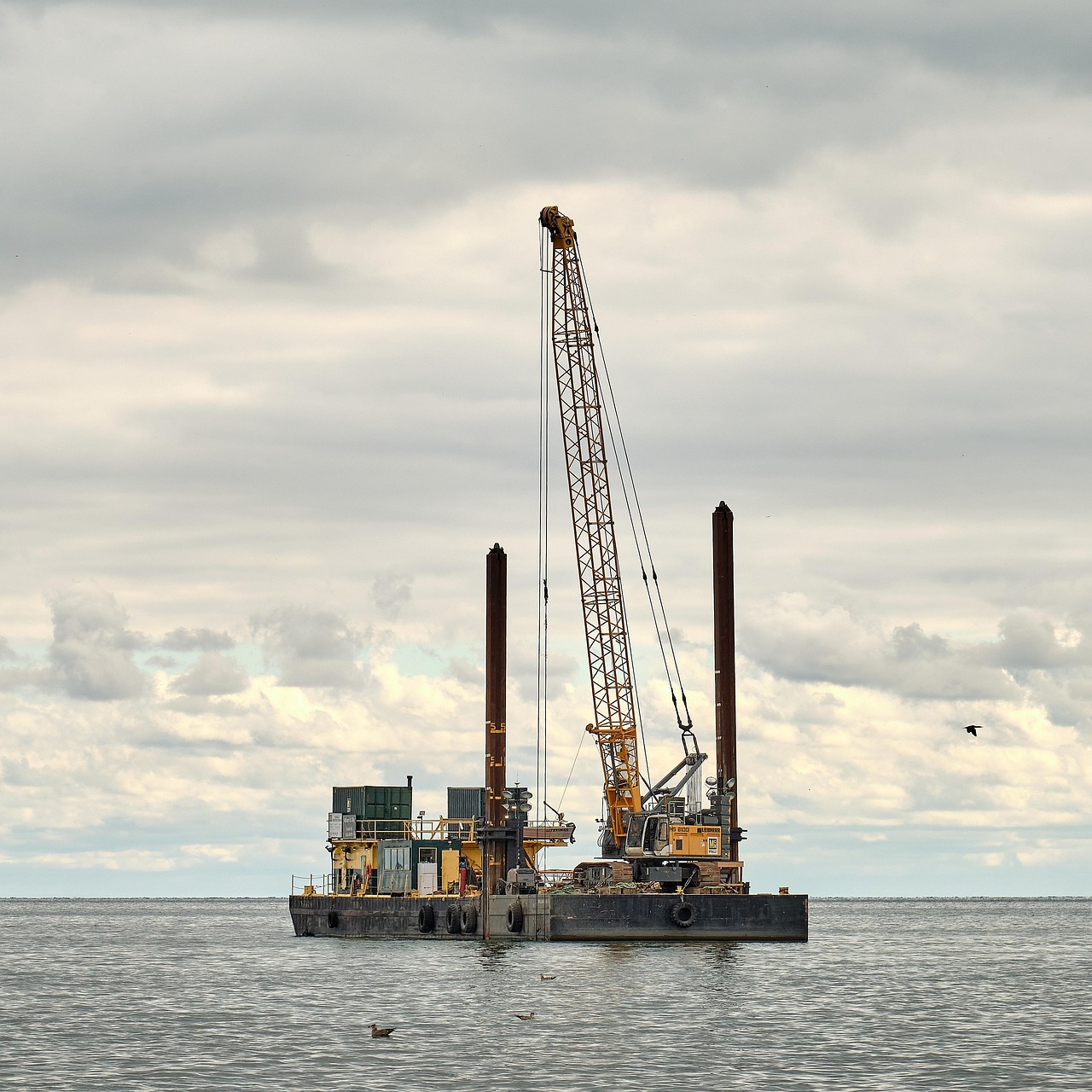
An auger dredge is a specialized piece of equipment designed to excavate materials from underwater locations using an auger, which is a screw-like device. The key components include the auger, a drive system, and a discharge system that moves excavated material to the surface. To operate, it’s positioned with GPS accuracy over the dredging area. Once in place, the rotating auger digs into sediments efficiently lifting material up for transport through its discharge system. Auger dredges are commonly used in environmental remediation and maintenance dredging but have limitations like slower operation and inefficiency with hard rock. Safety measures are important for effective operations.
What is an Auger Dredge?
An auger dredge is a specialized piece of equipment designed to excavate and transport materials from underwater locations. It uses an auger, which is a screw-like device, to dig into sediments or soil beneath the water's surface. The primary component, the auger, features a spiral blade that rotates to effectively lift the material from the seabed. This dredge typically includes a drive system that powers the auger, often through hydraulic or mechanical means, and a discharge system that moves the excavated material to the surface or onto a barge for disposal or further processing. A support structure, which can include a frame and a floating platform, stabilizes the dredge while it operates.
The operation begins with positioning the auger dredge over the target area, usually utilizing GPS for accuracy. As the auger rotates, it digs into the sediment, efficiently handling the material thanks to its spiral design. Once lifted, the material is transported through the discharge system to a predetermined location, such as a barge. This process can be repeated as the dredge moves to new locations or continues to work in the same area. Auger dredges are commonly used in environmental projects to remove contaminated sediments, maintain navigable depths in harbors, and mine sand and gravel for construction.
Key Components of an Auger Dredge
An auger dredge consists of several key components that work together to perform its dredging tasks efficiently. The auger itself is the most critical part; it features a spiral blade that rotates to dig into the seabed and lift materials, such as sediment or soil, to the surface. This spiral design is particularly effective for handling cohesive materials, making it suitable for various dredging applications.
The drive system powers the auger, and it can be hydraulic or mechanically driven, ensuring that the auger rotates smoothly and applies the necessary force to excavate materials. The discharge system is another essential component, responsible for transporting the excavated material to the surface or directly onto a barge for disposal or further processing. This system ensures that the material is moved efficiently and with minimal disruption.
Supporting these components is the support structure, which may include a sturdy frame and a floating platform or barge. This structure stabilizes the dredge during operation, allowing it to maintain its position over the targeted dredging area. Each of these components plays a vital role in the overall functionality of the auger dredge, contributing to its effectiveness in various dredging operations.
How an Auger Dredge Operates?
An auger dredge operates by utilizing its key components in a systematic process to excavate materials from underwater locations. First, the dredge is precisely positioned over the target area, often aided by GPS technology to ensure accuracy. Once in place, the auger, which features a spiral blade design, begins to rotate. This rotation allows the auger to dig into the sediment effectively, lifting materials from the seabed. As the auger turns, it conveys the excavated material upward through its discharge system, which then transports it to the surface or onto a barge for further processing or disposal.
The operation can be repeated in the same area or adjusted to new locations as needed. This method is particularly effective for dredging cohesive soils and is capable of functioning in shallower waters where other types of dredges might struggle. For instance, in environmental remediation projects, an auger dredge can efficiently remove contaminated sediments while minimizing disturbance to the surrounding ecosystem. However, it's essential to regularly maintain the equipment and ensure that operators are well-trained to mitigate any potential risks during the dredging process.
Common Applications of Auger Dredges
Auger dredges are versatile tools used in various industries for specific dredging tasks. One common application is in environmental remediation projects, where they effectively remove contaminated sediments from water bodies. By using an auger dredge, operators can carefully excavate polluted materials while minimizing disturbance to the surrounding environment.
Additionally, auger dredges play a vital role in sand and gravel mining. They efficiently extract these materials from riverbeds or seabeds, which are essential for construction projects. The capability to operate in shallow waters gives auger dredges an edge over other dredging methods in these scenarios. Overall, their specific design and operation make them suitable for targeted applications where precision and minimal environmental impact are priorities.
- Draining wetlands and swamps
- Excavating for underwater construction
- Dredging navigational channels
- Environmental restoration projects
- Soil sampling and monitoring
- Research and geological exploration
- Installing underwater pipelines
Advantages of Using an Auger Dredge
An auger dredge offers several advantages that make it a valuable tool in various dredging applications. One of its primary benefits is its effectiveness in handling cohesive soils, which can be challenging for other types of dredges. This capability allows for efficient excavation of materials such as clay and silt, making auger dredges particularly useful in environmental remediation projects where contaminated sediments need to be removed.
Another significant advantage is the ability of auger dredges to operate in shallow water conditions. Unlike suction dredges that require deeper water to function properly, auger dredges can effectively excavate materials in areas where water depth is limited. This makes them ideal for maintenance dredging in harbors and waterways, ensuring safe navigation without the need for extensive environmental disruption.
Limitations of Auger Dredges
While auger dredges are effective in certain conditions, they do have limitations that can affect their performance. One major restriction is their inefficiency in handling hard rock or very dense materials. The screw-like design of the auger is primarily suited for softer sediments and cohesive soils, making it less effective in rocky environments. Additionally, auger dredges tend to operate at slower speeds compared to other methods, such as suction dredging, which can be a disadvantage in time-sensitive projects.
Another limitation is the need for careful handling and disposal of the excavated materials. If not managed properly, there could be environmental impacts, especially if contaminated sediments are involved. This necessitates additional planning and resources to ensure compliance with environmental regulations. Overall, while auger dredges offer unique advantages, their limitations must be carefully considered when selecting the appropriate dredging method for a project.
Safety Considerations for Auger Dredging
Safety is paramount when operating an auger dredge. Regular maintenance and inspection of the equipment are essential to prevent unexpected failures that could lead to accidents or equipment damage. Operators should receive thorough training on dredging techniques and safety protocols to ensure they understand the risks involved. This includes knowledge of how to operate the machinery safely and how to respond in emergencies.