Lagoon dredge is the process of removing built-up sludge, sediment, and debris from lagoon bottoms to restore capacity and improve water quality. This is important because sediment buildup decreases storage space, causes algae blooms, bad odors, and can harm nearby ecosystems. Various equipment types are used for dredging lagoons, including hydraulic dredges like cutterhead, hopper, submersible, and floating dredges that suction sediments efficiently. Mechanical dredging with buckets or grabs works better in shallow or small lagoons but tends to be more disruptive. Choosing the right equipment depends on factors such as lagoon size, sediment type, and environmental concerns. Proper planning helps minimize ecological impact while extending lagoon life.
What Lagoon Dredging Involves and Why It Matters?
Lagoon dredge is the process of removing sediment, sludge, and debris that settle at the bottom of lagoons over time. This buildup reduces the water depth and storage capacity, which directly impacts the lagoon’s ability to effectively manage wastewater or stormwater. When sediment accumulates, it not only limits the volume of water the lagoon can hold but also increases nutrient concentrations like nitrogen and phosphorus. These nutrients often trigger algae blooms that degrade water quality and harm aquatic life. Dredging helps restore the lagoon’s original volume, improving its function and preventing overflow or leaks that could contaminate nearby soil and groundwater.
Besides improving capacity, dredging eliminates foul odors caused by decomposing organic matter and trapped gases such as hydrogen sulfide. These odors often signal poor lagoon health and can affect surrounding communities. Regular sediment removal extends the lagoon’s operational life by preventing excessive wear and costly repairs, making dredging a cost-effective maintenance practice. Because lagoons play a key role in environmental protection and public health, dredging is often necessary to meet regulatory standards and avoid legal penalties.
How Lagoon Dredging Improves Water Quality and Storage?
Lagoon dredging plays a key role in improving water quality by removing nutrient-rich sediments that often fuel excessive algae growth. This removal helps increase water clarity and boosts oxygen levels, creating a healthier aquatic environment. By restoring the lagoon’s original depth, dredging also increases its water storage capacity, which is crucial for managing heavy rains and reducing flood risks. Sediments often contain decomposing organic matter that releases harmful gases and toxins; dredging eliminates much of this material, lowering the presence of pollutants and foul odors. A clean lagoon bottom promotes better water flow and circulation, cutting down stagnant zones where water quality tends to degrade. Additionally, dredging can extract contaminants trapped within sediments, preventing them from re-entering the water. Maintaining proper hydraulic function through sediment removal ensures the lagoon effectively treats wastewater or runoff, supporting its intended environmental and operational purposes. Cleaner water resulting from dredging supports healthier aquatic life and reduces risks to wildlife that depend on the lagoon ecosystem. Removing sludge also prevents solids from building up and clogging outlet structures or pipes, which can compromise lagoon performance. Overall, proper sediment management through dredging interrupts nutrient recycling cycles that lead to eutrophication, thereby enhancing both lagoon functionality and environmental quality.
Common Difficulties Faced During Lagoon Dredging
Accessing lagoons for dredging can pose significant challenges, especially when they are located in remote areas, surrounded by difficult terrain, or constrained by nearby infrastructure. These factors often limit the type and size of equipment that can be safely transported and operated on-site. Shallow water depths in many lagoons further restrict equipment options, as larger dredges may not be suitable, requiring the use of compact or specialized machinery. Sediments within lagoons are often thick, viscous, and abrasive, which can complicate removal efforts and accelerate wear on pumps, cutterheads, and pipelines. Additionally, the sediment mix is rarely uniform; debris, rocks, or hazardous materials like industrial waste can be embedded within the sludge, making dredging more complex and demanding robust equipment and careful handling. Environmental regulations add another layer of difficulty, requiring operators to minimize disturbance to aquatic ecosystems. Controlling turbidity and sediment plumes is essential to protect water quality and aquatic life, often necessitating the use of silt curtains or other containment methods. Operational challenges, such as frequent pump blockages and equipment maintenance, can lead to downtime, impacting project timelines and costs. Proper disposal or beneficial reuse of dredged material also requires careful planning to meet regulatory standards and avoid secondary contamination. Finally, dredging schedules may be constrained by weather conditions or seasonal restrictions, such as breeding periods for sensitive species, which can delay or limit the window of operation. All these factors combine to make lagoon dredging a technically demanding process that requires thorough planning, adaptable equipment, and environmental sensitivity.
Types of Hydraulic Dredges for Lagoon Cleaning
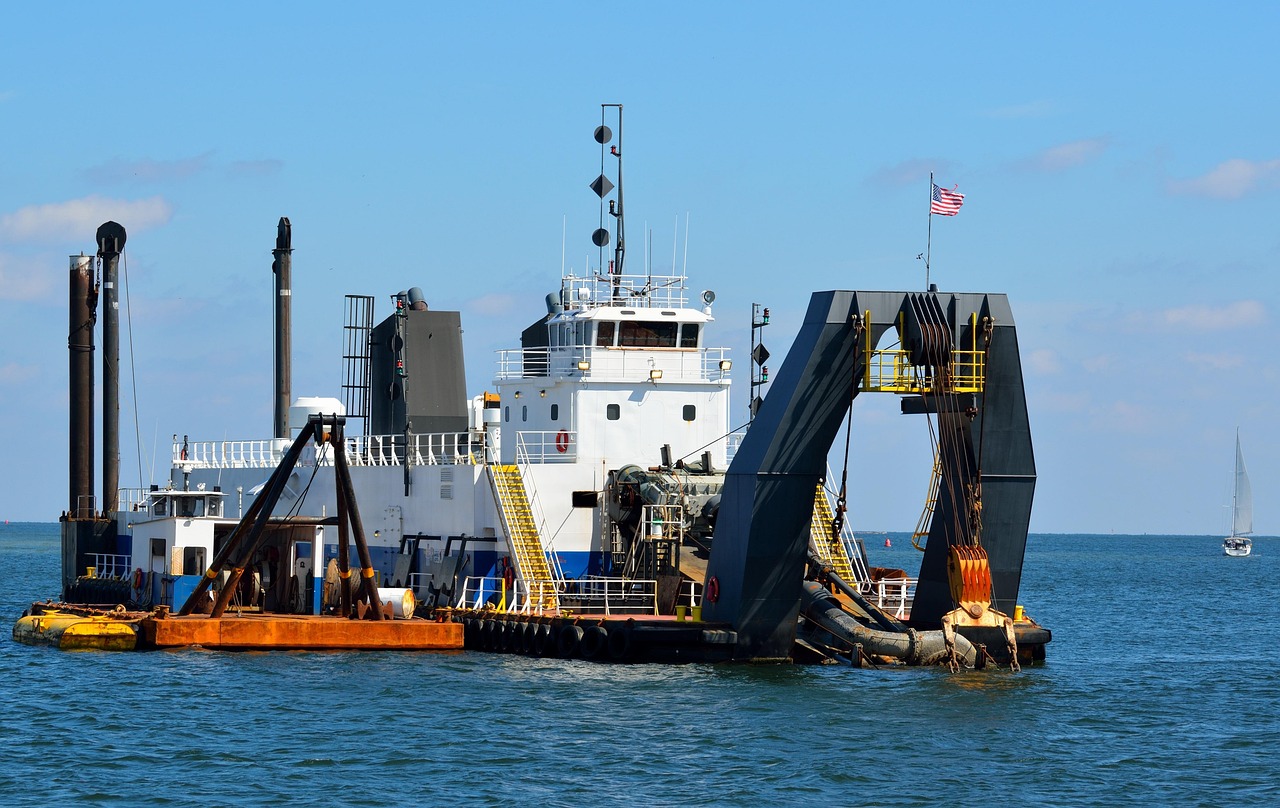
Hydraulic dredges are commonly used for lagoon cleaning because they pump sediment as a slurry through pipelines, making them versatile and efficient for various lagoon conditions. Cutterhead dredges, for example, feature a rotating cutter that breaks up compacted sediment, turning it into a slurry for pumping. They are capable of digging their own flotation in shallow water and can operate at depths ranging from 2 to 35 meters, making them suitable for larger lagoons with dense sludge. Hopper dredgers rely on suction with drag heads to loosen soft sediments and store the material in onboard hoppers. These units are highly mobile and are better suited for deeper water or lagoon environments that resemble marine conditions. Submersible dredges are small, fully underwater units designed for restricted or small lagoons. Their compact size and maneuverability allow them to handle viscous and abrasive sludge effectively and transport easily to remote sites. Floating dredges, mounted on pontoons, navigate lagoon surfaces to remove sediment precisely. Many floating dredges offer remote operation, which enhances safety and accuracy, especially in sensitive or environmentally protected lagoons. Each hydraulic dredge type offers unique features that address different lagoon sizes, sediment types, and site limitations, providing operators with flexibility to choose the best equipment for their specific needs.
Mechanical Dredging Options for Small Lagoons
Mechanical dredging involves using buckets, grabs, or excavators to physically scoop sediment from the lagoon bottom. This method is well-suited for small or shallow lagoons where hydraulic suction dredging is impractical due to limited depth or difficult access. Common equipment includes amphibious excavators, clamshell grabs, and dragline buckets, all designed to handle sediment removal in confined spaces. Mechanical dredges are generally simpler machines that require less specialized training to operate, making them accessible for smaller projects or emergency interventions. However, they tend to be slower and less mobile than hydraulic dredges, and their operation often causes more disturbance to the lagoon environment. Mechanical dredging is particularly effective when dealing with tough sediment layers, debris, or compacted materials that hydraulic dredges cannot efficiently break up. Since sediment is removed in solid form, it usually demands separate handling and disposal, which can add to project complexity. Additionally, mechanical dredging frequently requires temporary access roads or platforms near the lagoon edge to support heavy equipment, which may risk damage to lagoon banks if not carefully managed. This approach is often preferred when environmental regulations allow for more physical disturbance, or when urgent sediment removal is necessary. Despite its limitations in efficiency and potential environmental impact, mechanical dredging remains a practical solution for many small lagoon maintenance tasks where other methods fall short.
Features That Make Dredging Equipment Suitable for Lagoons
Dredging equipment designed for lagoon environments must meet several key criteria to handle the unique challenges presented by these sites. Compact and portable designs are essential, allowing for easy transport and deployment in tight or remote lagoon locations where access is limited. The equipment often features quick assembly and disassembly to further support operations in isolated areas. High-performance pumps play a critical role, as they need to manage abrasive and viscous sludge without clogging or requiring frequent maintenance, ensuring continuous operation during extended dredging campaigns. Remote control and automation enhance precision, enabling fine depth adjustments while reducing risks to operators by limiting their direct exposure to hazardous conditions. Durability is another vital aspect; materials and construction must resist corrosion and wear caused by harsh lagoon water and sediment, extending the service life of the machinery. Configurable setups allow operators to tailor equipment to various sediment types, lagoon sizes, and specific operational demands, improving efficiency and adaptability. To protect sensitive lagoon banks and aquatic habitats, dredges often incorporate low ground pressure or flotation systems that minimize physical disturbance. Powerful cutterheads and suction systems are designed to optimize sediment removal speed and effectiveness, especially when dealing with dense or compacted sludge layers. Easy maintenance features help reduce downtime and operational costs, while integrated safety measures like emergency stops, sensors, and alarms safeguard both personnel and equipment during dredging activities. Together, these features ensure that dredging equipment performs reliably, efficiently, and responsibly within the delicate lagoon environment.
Best Techniques to Minimize Environmental Impact
Minimizing environmental impact during lagoon dredging starts with thorough pre-dredging assessments, including sediment sampling and ecological surveys. These evaluations help identify sensitive habitats and contaminants, allowing for informed planning. Using silt curtains or turbidity barriers is an effective way to contain disturbed sediments, reducing the spread of plumes that can harm aquatic life. Scheduling dredging activities outside sensitive periods, such as fish spawning or bird nesting seasons, avoids disrupting critical wildlife cycles. Operating dredges at slow, controlled speeds helps limit sediment resuspension and turbidity peaks, which can otherwise degrade water quality. Employing remote monitoring tools like turbidity sensors and underwater cameras allows real-time adjustments to dredging operations, ensuring environmental thresholds are maintained. Choosing dredging equipment designed for low vibration and noise reduces stress and disturbance to nearby wildlife. After dredging, sediment dewatering techniques like geotextile bags or belt presses reduce the volume and risk of runoff from disposal sites. Where safe, reusing dredged material as landfill cover or agricultural amendments supports sustainability and waste reduction. Prompt restoration of lagoon banks and vegetation helps prevent erosion and preserves habitat integrity. Throughout the project, maintaining clear communication with environmental regulators and stakeholders ensures compliance and fosters collaboration for better outcomes.
Frequently Asked Questions
1. What are the main types of equipment used for lagoon dredging, and how do they differ in application?
The primary lagoon dredging equipment includes mechanical dredgers like excavators and clamshell buckets, hydraulic dredgers such as cutter suction and trailing suction dredgers, and pneumatic dredgers. Mechanical dredgers are best for precise excavation in smaller areas, hydraulic dredgers handle larger volumes efficiently by pumping sediment through pipelines, and pneumatic dredgers use air to lift sediments, mostly for softer materials.
2. How do environmental conditions influence the choice of dredging techniques in lagoon maintenance?
Environmental factors like water depth, sediment type, and surrounding ecosystems affect dredging approach. For example, delicate ecosystems require low-disturbance methods like hydraulic dredging with silt curtains to minimize turbidity. In shallow lagoons with dense vegetation, mechanical dredging might be preferred for targeted removal. Understanding these helps balance operational effectiveness with environmental protection.
3. What are the key challenges in maintaining lagoon depth and water quality through dredging?
Maintaining lagoon depth and water quality involves managing sediment buildup, controlling turbidity, and preventing disruption to aquatic life. Challenges include accurately locating sediment deposits, avoiding excessive sediment suspension during dredging, and ensuring that removed material is disposed of properly. Regular monitoring and adaptive techniques help address these issues effectively.
4. How does sediment composition affect the selection of dredging equipment and disposal methods?
Sediment properties like grain size, contamination levels, and moisture content dictate dredging methods and disposal. Coarse or compacted sediments often require mechanical dredgers, while fine or fluid sediments suit hydraulic dredgers. Contaminated sediments need special handling and containment during disposal to prevent environmental hazards, sometimes demanding dewatering or treatment before release.
5. What advancements in lagoon dredging technology have improved efficiency and environmental safety?
Recent improvements include automation in dredging operations for precise control, real-time monitoring sensors for turbidity and sediment movement, and eco-friendly dredging tools designed to reduce wildlife disturbance. Additionally, innovations in sediment management, like beneficial reuse and better containment systems, enhance both efficiency and environmental protection during dredging projects.
TL;DR Lagoon dredging is vital for maintaining water quality, storage capacity, and environmental compliance by removing sediment and sludge buildup. This guide covers key equipment options like hydraulic (including cutterhead, hopper, submersible, and floating dredges) and mechanical dredges, highlighting their suitability based on lagoon size and conditions. Challenges include limited access, sensitive ecosystems, and sediment variability, which require specialized, durable equipment with features like remote control and corrosion resistance. Effective dredging involves careful planning, minimizing environmental impact using techniques like silt curtains, and proper sediment handling. Equipment size depends on factors such as sediment volume and pump distance. Case studies show advances like EDDY Pumps improve efficiency and reduce maintenance. Overall, selecting the right tools and methods ensures lagoon longevity, regulatory compliance, and cost savings.