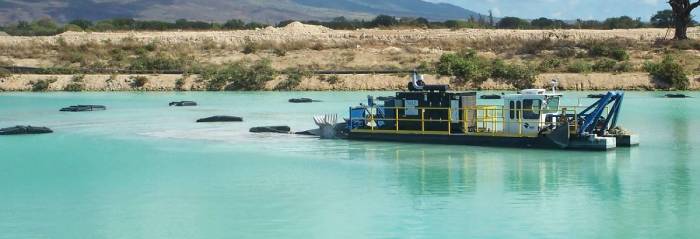
A hydraulic dredge is powerful equipment used to remove soil, sand, or silt from the bottom of rivers, lakes, and ports. It mixes this material with water to form a slurry and pumps it through a pipeline to another location. For Indian investors, understanding this simple idea opens doors to infrastructure, mining, and real estate opportunities.
Across India, ports, inland waterways, industrial ponds, and reservoirs all need regular cleaning. A well-chosen hydraulic dredge can speed up these projects, control costs, and support long-term development. When you know how these systems work, you can judge tenders, evaluate contractors, or even set up your own dredging venture.
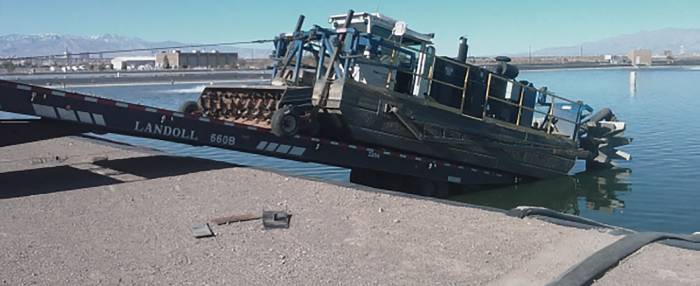
How a Hydraulic Dredge Works in Simple Terms
The core of any hydraulic dredge is the dredge pump. This pump sucks in a mix of water and sediment, called slurry, from the waterbed. A rotating cutter head or jet of water helps loosen the soil so the pump can handle it smoothly.
The slurry then flows through a pipeline dredging system to a disposal or reuse site. This could be a containment area on land, a settlement pond, or even a reclamation site where new land is created. Because the transport is through pipelines, the process is continuous, controlled, and usually more efficient than mechanical digging.
Main Types of Hydraulic Dredges
For investors, it helps to know the common categories of sediment removal equipment you will hear about in project proposals.
Cutter Suction Dredge
This type uses a rotating hydraulic cutter head at the front. It cuts and loosens compact clay, packed sand, or even light rock. The pump then sucks the slurry and sends it through the pipeline.
Cutter suction dredges are ideal for port deepening, river training, and large land reclamation works. If you see long-term government projects in coastal states, this is usually the key machine at work.
Plain Suction or Pipeline Dredge
Here, there is no rotating cutter. The intake head simply sucks in loose material such as soft silt or fine sand. These units are perfect for desilting lakes, reservoirs, or industrial ponds where the soil is not very hard.
For Indian cities facing regular flooding due to silted drains and lakes, these pipeline dredges can be part of a cost-effective urban solution.
Submersible Pump and Jet Dredge
Some smaller systems use a submersible pump placed directly under water along with water jets that stir up the bed. They are compact and flexible, useful in tight spaces, small ponds, or where access for bigger vessels is limited.
These are often chosen for industrial pond cleaning, mining pits, and similar focused underwater excavation jobs.
Why Many Projects Prefer Hydraulic Dredging
Compared to mechanical methods, where excavators or buckets lift material in batches, hydraulic dredging focuses on continuous slurry flow. This brings several advantages:
- Higher production: Continuous pumping can move large volumes every hour.
- Long-distance transport: Pipelines can carry slurry over kilometres without extra trucks.
- Cleaner site: Less need for heavy traffic on local roads, which keeps communities happier.
- Better control: Operators can fine-tune depth, flow rate, and sediment concentration.
For investors, this often means predictable timelines and easier cost planning. When you compare bids, check the proposed production rate and fuel consumption of the dredge, not just the headline project cost.
Key Factors Indian Investors Should Check Before Backing a Dredging Project
Whether you are funding a port expansion, a sand mining lease, or a lake restoration, these points matter:
- Sediment type: Is it soft silt, medium sand, or stiff clay? Harder soils usually require a stronger cutter suction dredge and higher power costs.
- Required depth: Deeper work needs more pump power and stronger pipeline systems.
- Disposal distance: Longer pipeline = higher energy use and higher project cost.
- Environmental rules: Many projects must follow environmental dredging best practices such as controlled turbidity and careful disposal plans.
- Support equipment: Booster pumps, survey boats, and dewatering areas all add to budget and timelines.
Investors can also gain from understanding supporting technologies. For example, some projects use a separate dredge booster pump to maintain pressure in long pipelines. You can learn more about this approach in this guide on why booster pump quality matters in dredging projects.
Practical Opportunities in India
India has a long coastline, many major rivers, and a rapidly growing network of inland waterways. All of these need regular desilting for safe navigation. Urban lakes in cities like Bengaluru or Hyderabad also face heavy silt build-up and pollution, creating space for environmental cleanup projects.
There are also mining and industrial uses. Tailings ponds, ash ponds, and process water lagoons must be managed regularly for safety and regulatory compliance. A well-planned slurry dredging setup can turn a recurring problem into a structured, profitable service business.
If you want a deeper dive into pond and lake projects, you may find it useful to read about essential techniques for industrial pond dredging, which explains typical methods and benefits in more detail.
Cost and ROI Considerations
When you analyse the cost of a hydraulic dredge project, focus on total life-cycle value, not only rental or purchase price. Key cost drivers include diesel or power consumption, crew size, maintenance, and time required to complete the job.
A reliable dredge that runs efficiently with minimal downtime can move more cubic metres per day. This spreads fixed costs over higher output and improves margins. For long-term concessions or recurring municipal contracts, solid equipment often pays back faster than cheaper, unreliable options.
Basic Maintenance Tips Investors Should Expect from Operators
You do not need to be a technician, but it is wise to know what good practice looks like. Responsible operators typically:
- Inspect the dredge pump and pipeline daily for leaks or unusual noise.
- Check wear parts in the cutter head and replace them before failure.
- Monitor slurry density so the system is neither overloaded nor running inefficiently light.
- Follow proper greasing, oil-change, and filter schedules.
When contractors share regular performance reports and maintenance logs, it is a positive sign for long-term project success.
FAQs about Hydraulic Dredging for Indian Investors
1. What is the main difference between a hydraulic dredge and a mechanical dredge?
A mechanical dredge uses buckets, grabs, or excavators to lift material in batches and load it into barges or trucks. A hydraulic dredge, on the other hand, creates a slurry and pumps it through a pipeline continuously. This continuous flow is often more efficient for large volumes, long transport distances, or sensitive areas where truck traffic needs to be reduced.
2. Is hydraulic dredging suitable for small lakes or only for big port projects?
Hydraulic systems can be scaled. Large cutter suction dredges work well in ports and rivers, while smaller submersible or plain suction units are ideal for lakes, industrial ponds, and reservoirs. For a small urban lake, a compact setup with a shorter pipeline can still be economical if planned well.
3. How can I estimate whether a dredging project will be profitable?
Start with the total volume of material, transport distance, project duration, and disposal or reuse plan. Ask for the proposed daily production rate and fuel consumption of the hydraulic dredge. Compare the total project revenue with estimated fuel, labour, maintenance, and finance costs. If the contractor provides clear, data-backed projections, it becomes much easier to judge the potential return on investment.

Victor Hearns is an American multi-genre writer. He is best known as the author of two series of some popular books. Victor was born in Jacksonville, FL but grew up in California with her grandmother. Her education includes degrees in English and Biology from Stanford University. In her free time, he helps people around the globe to live healthier & joyful life.