
Keeping up with building rules is one of the toughest parts of any real estate project. For Indian investors working across states or with NRI partners abroad, it can feel even more complex. This is where smart, online tools called digital building regulation solutions come in and turn a stressful task into a smooth, trackable process.
These platforms bring building codes, design checks, approvals and project documents into one simple digital system. Instead of running around for files and signatures, you manage most steps on your laptop or phone. Used well, they can save you time, reduce risk and protect your returns.
This guide explains how these tools work, the key features to look for, and how Indian investors and developers can use them to stay compliant, efficient and profitable.
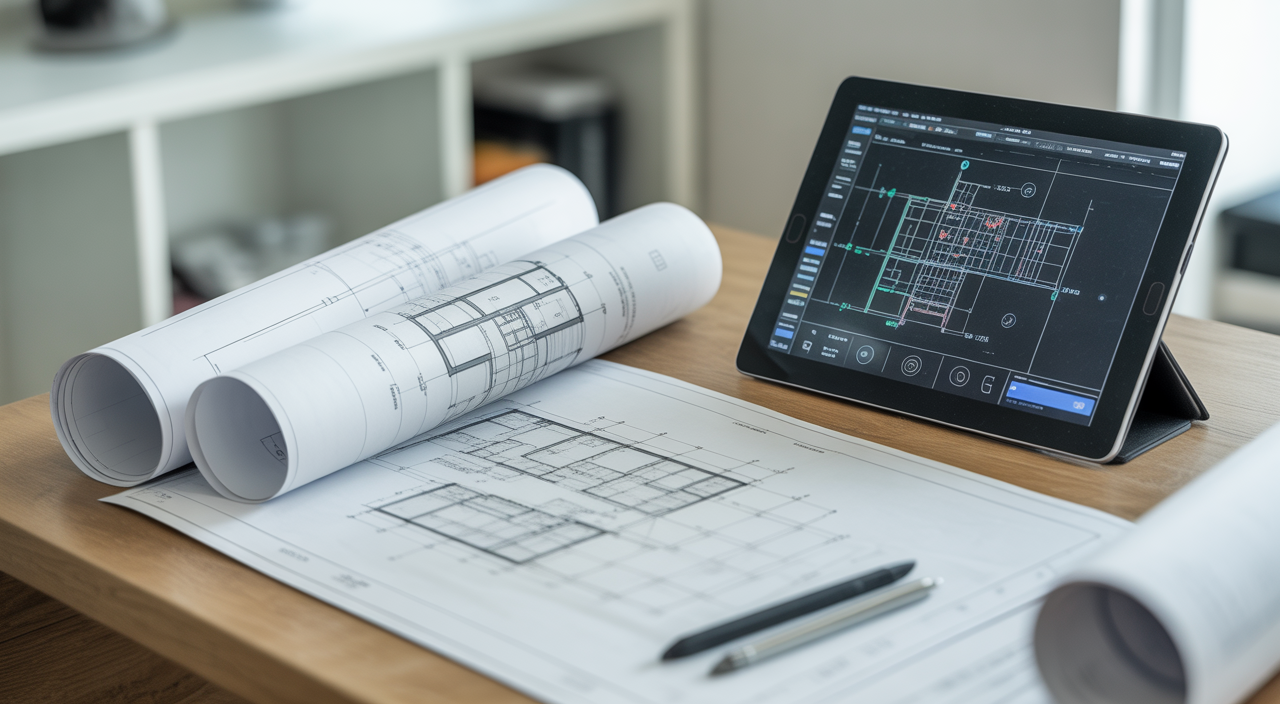
What Are Digital Building Regulation Solutions?
Digital building regulation solutions are online platforms that help you follow local building rules and standards. They combine software, cloud storage and smart workflows to guide your project from design to completion while staying compliant.
In simple terms, they help you:
- Understand which building rules apply to your project
- Check drawings against relevant codes automatically
- Store all approvals, revisions and site records in one place
- Generate clear reports for authorities, lenders and buyers
Many of these tools also work smoothly with BIM (Building Information Modelling) and CAD design files, so architects and engineers can run compliance checks while they design.
Why Manual Compliance Holds Back Indian Real Estate Projects
In India, each city or state can have slightly different development rules. On top of that, you must deal with fire safety norms, environmental rules, accessibility standards and more. When this is handled through paper files, emails and verbal updates, three problems appear.
- Delays: Approvals take longer because drawings need repeated manual checking and corrections.
- Errors: It is easy to miss a code update or lose a document, which can lead to rework.
- Poor visibility: Investors often do not have a quick, clear view of where the project stands in the approval pipeline.
Digital platforms fix this by giving you one “source of truth” for all compliance information. That transparency is very valuable when you are managing multiple projects or working with partners overseas.
Key Features To Look For
Before choosing any building compliance tool, check for these practical features that help both technical teams and investors.
1. Automated Code Checks
Good solutions let you upload your plans and automatically check them against selected building codes. This is sometimes called building code automation or automated regulation checks.
For Indian use, you may need tools that can be customised to:
- Local development control regulations
- National Building Code references
- Special zone rules such as coastal or heritage areas
Even if the system does not cover every tiny clause, early digital checks catch most common issues and cut down on redesign time.
2. Strong Version Control and Audit Trail
A powerful feature is complete tracking of every change, approval and comment. This is called a compliance audit trail.
With proper electronic building control, you can see:
- Who changed which drawing and when
- Which version was submitted to which authority
- What feedback came back and how it was handled
This is useful in India where multiple consultants, government departments and lenders may look at the same project over several years.
3. BIM and CAD Integration
If your architect uses BIM or CAD tools, look for platforms that plug directly into those workflows. BIM regulation software lets designers test compliance while they draw, instead of waiting till the end.
That means fewer surprises, faster approvals and designs that are “regulation-ready” from day one. It also boosts buyer confidence when you present a clean, digital record of how the project meets required standards.
4. Cloud-Based Access and Simple Dashboards
Cloud-based building control means your team can log in from anywhere and see the same updated information. This is ideal if you live in one city, the project is in another, and your partners or lenders are abroad.
Look for dashboards that show at a glance:
- Which approvals are pending
- Key risk points and deadlines
- Compliance status of each building or phase
For investors, this turns complex technical progress into simple, visual signals that help you make faster decisions.
5. Digital Permits Workflow
Some platforms support an end-to-end digital permits workflow. They help prepare documents, track submissions and store final certificates safely. When you later apply for refinancing or sale, everything is ready to share.
This approach is similar to how modern lenders streamline loan processing. If you want to understand structured processes and documentation in another field, this guide on how home loan documentation is organised is a useful example.
Benefits For Indian Investors
For Indian real estate investors, especially those funding multiple projects, the gains can be very clear.
- Faster approvals: Automated checks and clear formats often reduce back-and-forth with authorities.
- Lower risk: Strong construction code management reduces the chance of non-compliance issues later.
- Better exit value: Buyers and institutional investors like well-documented properties with transparent compliance history.
- Easier monitoring: You can check progress without chasing updates through calls and emails.
In a market where trust is key, presenting organised digital records can set your project apart from competitors who still depend only on paper files.
How To Choose The Right Platform
When you shortlist digital building solutions, use this simple checklist.
- Local customisation: Can it be adapted to Indian codes and city rules?
- Data security: Does it protect drawings and documents with strong encryption and user controls?
- Ease of use: Can non-technical team members understand the interface quickly?
- Integration: Does it work with your existing BIM/CAD tools and document systems?
- Support and training: Is there clear onboarding, videos and responsive support?
- Scalability: Will it handle more projects as your portfolio grows?
- Clear pricing: Is the cost structure transparent for both small and large teams?
It also helps to compare this software decision with other physical safety investments. For example, when selecting secure entry options, buyers look at durability, design and testing standards, as explained in this guide to designing a stylish yet secure custom door. In the same way, your compliance platform should combine strength, flexibility and long-term value.
Practical Steps To Get Started
To begin using digital regulation tools on your next project, you can follow these steps.
- Discuss with your architect and project manager which platform fits their workflows.
- Start with one pilot project and digitise all its approvals and site records.
- Set simple rules such as “no approvals outside the system” so everything stays centralised.
- Track how much time and rework you avoid across design and approval stages.
- Use the data to refine your process and then roll it out across more projects.
Within one or two projects, you will see if the tool supports your way of working and whether it justifies the investment.
FAQs About Digital Building Regulation Solutions
Q1. Are digital regulation platforms useful for small residential projects in India?
Yes. Even for smaller projects, a simple smart compliance platform reduces confusion, keeps documents safe and speeds up decision-making. You may not need every advanced feature, but digital storage, version control and basic code checks are still very helpful.
Q2. Do these tools replace local architects or legal advisors?
No. These platforms are support tools, not replacements for professional judgment. Your architect, structural engineer and legal team still interpret local rules and confirm final compliance. The software simply makes their work faster, clearer and easier to track.
Q3. Can NRIs use these systems to monitor Indian projects from abroad?
Yes. That is one of the biggest advantages. Because most solutions are cloud based, NRIs can log in, review approvals, see updated drawings and follow the digital permits workflow without visiting India frequently. This builds confidence and improves communication with on-ground teams.
Q4. How do I know if my data is safe on such platforms?
Before choosing any service, ask for details on encryption, backup policies, access controls and data storage locations. Also check if they follow recognised security standards. A strong focus on data protection is a good sign of a mature, reliable solution.

Victor Hearns is an American multi-genre writer. He is best known as the author of two series of some popular books. Victor was born in Jacksonville, FL but grew up in California with her grandmother. Her education includes degrees in English and Biology from Stanford University. In her free time, he helps people around the globe to live healthier & joyful life.