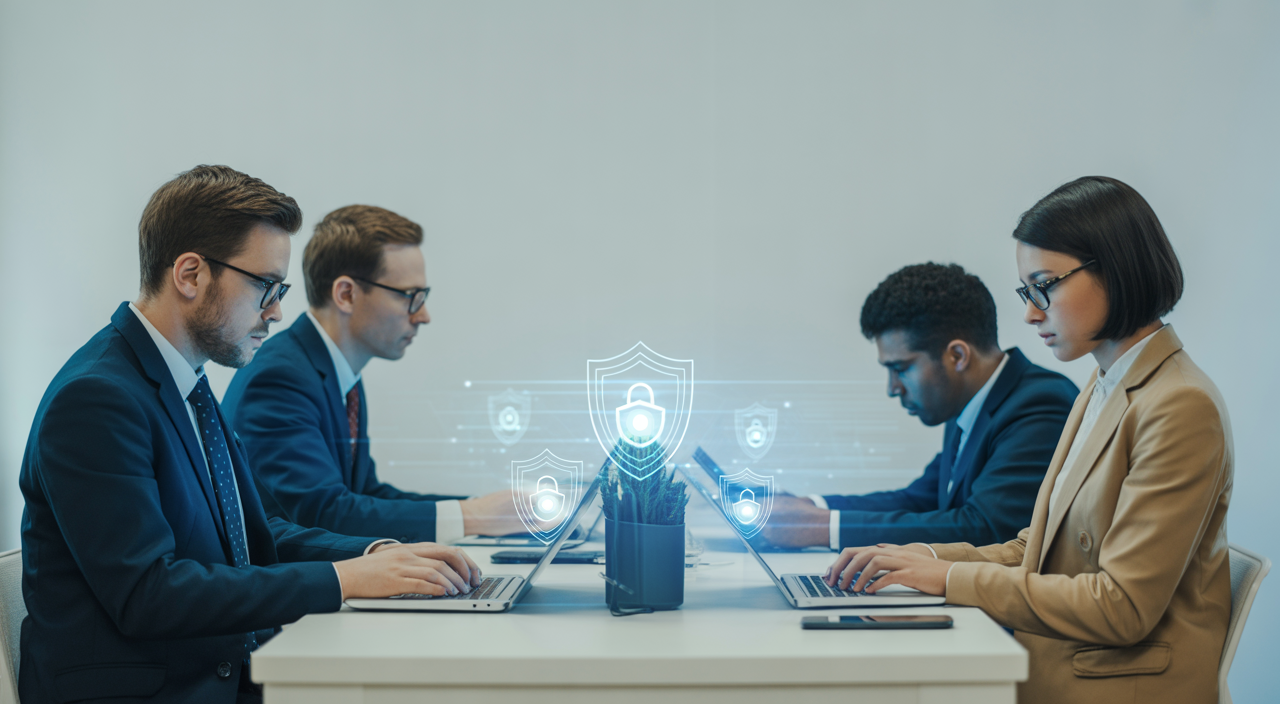
Why are cybersecurity services for small business now a must-have, not a luxury?
Clients trust you with their money, data, and personal details. One mistake can damage that trust and slow your growth. That is why reliable cybersecurity services for small business are now as important as your accountant or your main supplier.
For Indian investors and founders, this is even more important. Many startups and SMEs work with overseas clients who expect strong data protection. Good security helps you win contracts, close deals faster, and look professional in global markets.
This guide breaks down the key cybersecurity services you need, how to choose the right provider, how much to budget, and how to show clear returns on every rupee you spend.
1. Understanding the Cyber Threat Landscape for Small Businesses
Why are small businesses attractive targets?
Attackers know that small firms often have weaker security and no in-house expert. Yet you still handle valuable data such as payment details, ID proofs, and confidential client files. That combination makes you a soft but profitable target.
Also, many Indian SMEs are part of global supply chains. A criminal may target your systems to reach a larger company you work with. If you show strong security, you become a trusted partner instead of a weak link.
Common attack methods to watch
Phishing: Fraud emails or messages that trick staff into sharing passwords or clicking bad links. These are getting smarter and often look like real bank or vendor messages.
Ransomware: Malware that locks your files and demands payment. Without backup and quick response, operations can halt for days.
Insider mistakes: Not every problem is caused by a criminal. A stressed employee can send a file to the wrong person or reuse a weak password on many sites.
2. Key Cybersecurity Services Every Small Business Needs
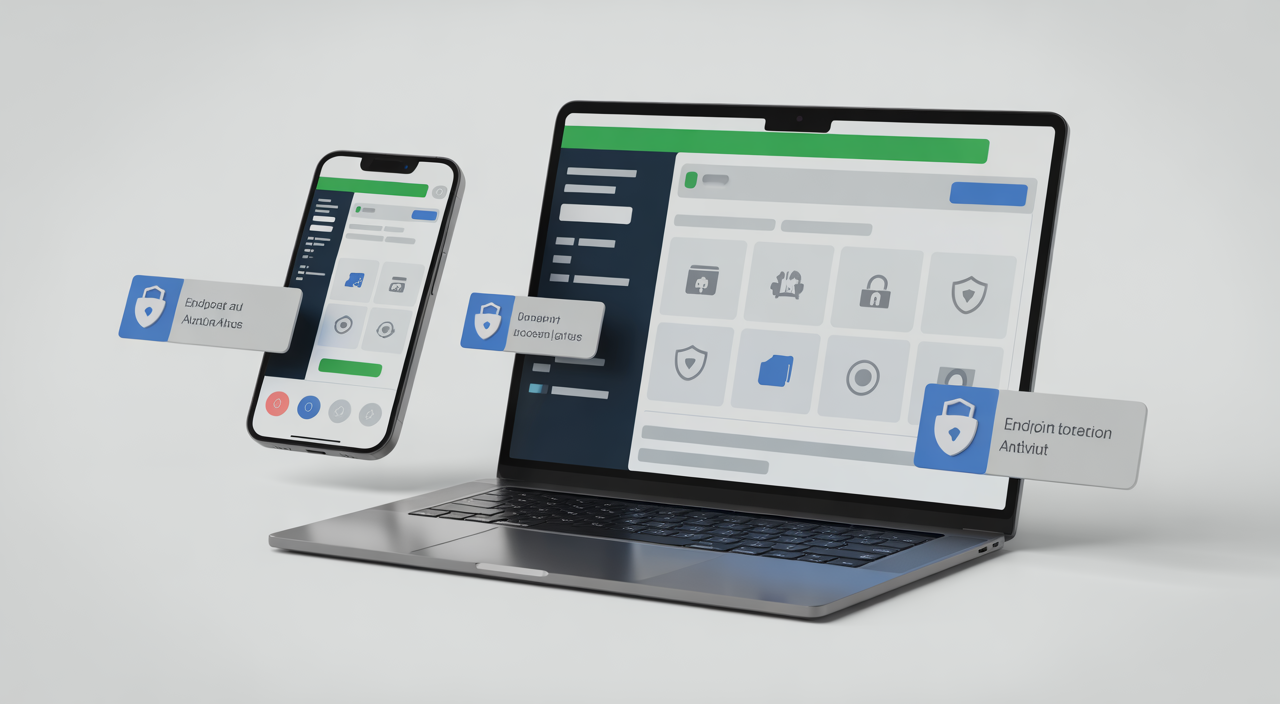
Endpoint protection and antivirus
Endpoints are devices like laptops, desktops, tablets, and mobiles. Endpoint protection keeps them safe from viruses, spyware, and unsafe apps. Modern tools also block unknown threats using behaviour analysis, not just signature-based scanning.
For remote teams in India working on personal devices, a cloud-based endpoint protection service is ideal. It is simple to deploy, low on hardware needs, and easy to manage from one dashboard.
Network security and firewalls
A firewall is like a security gate for your internet traffic. It filters bad connections and blocks suspicious visitors. Advanced firewalls can also detect risky apps, restrict access to certain sites, and guard your local network and cloud connections.
For multi-branch businesses or co-working spaces, network security for SMB should include secure Wi-Fi, separate guest networks, and encryption for data moving between locations.
Email security and anti-phishing
Email is still the number one way attacks start. Email security tools filter spam, detect fake senders, and scan attachments and links for malware. Many services also add warning banners on risky messages.
Combine tools with training so staff know how to spot a suspicious email, even if it slips through filters.
Security monitoring and incident response (MDR)
Managed Detection and Response (MDR) gives you a “security control room” without hiring a full-time team. Specialists monitor your systems 24/7, spot unusual activity, and respond quickly to threats.
For growing SMBs, this is one of the most valuable IT security services for SMB. It reduces breach impact and gives you peace of mind while you focus on sales, operations, and product development.
Data backup, recovery, and business continuity
A good backup strategy means your data is copied, encrypted, and stored in more than one location. If a system fails or you face ransomware, you can restore data and keep working.
Check that your provider offers automatic backups, regular restore testing, and a clear recovery time. This supports business continuity so clients see minimal disruption.
3. How to Choose the Right Cybersecurity Services Provider
Check certifications and compliance expertise
A strong provider understands global and local rules like PCI DSS for card payments or healthcare data standards. For professional services or export-focused companies, this is essential to win and keep international clients.
Ask for certifications of their team and tools. Also ask how they help customers prepare for audits or answer security questions from clients.
Pricing models and simple ROI math
Most SMB cybersecurity services use one of these models:
- Per device per month
- Per user per month
- Bundled packages (basic, standard, premium)
To see ROI, compare annual security spend with potential loss from a breach. Loss can include downtime, penalties, refunds, and lost deals. Even preventing one serious incident often covers several years of service fees.
Scalability and support
Your provider should scale smoothly from 5 to 100+ users as your business grows. Look for 24/7 monitoring, clear SLAs (service level agreements), and local or regional support that understands Indian conditions such as power cuts and low-bandwidth areas.
4. Building Your Small Business Cybersecurity Roadmap
Step 1: Conduct a risk assessment
Start with a simple cyber risk assessment tool or checklist. Map your critical systems, data types, and current controls. Identify which areas, if attacked, would hurt your revenue, client trust, or compliance the most.
Step 2: Prioritise high-value assets
Give top protection to systems that store customer data, payment info, and trade secrets. That is where you apply stronger controls like multi-factor authentication, strict access rules, and more frequent monitoring.
Step 3: Implement in phases
You do not need everything on day one. Phase your cybersecurity services for small business in this order:
- Endpoint and email security
- Backups and recovery
- Network firewalls and secure remote access
- 24/7 monitoring and MDR
Step 4: Train your team
Employee cybersecurity training for small business is one of the best low-cost defences. Short, regular sessions teach staff how to use strong passwords, avoid phishing links, and report strange activity quickly.
5. Compliance and Cybersecurity Insurance
Key regulations for SMBs
Depending on your clients and sector, you may need to meet international standards or clauses in client contracts. Good small business compliance solutions help you maintain logs, policies, and reports that prove your controls are in place.
This builds trust with investors, banks, and large enterprise customers.
Do you need cybersecurity insurance?
Cybersecurity insurance for small business helps cover costs if you face a breach, such as legal help, notifications to customers, and some recovery expenses. It is not a replacement for good security but a safety net.
Insurers often offer better rates when you already have solid controls and monitoring, as risk is lower.
6. Quick Case-Style Examples
Retail example: A local fashion brand selling online uses MDR and strong endpoint protection. When an attacker tried to use stolen passwords, the system blocked access and alerted support. No data was lost and the store stayed open.
Professional services example: A consulting firm handling overseas clients implemented secure backups, email security, and staff training. They passed a client security review on the first try, helping them close a multi-year contract.
7. Budgeting and ROI for Indian Businesses
Depending on size and risk, many SMBs set aside 5–10% of their IT budget for security. You can adjust this, but make sure at least the basics are covered.
Track ROI with simple metrics such as fewer malware incidents, reduced downtime, faster response times, and improved success in client security questionnaires.
8. Next Steps to Get Started
Begin with a clear risk assessment, then phase in endpoint, email, backup, and monitoring services. If you already work with a managed IT provider, ask how they can strengthen your small business threat detection and response plan.
For broader protection of your office environment, you may also explore tools like video surveillance and physical security solutions, along with digital safeguards. Business-focused guides such as this overview of managed service strategies for technology can help you design a complete protection plan.
Done right, cybersecurity becomes a growth enabler. It protects your reputation, supports global expansion, and makes your company a safe choice for customers and investors.
FAQs
Q1. How much should a small business in India expect to spend on cybersecurity each month?
Costs vary by size and risk, but many SMEs start around a few hundred to a few thousand rupees per user per month for a basic stack that includes endpoint, email security, and backup. Adding 24/7 monitoring or MDR increases cost but also greatly reduces breach impact.
Q2. Is basic antivirus enough for remote teams?
No. Traditional antivirus alone does not cover phishing, cloud apps, or unsafe Wi-Fi. Remote teams should have modern endpoint protection, email filtering, secure VPN or zero-trust access, and regular training so employees can work safely from any location.

Victor Hearns is an American multi-genre writer. He is best known as the author of two series of some popular books. Victor was born in Jacksonville, FL but grew up in California with her grandmother. Her education includes degrees in English and Biology from Stanford University. In her free time, he helps people around the globe to live healthier & joyful life.