Is your wastewater lagoon losing capacity? Are rising operational costs and strict environmental rules causing you problems? Many facilities face these challenges daily. They struggle with built-up sludge that reduces efficiency and impacts compliance. But there’s a powerful solution for managing this silent threat: a wastewater dredge. This specialized equipment is changing how we handle sludge, making operations smoother and more sustainable.
Sludge accumulation is a big problem in wastewater treatment. Over time, solids settle at the bottom of ponds, lagoons, and tanks. This buildup takes away valuable space. It reduces how much water your system can treat. It also lowers the overall efficiency of your plant.
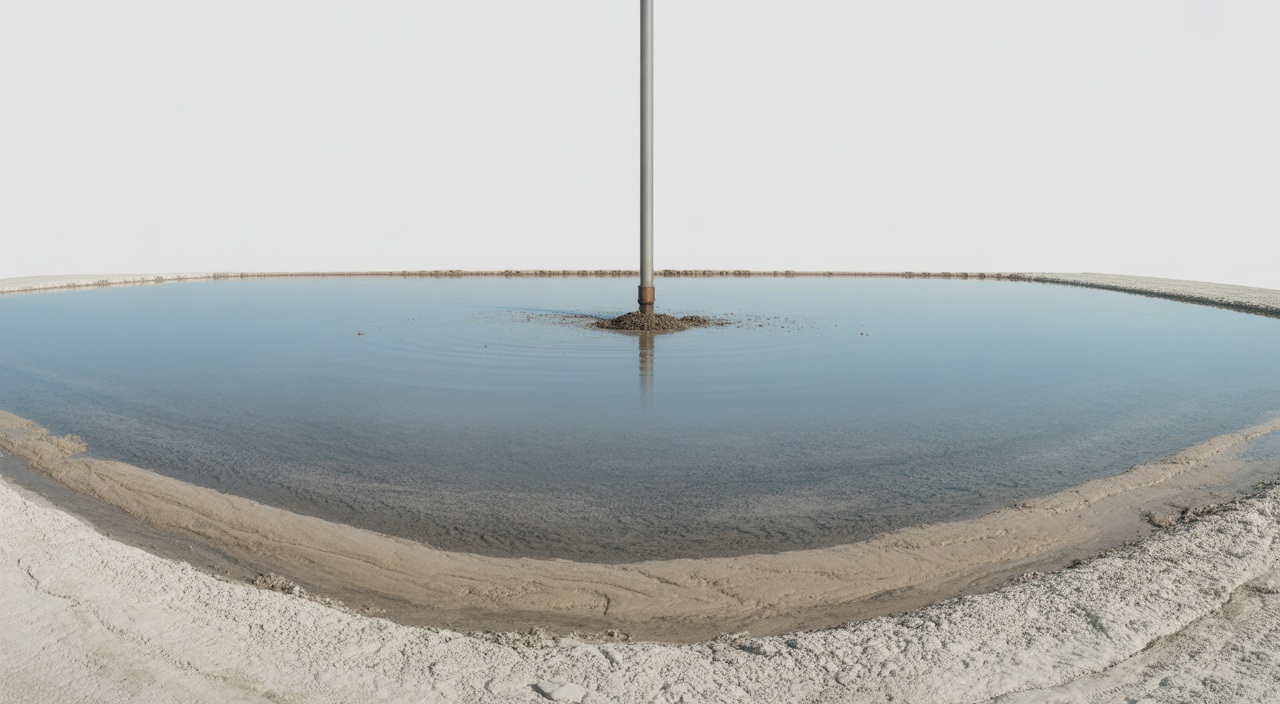
Old methods of removing sludge are often costly and disruptive. They can involve shutting down operations. This leads to downtime and lost productivity. Plus, safety is a major concern when workers have to enter hazardous environments. This is where advanced solutions like a wastewater dredge become essential.
Demystifying the Wastewater Dredge: Your Key to Sustainable Sludge Removal
What Exactly is a Wastewater Dredge?
Simply put, a wastewater dredge is a machine designed to remove settled solids, or sludge, from water bodies. Think of it like a powerful underwater vacuum cleaner. But it’s built to handle thick, heavy sludge found in wastewater systems. These machines work in ponds, lagoons, and even industrial tanks.
The Mechanics: How These Machines Tackle Tough Sludge
A typical wastewater dredge has a few main parts. First, there’s a powerful pump that sucks up the sludge. It also has a special cutting head or agitator. This tool loosens the packed sludge at the bottom. The dredge moves across the water body, gathering material. It then pumps the sludge away through pipes to a dewatering area or another treatment stage.
Modern dredges are often remote-controlled or even automated. This means operators can work from a safe distance. It reduces risks and improves efficiency. The process is clean and controlled, preventing further pollution.
From Pond to Pipe: The Journey of Dredged Sludge
Once the sludge is loosened and sucked up, it travels through durable pipes. These pipes carry the slurry (a mix of solids and water) to a processing area. Here, the water can be separated from the solids. This makes the sludge easier and cheaper to handle or dispose of. The goal is to remove the unwanted material without disrupting the environment.
Beyond Traditional Methods: The Unmatched Advantages of Wastewater Dredging
Why choose dredging over other sludge removal options? The benefits are clear and impactful. Dredging offers a more effective, safer, and often more economical way to manage sludge.
Restoring Capacity & Optimizing Efficiency
Sludge takes up space. By removing it, you directly increase the holding capacity of your lagoons and ponds. This means your facility can handle more wastewater. It improves overall treatment efficiency. You can restore up to 100% of your lost capacity.
Cost Savings & Reduced Operational Expenses
Traditional methods like manual excavation are labor-intensive and expensive. They often require extensive downtime. A specialized wastewater dredge operates continuously. It reduces labor costs and minimizes disruptions. This leads to significant long-term savings on maintenance and operational expenses. It’s an investment that pays off quickly.
Enhanced Safety for Personnel
Wastewater environments can be dangerous. They contain harmful gases and bacteria. Dredges that can be operated remotely keep workers out of harm’s way. This greatly improves safety for your team. There’s less need for confined space entry and risky manual labor.
Environmental Compliance & Sustainable Practices
Environmental regulations are getting stricter. Efficient sludge removal helps you meet discharge limits. It prevents overflows and contamination. Modern dredging techniques also minimize turbidity, which means less disturbance to the water and surrounding ecosystem. This supports more sustainable operations.
Minimizing Downtime and Operational Disruption
Many dredging systems can work without requiring you to completely shut down your facility. This means continuous operation. Your treatment processes remain active while sludge is being removed. This minimizes lost productivity and avoids costly interruptions.
Finding Your Fit: Different Dredges for Diverse Wastewater Challenges
Not all sludge is the same, and neither are all wastewater systems. That’s why different types of dredges exist. Choosing the right one is key to a successful project.
Hydraulic Dredges for Sludge Removal
Most wastewater applications use hydraulic dredges. These machines use a powerful pump to move a mix of water and solids (slurry). They are ideal for liquid-like sludge and soft sediments. They are very efficient for pumping material over long distances through pipes.
Mechanical vs. Hydraulic: Which is Right for Wastewater?
Mechanical dredges use buckets or grabbers to scoop up material. While good for very dense, heavy debris, they are less common for typical wastewater sludge. Hydraulic dredges are usually preferred. They offer more precise control and less disturbance to the water column. They are perfect for handling the varied industrial pond dredging needs.
Key Applications: Where Wastewater Dredges Make a Difference
A wastewater dredge is a versatile tool. It is used in many different settings:
- Municipal Wastewater Treatment Plants (WWTPs): Essential for maintaining lagoons, clarifiers, and equalization basins.
- Industrial Process Ponds: Used in industries like pulp and paper, food processing, and chemical manufacturing to remove process waste.
- Mining Tailings Ponds: Helps manage the slurry and sediment in mining operations.
- Agricultural Lagoons: Cleans out waste from livestock operations.
- Power Plant Cooling Ponds: Removes sediment and organic buildup that can impact cooling efficiency.
For a detailed look at our specialized wastewater dredge solutions for various applications, visit our service page: Water and Wastewater Dredging.
Your Guide to Selection: Factors for a Successful Dredging Project
Choosing the best dredge involves careful thought. Consider these important points to ensure your project succeeds.
Sludge Characteristics (Viscosity, Solids Content, Abrasiveness)
The type of sludge matters. Is it thick and gooey, or more watery? Does it contain abrasive materials like sand? The dredge’s pump and cutter head must be designed to handle your specific sludge effectively.
Pond/Lagoon Size & Depth
The size and depth of the water body will dictate the size and reach of the dredge needed. A small pond requires a different machine than a large, deep lagoon. Mapping the area precisely is important.
Site Access & Logistical Challenges
How easy is it to get the dredge to the site? Are there any barriers or remote locations? Consider the logistics of transporting the equipment and setting it up.
Regulatory Requirements & Environmental Sensitivities
Understand local environmental laws. Permitting for dredging projects can vary. Also, consider any sensitive wildlife or plant life around the water body that needs protection during the operation.
Budget & Expected Return on Investment (ROI)
Naturally, cost is a factor. Look at the upfront investment versus the long-term savings. Consider reduced operational costs, increased capacity, and avoided penalties from non-compliance. A good dredging solution provides a strong return on your investment.
Technology & Automation Capabilities
Modern dredges offer advanced features. These include remote control, GPS positioning, and automated operation. These technologies enhance precision, safety, and efficiency. They are worth considering for complex or long-term projects.
The Mudcat Difference: Precision, Efficiency, and Reliability
When it comes to wastewater sludge removal, innovation is key. Companies that focus on advanced technology and reliable performance lead the way. They provide solutions that truly make a difference for plant operators.
Cutting-Edge Technology for Unmatched Performance
The best dredges use powerful pumps designed for high solids content. They feature specialized cutter heads that can break up even the toughest sludge. Remote operation and precise controls ensure efficient material removal with minimal disruption. Look for features that provide real-time monitoring of dredging depth and pump performance. For instance, having a reliable dredge booster pump can significantly impact the efficiency of your operations.
Real-World Impact: How Efficient Dredging Helps Facilities
Many wastewater facilities have seen amazing results. One plant might restore 30% of its lagoon capacity in a few weeks. Another might reduce annual sludge disposal costs by thousands of dollars. These examples show how a well-chosen dredging solution brings tangible benefits.
A Partner You Can Trust: Expert Support & Custom Solutions
Working with an experienced provider means getting more than just equipment. It means receiving expert advice. It includes custom solutions tailored to your specific needs. It also means having ongoing support and maintenance. This ensures your dredging operations run smoothly for years to come.
Innovating for Tomorrow: The Evolving Landscape of Wastewater Sludge Removal
The field of wastewater dredging is always improving. New technologies are making operations even more effective and sustainable.
Increased Automation & Smart System Integration
Future dredges will feature even more automation. Self-propelled units will navigate complex lagoons. Smart systems will adjust to changing sludge conditions. This reduces the need for human intervention. It makes operations safer and more precise.
Focus on Sustainable Dredging Practices
Environmental concerns are driving new innovations. Expect more dredges designed to minimize energy use. They will also focus on reducing the environmental footprint of sludge disposal. This includes more efficient dewatering solutions and beneficial reuse of dredged materials.
Real-Time Monitoring and Data Analytics
Data is becoming crucial. Dredges will collect more real-time data on sludge density, depth, and pump performance. This information will help optimize operations. It will predict maintenance needs. It will also ensure continuous efficiency and compliance.
Take Control of Your Sludge: The Smart Choice for Modern Facilities
Managing sludge effectively is vital for any wastewater treatment facility. It directly impacts your operational efficiency, costs, and environmental compliance. A modern wastewater dredge offers a proven, powerful solution to these challenges.
By investing in the right dredging technology, you can restore capacity, save money, enhance safety, and protect the environment. It’s a strategic choice for sustainable sludge management. Take the next step towards cleaner, more efficient operations.
Ready to discuss your wastewater dredging needs? Learn more about advanced solutions and request a consultation today by visiting our dedicated page on Water and Wastewater Dredging: https://mudcatdredge.com/water-and-waste-water-dredging/
Frequently Asked Questions
Q1: How often should a wastewater lagoon be dredged?
The frequency depends on several factors. These include the incoming waste load, the lagoon’s design, and regulatory requirements. Some lagoons might need dredging every few years. Others might go longer, perhaps 5-10 years. Regular monitoring of sludge levels and treatment efficiency helps determine the best schedule.
Q2: Can dredging improve the quality of treated wastewater?
Yes, absolutely. Sludge accumulation can reduce a lagoon’s effective treatment volume. It can also create anaerobic (oxygen-depleted) conditions. These issues hinder proper wastewater treatment. By removing sludge, dredging restores optimal conditions. This leads to improved wastewater quality and better compliance with discharge standards.

Victor Hearns is an American multi-genre writer. He is best known as the author of two series of some popular books. Victor was born in Jacksonville, FL but grew up in California with her grandmother. Her education includes degrees in English and Biology from Stanford University. In her free time, he helps people around the globe to live healthier & joyful life.