
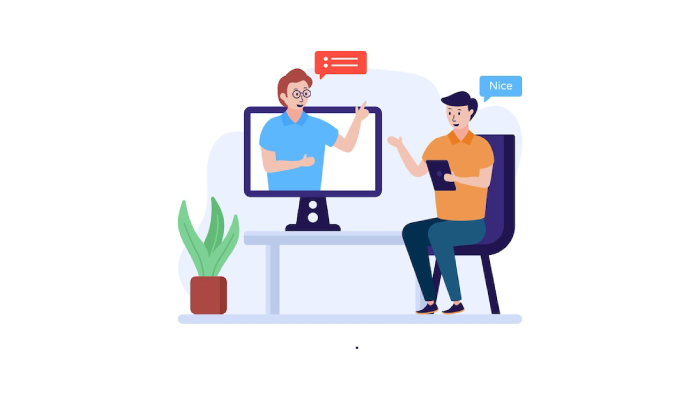
In a world where online education and remote examinations are gaining ground, the concept of remote proctoring tests has emerged as a game-changer. Imagine being able to take an exam from the comfort of your home while ensuring that academic integrity is maintained. Sounds convenient, right? However, behind this innovative approach lies a complex system designed to monitor students during their assessments.
Remote proctoring isn’t just about sitting in front of your computer with notes hidden underneath the keyboard; it’s an intricate blend of technology and ethics aimed at revolutionizing how we view testing. But what do you really know about these tests? You might be surprised by some lesser-known facts that challenge common perceptions. Let’s dive into five intriguing aspects of remote proctoring tests that could reshape your understanding and experience!
Definition and Purpose of Remote Proctoring Tests
Remote proctoring test are designed to maintain the integrity of online assessments. They use advanced technology to monitor students as they take exams from various locations.
The primary purpose is to ensure that the test-taker adheres to academic honesty guidelines. This means preventing cheating and verifying identity without being physically present in a traditional exam setting.
Typically, remote proctoring involves webcam monitoring, screen sharing, and sometimes even AI-driven analysis of behavior. These tools create a controlled environment for testing, similar to what you would find in a classroom.
As education shifts more towards digital platforms, remote proctoring has become essential. It provides flexibility for students while addressing concerns about fairness and security during examinations.
How Remote Proctoring Tests Work?
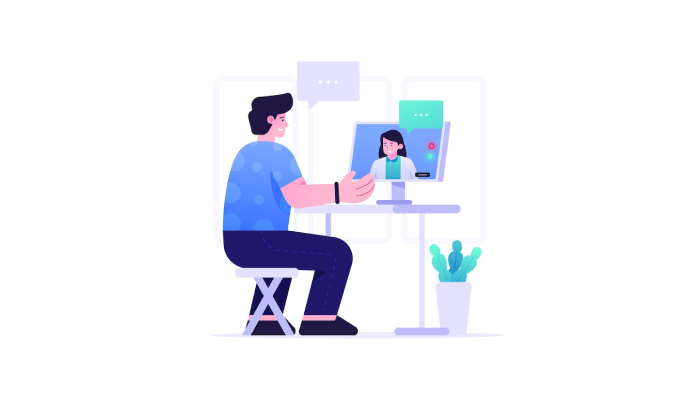
Remote proctoring tests utilize technology to monitor students during exams taken from home or other locations. This is achieved through a combination of webcam feeds, screen sharing, and specialized software.
When a student begins the remote proctoring test, they may be required to install specific applications that ensure compliance with exam protocols. These tools can record the testing environment and track any suspicious behavior.
During the exam, an automated system might flag unusual activities such as sudden movements or unauthorized materials. Some services even use artificial intelligence to analyze video footage in real-time for potential cheating indicators.
Additionally, live proctors can oversee the examination remotely via video chat. They have the ability to intervene if something appears amiss or if a technical issue arises.
This blend of automation and human oversight aims to create a secure testing experience while maintaining integrity in assessments.
Advantages and Disadvantages of Remote Proctoring Tests
Remote proctoring tests offer flexibility. Students can take exams from the comfort of their homes, reducing stress associated with travel and unfamiliar testing environments.
However, this convenience comes with challenges. Technical issues like poor internet connectivity can disrupt the exam experience. A malfunctioning webcam or software glitch might lead to unnecessary anxiety.
Another advantage is accessibility. Remote proctoring allows institutions to reach a broader audience, accommodating students who may have difficulty attending in-person assessments due to geographical constraints or health concerns.
On the flip side, privacy concerns are prominent. Many students worry about being monitored via cameras and microphones during their tests. This surveillance can feel invasive and uncomfortable for some individuals.
While remote proctoring aims to maintain exam integrity, there are doubts about its effectiveness against cheating compared to traditional methods of oversight within physical testing centers.
The Controversy Surrounding Remote Proctoring Tests
Remote proctoring tests spark intense debate among educators and students alike. Critics argue that the technology raises privacy concerns. Many students feel uncomfortable being monitored through webcams or screen recordings during exams.
There are also questions about fairness. Not everyone has access to a reliable internet connection or a quiet space for testing, potentially disadvantaging some candidates over others.
Furthermore, issues of trust come into play. Some people believe remote proctoring fosters an environment where cheating is still possible despite surveillance measures.
Mental health impacts cannot be ignored. The pressure of being watched can heighten anxiety levels in already stressed-out students during exam periods. This adds another layer to the ongoing discussions about whether these methods truly assess knowledge effectively or simply induce stress without solving underlying issues in education assessment systems.
Tips for Success in Remote Proctoring Tests
To ace your remote proctoring test, preparation is key. Start by familiarizing yourself with the testing software. Each platform has unique features and requirements, so a little practice can go a long way.
Create an optimal testing environment. Find a quiet space free from distractions. Ensure that your computer and internet connection are reliable to avoid interruptions during the exam.
On test day, dress as if you were going to a physical classroom. This not only helps shift your mindset but also ensures you comply with any camera monitoring rules.
Remember to take breaks when allowed for quick mental refreshers. Staying calm and composed will enhance focus on the questions at hand.
Follow all instructions thoroughly, including ID verification processes or room scans requested by the proctoring system. Your attention to detail can significantly impact your performance.
Alternatives to Remote Proctoring Tests
While remote proctoring tests have gained popularity, there are several alternatives worth considering. One option is in-person assessments, which provide a traditional testing environment. This method allows for direct interaction with instructors and immediate feedback.
Another alternative is open-book exams. These tests encourage critical thinking and application of knowledge rather than rote memorization. Students can use resources to support their answers, making the assessment more about understanding concepts.
Take-home assignments also offer flexibility and allow students to work at their own pace. They can dive deeper into topics without the pressure of time constraints found in standard testing formats.
Peer evaluations present another innovative approach. In this scenario, students assess each other’s work based on specific criteria set by educators. It fosters collaboration while ensuring accountability among peers.
Exploring these options can help institutions find methods that balance integrity with accessibility for all learners.
Conclusion
Remote proctoring tests have transformed the way assessments are conducted, especially in a digital-first world. They offer convenience and flexibility while maintaining academic integrity. However, they also raise concerns about privacy and accessibility that cannot be overlooked.
It’s essential to weigh both the benefits and drawbacks before embracing this testing method fully. As educational institutions continue to adapt, exploring alternatives or enhancements to remote proctoring may lead to more inclusive assessment methods.
With preparation and understanding of how these tests work, students can navigate them successfully. Embracing technological advancements in education is key—staying informed will ensure you’re ready for whatever comes next in your learning journey.

Victor Hearns is an American multi-genre writer. He is best known as the author of two series of some popular books. Victor was born in Jacksonville, FL but grew up in California with her grandmother. Her education includes degrees in English and Biology from Stanford University. In her free time, he helps people around the globe to live healthier & joyful life.