
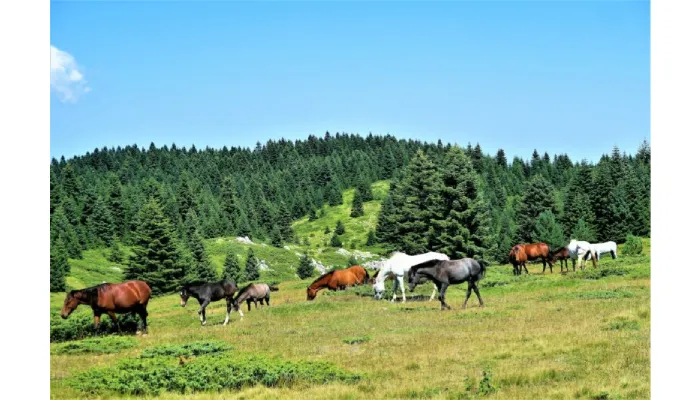
Pricing vacant land to sell fast starts with understanding that land markets differ a lot from homes. Since buyers care about things like zoning, access, and soil quality, you need to focus on these factors when setting the price. Start by researching recent sales of similar parcels nearby and check current listings to know what buyers expect. Hiring a professional appraiser can give you an unbiased valuation based on key details like location, size, and potential use. Avoid overpricing; listing slightly below market value (around 5-10%) often attracts more interest quickly. Also highlight your land’s best use clearly to reach the right buyers effectively.
How Vacant Land Sells Differently from Homes?
Vacant land sells in a way that’s quite different from homes, mainly because there are fewer buyers and the factors they consider are unique. Unlike homebuyers who focus on features like the number of bedrooms or kitchen upgrades, buyers of vacant land look at zoning rules, access roads, soil quality, and water rights. These elements can greatly affect what the land can be used for, which is often the main appeal since vacant land doesn’t offer immediate living comfort. The market for land tends to be smaller and slower moving, so it’s important to adjust your pricing and marketing accordingly. Buyers might be investors, developers, farmers, or recreational users, each with their own specific needs and concerns. For example, a farmer will care about soil quality and water access, while a developer focuses on zoning and access roads. Land parcels also vary widely in size and shape, which impacts interest and pricing. Additionally, land sales come with specialized issues like flood zones, easements, or environmental restrictions that don’t usually affect home sales. Financing can be tougher to secure for land purchases, which can lengthen the time it takes to close a deal. Understanding these differences helps set realistic expectations and guides you to choose sales strategies that fit the unique nature of vacant land.

Perform a Detailed Land Valuation Before Pricing
Start your pricing process with a thorough land valuation, beginning with a comparative market analysis (CMA). Look at recent sales of vacant land parcels nearby that share similar size, features, and location. This helps you understand what buyers have recently paid and sets a realistic price range. Also, review current listings to see what sellers are asking for comparable properties, keeping in mind that active listings show the competition you’ll face. To avoid guesswork, consider hiring a professional appraiser or land specialist experienced in vacant land. Their unbiased, expert valuation factors in unique land characteristics that impact value beyond simple comparisons.
Location plays a big role in land value. Check how close the land is to roads, utilities, and urban centers, since these can increase buyer interest and price. Evaluate physical aspects such as size, topography, slope, and shape, as these affect how the land can be used and its overall appeal. For example, steep slopes or irregular shapes may limit development potential and lower value.
Set a Competitive Price to Attract Buyers Quickly
Setting the right price is key to selling your vacant land fast. Avoid pricing it too high because that often scares off buyers and leaves your property sitting unused for months. Instead, consider pricing it slightly below market value, about 5-10% less, to generate more interest and encourage multiple offers. However, don’t go too low, as underpricing can make buyers suspicious or undervalue your land’s true worth. Factor in your carrying costs like property taxes and maintenance when deciding on your price to ensure you’re not losing money while waiting for a sale. Keep an eye on local market conditions, such as demand changes or economic shifts, since these directly affect what buyers are willing to pay. A fresh listing with a competitive price grabs attention early on, increasing the chance of a quick sale. If the property isn’t getting interest after a fair amount of marketing, be prepared to adjust the price. It also helps to explain your pricing by sharing recent appraisals or comparable sales to build buyer confidence and justify your asking price. Knowing what similar parcels have sold for recently prevents unrealistic pricing and helps balance speed with a fair return. Remember, your pricing strategy influences both how fast your land sells and the final amount you’ll net from the sale.
Highlight Your Land’s Best Use to Target Buyers
Identifying the most practical and profitable use for your vacant land is key to pricing it effectively and selling it quickly. Whether your land is best suited for farming, recreation, timber, or development, pinpointing this use will help you target the right buyer group. Start by researching local zoning rules and land use plans to confirm what is permitted and if rezoning is possible. If there’s potential to change zoning, highlight this in your marketing to attract developers or investors looking for value-added opportunities. Be sure to describe unique features that support your land’s best use, such as fertile soil for agriculture, reliable water access for livestock, scenic views for recreation, or existing infrastructure like roads or utilities that enhance usability. Also, mention surrounding land uses that complement your property’s purpose, which can boost appeal, for example, nearby farmland or protected natural areas. If your land can generate income through hunting leases, timber sales, or other streams, include this information to increase its attractiveness. Be honest about any limitations, such as difficult terrain or restricted access, so buyers have realistic expectations. Clearly communicating your land’s best use helps buyers understand its value and supports a price that reflects its true potential.
Prepare the Land and Gather All Necessary Documents
Before listing your vacant land, take time to clean up the property to make a good impression. Remove trash and excessive brush, but keep any features that add value, like mature trees or natural landscaping. Mowing or trimming overgrown vegetation can help show the land’s potential uses, whether for farming, building, or recreation. Enhancing access points by clearing paths or planting native shrubs near entrances can improve curb appeal without much cost. For marketing, use high-quality photos taken from ground level and consider drone shots if your parcel is large, as aerial views give buyers a better sense of the layout and surroundings. Alongside preparing the land, gather all essential documents buyers will want to see. This includes the property deed, recent tax bills, and any survey or plat maps that detail boundaries. Collect zoning information and note any easements or restrictions that affect the land. If you have environmental or soil studies, include those as well, since they provide insight into usability and potential development issues. Also, provide details about utility access, such as electricity, water, or septic availability. Organizing these materials into a clear package makes it easier to share with interested buyers and speeds up their decision process. Being prepared with a clean, visually appealing property and complete documentation builds buyer confidence, reduces uncertainty, and can lead to quicker offers.
Choose the Right Sales Method for Your Land
Selecting the right sales method can significantly impact how quickly your vacant land sells and at what price. Listing your property on major real estate websites and land-focused platforms like Lands of America or exposes it to a broad audience actively searching for land. If you prefer a discreet sale or want to target buyers who seek off-market deals, private listings can be a good option. Auctions are another approach that creates urgency and competitive bidding, but keep in mind they might lead to lower sale prices if demand is not strong. Consider whether to sell your land as one parcel or divide it into smaller sections. Smaller parcels near residential areas often attract buyers faster, while large tracts tend to appeal more in rural locations. Offering seller financing can open your sale to buyers who struggle to get traditional loans, potentially increasing both interest and your final price. Working with a real estate agent experienced in land sales can also widen your buyer network and provide specialized marketing strategies. Finally, evaluate current market conditions to choose the best time and method for your sale. Some sellers also explore lease options or rent-to-own arrangements to broaden their buyer pool and improve cash flow. Each choice comes with trade-offs in price, speed, and buyer reach, so weigh these factors carefully to align with your selling goals.
Market the Land Using Effective Strategies
Placing clear and visible signage on your land with contact information is one of the simplest yet effective ways to attract local buyers or passersby. Word of mouth remains powerful, so let neighbors, local businesses, and community members know your land is for sale. Advertising in local newspapers and community newsletters can reach buyers who prefer traditional media. Additionally, use social media platforms like Facebook and Instagram to post detailed listings, including acreage, zoning, and special features. Consider creating a dedicated website or landing page with professional photos, maps, and key selling points to provide easy access to information. Use drone footage or aerial shots to highlight the land’s unique aspects, such as topography or water access. Tailor your marketing to specific buyer groups, farmers, developers, hunters, or recreational users, by emphasizing features that matter most to each. Make sure to highlight accessibility, available utilities, and any improvements to appeal to serious buyers. Refresh your listings regularly to stay visible and show that the land is actively available. Combining both online and offline marketing tactics will broaden your reach and improve your chances of a quick sale.
Be Responsive and Flexible When Negotiating Offers
Responding quickly to inquiries and offers is crucial when selling vacant land. Buyers often explore multiple options, so delays can cause them to lose interest or move on. Staying prompt shows you’re serious and keeps buyers engaged. Flexibility during negotiations can make a big difference. Be open to adjusting sale terms such as price, closing dates, and contingencies to meet buyer needs without compromising your bottom line. For example, some buyers might want to include or exclude timber rights or fencing, so consider these elements as part of the deal to create value. Offering alternative sale structures like lease options or installment payments can also attract buyers who might not have full cash upfront. When multiple offers come in, use that interest to create urgency, encouraging buyers to act quickly and sometimes boosting your sale price. Throughout the negotiation process, keep communication clear and professional to build trust. Be ready to provide additional info or documents promptly when requested, as this helps buyers feel confident and speeds up decision-making. Understanding what motivates your buyer, whether it’s quick possession, investment potential, or flexibility on terms, allows you to tailor your approach and close the sale faster. Avoid dragging out negotiations or creating unnecessary delays because buyers can easily turn their attention elsewhere. Ultimately, being responsive and adaptable during negotiations often leads to a smoother, faster sale.
Frequently Asked Questions
1. How can understanding local land demand help in selling my vacant land faster?
Knowing what types of land buyers in your area are looking for can guide how you present and market your property. If there’s strong interest in recreational or residential land, highlighting those possibilities can attract more buyers quickly.
2. What role does land zoning play when preparing to sell vacant land?
Zoning determines what the land can be used for, such as agriculture, residential, or commercial. Being clear about the current zoning and any potential changes buyers could pursue helps set proper expectations and speeds up decision-making.
3. How might improving the land’s curb appeal influence buyer interest?
Simple steps like clearing overgrown brush, fixing fences, or creating access paths can make your land more inviting. Buyers often respond better when they can easily visualize themselves using the space, which can speed up the sale process.
4. Why is it important to gather all relevant land documents before listing my property?
Having title deeds, survey reports, and environmental assessments ready builds trust and smooths out the buying process. When buyers don’t have to wait for paperwork, they’re more likely to move ahead quickly.
5. How can working with a local real estate expert benefit me when selling vacant land?
Local agents understand neighborhood trends and buyer behaviors. They can provide practical advice on marketing strategies, suggest the right improvements, and connect you with serious buyers, helping your land sell faster.
TL;DR Pricing vacant land to sell fast means understanding that land sells differently than homes, with unique buyer concerns and a smaller market. Start with a detailed valuation using comparable sales, listings, and possibly an appraisal. Set a competitive price slightly below market to attract buyers quickly but avoid undervaluing. Highlight the land’s best use to target the right buyers and prepare the property by cleaning it up and gathering all key documents. Choose sales methods wisely, from traditional listings to auctions or cash buyers, and market effectively with clear signage, online ads, and targeted outreach. Stay responsive and flexible during negotiations, and organize due diligence early to speed up closing. Considering cash buyers can also help if quick sale is a priority, even if it means a slightly lower price.
Resource URL:

Victor Hearns is an American multi-genre writer. He is best known as the author of two series of some popular books. Victor was born in Jacksonville, FL but grew up in California with her grandmother. Her education includes degrees in English and Biology from Stanford University. In her free time, he helps people around the globe to live healthier & joyful life.