
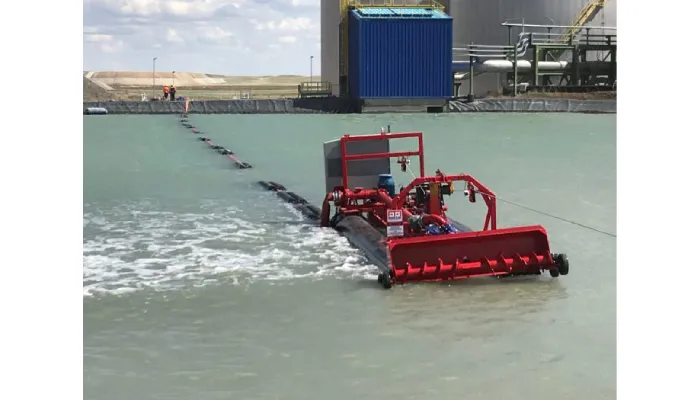
Optimizing mine tailings pond dredging plays a crucial role in improving sediment removal and reclamation efforts. Different dredging methods, such as mechanical and hydraulic techniques, are chosen based on pond conditions and tailings characteristics. Mechanical dredging offers precise material handling near the pond edges but is limited in reach, while hydraulic dredging supports continuous slurry pumping from deeper areas. Tailings dewatering using geotextile containment systems reduces volume and eases disposal or reuse. Integrating mineral recovery processes during dredging can offset costs and contribute to sustainability goals. Overall, careful site assessment, advanced equipment use, and environmental compliance help enhance water quality, increase pond capacity, and support land rehabilitation effectively.
Overview of Mine Tailings Pond Dredging
Mine tailings pond dredging is the process of removing or redistributing accumulated sediments and tailings to restore the pond’s capacity and enhance water quality. Tailings ponds collect fine-grained waste materials from mining operations, typically mixed with water, resulting in soft sediments that need specialized techniques for effective removal. Dredging plays a critical role in preventing pond overflow, which can lead to environmental hazards like contamination and operational interruptions. Additionally, it supports land reclamation by stabilizing sediments and reducing contamination risks, allowing previously impacted areas to be repurposed for other uses. Depending on the sediment type, ranging from coarse sands to fine silts or clays, the choice of dredging method varies to ensure efficiency. Regular monitoring of sediment layers and deposition rates helps determine the ideal timing and volume for dredging activities. Beyond sediment removal, dredging can recover residual valuable minerals left in tailings, improving resource recovery and reducing waste. The materials dredged are managed based on site-specific plans, which may include processing, storage, or reuse, all under strict environmental controls. Site factors such as pond size, depth, and accessibility heavily influence the dredging approach and equipment selection, making tailored strategies essential for successful operations. Overall, mine tailings pond dredging is a vital practice that balances environmental stewardship, operational needs, and reclamation goals in mining management.

Mechanical and Hydraulic Dredging Methods
Mechanical dredging relies on excavators, draglines, or long-reach machinery to scoop sediments, making it effective near pond edges where shoreline access and stable platforms are available. This method allows precise removal and handling of coarse or consolidated tailings, which can then be dewatered at the pond edge before transport or reuse, reducing slurry volumes and easing material management. However, its reach is limited to accessible areas and it demands heavy equipment maintenance. On the other hand, hydraulic dredging uses cutterhead or suction dredges to create a slurry that can be pumped from deeper or hard-to-reach pond zones. This slurry is transported through pipelines to treatment or storage sites, enabling continuous operation over large pond surfaces. The pumps and pipelines must be abrasion-resistant to handle sand and coarse particles, which can increase operational complexity. Mechanical dredging offers more control for localized sediment removal, while hydraulic dredging excels at covering larger areas efficiently. Often, hybrid approaches combine both methods based on sediment type, depth, and site conditions to optimize dredging outcomes. The choice between these methods depends on sediment characteristics, pond layout, equipment availability, and environmental constraints, with maintenance and operational costs varying accordingly between heavy machinery upkeep and pump and pipe management.
Combining Dredging Techniques for Best Results
Integrating mechanical and hydraulic dredging methods offers a practical way to optimize tailings pond reclamation by adapting to varying site conditions. Mechanical dredging works well near pond edges and for consolidated sediments where precision and material handling are key, while hydraulic dredging excels in removing deeper, finer sediments from less accessible areas. Using a hybrid approach, operators can alternate or run these methods simultaneously, reducing downtime and maximizing sediment removal. Detailed site mapping and sediment profiling guide the deployment of each technique, improving accuracy and addressing sediment heterogeneity by efficiently managing both coarse and fine materials. This combination also helps minimize environmental disturbance by limiting heavy equipment movement and controlling sediment resuspension, which protects surrounding ecosystems. Operational schedules can balance equipment wear and labor demands by switching between methods as needed. Moreover, targeting specific sediment layers with hybrid systems supports the recovery of residual minerals, enhancing resource efficiency. Tailored dredging plans that incorporate both mechanical and hydraulic approaches contribute to better water quality through more complete contaminant removal. Ultimately, combining these methods leverages their strengths, cutting project time and costs while delivering more effective and environmentally responsible tailings reclamation.
Site Assessment and Customized Dredging Plans
A thorough site assessment is the foundation of effective tailings pond dredging. This process starts with analyzing the tailings composition and sediment layers to understand particle size, moisture content, and mineral concentrations through sediment sampling and lab testing. Mapping pond geometry using bathymetric surveys with sonar technology provides detailed depth profiles and sediment thickness, helping accurately estimate the dredging volume. Environmental factors such as nearby habitats, water flow, and seasonal weather must be evaluated to determine the best timing and methods to minimize disruption. Risk assessments focus on potential impacts to water quality, wildlife, and safety for workers, guiding precautionary measures. Based on these insights, customized dredging plans are developed that specify the type of equipment needed, the sequence of dredging operations, sediment handling, and options for disposal or reuse. These plans also integrate regulatory requirements and permit conditions to ensure compliance and include monitoring protocols throughout the project. Contingency strategies are built in to address possible equipment failures, weather delays, or unexpected sediment variations. Engaging stakeholders early helps align dredging activities with community and environmental goals. During operations, plans are regularly reviewed and adjusted using real-time data and feedback from the field to maintain efficiency and responsiveness.
Using Precision Equipment and Mapping Technology
Accurate mapping of tailings ponds is essential for efficient dredging, and GPS combined with sonar technologies allows detailed bathymetric surveys and sediment layer profiling. This data guides dredging operations by revealing pond depth variations and sediment distribution, enabling precise excavation plans. Real-time monitoring systems track equipment location, dredging progress, and sediment removal rates, offering operational control that helps avoid over-excavation and reduces environmental impact. Using cutterhead wear parts and high-capacity pumps designed for abrasive tailings improves equipment reliability and efficiency, minimizing downtime and maintenance costs. To protect water quality during dredging, silt curtains and turbidity barriers are deployed, containing sediment plumes and limiting downstream contamination. Automated dredging controls maintain target depths consistently, conserving fuel and labor by reducing unnecessary movements. Integrating digital data allows adaptive optimization of dredging paths, saving time and resources by focusing efforts where needed most. Scheduling guided by mapping technology also helps avoid sensitive periods for local wildlife or adverse weather, supporting environmental compliance. Complementary tools like drones and remote sensing extend site monitoring capabilities, providing surface-level insights that pair with underwater surveys. Equipment telemetry offers maintenance alerts that lower unplanned downtime and enhance safety by anticipating failures before they occur. Together, these precision tools and technologies make tailings pond dredging more effective, environmentally responsible, and cost-efficient.
Efficient Sediment Dewatering and Handling
Dewatering is a critical step following dredging, as it significantly reduces the moisture content of tailings, which lowers their volume and weight for easier transport or storage. Common techniques include gravity settling, filter presses, centrifuges, and geotextile containment systems such as Geotubes®. These geotextile tubes serve a dual purpose by containing sediments and allowing water to drain, consolidating the material and making reclamation more manageable. Effective on-site dewatering helps minimize the environmental footprint by reducing the need for off-site disposal and enabling water reuse in mining operations. Proper handling during and after dewatering is essential to prevent remobilization of fine particles, which can cause water quality issues, and to control dust generation during drying and transport. Once dewatered, tailings can be repurposed for practical uses like construction materials, landfill covers, or mine backfill, supporting circular economy efforts. Designing the dewatering process requires careful consideration of sediment type, water chemistry, and the desired dryness for either reuse or disposal. Monitoring parameters such as moisture content and consolidation rates allows operators to optimize dewatering schedules and equipment performance. Integrating dewatering with water treatment systems ensures that reclaimed water meets discharge or reuse standards, closing the loop in sustainable tailings management.
Recovering Residual Minerals During Dredging
Tailings ponds often contain valuable residual minerals that can be recovered during dredging, turning what was once waste into a resource. By characterizing tailings to identify zones rich in these minerals, operators can target dredging efforts to maximize recovery and reduce the volume of material requiring disposal. Common recovery methods include flotation, magnetic separation, gravity concentration, and chemical leaching, each selected based on the mineralogy of the tailings. Integrating recovery systems directly with dredging equipment helps streamline operations by minimizing material handling and processing steps, improving efficiency and reducing costs. Monitoring recovery rates and the quality of remaining tailings enables ongoing process optimization and ensures compliance with environmental standards. Beyond economic benefits, recovering minerals supports circular economy goals by lowering the demand for virgin ore extraction, thus reducing the environmental footprint of mining. Collaborations with processing companies can enhance value capture, turning dredged tailings into profitable inputs for mineral processing. However, it is important to manage residual tailings responsibly after recovery to prevent environmental risks, maintaining the balance between resource efficiency and ecological protection.
Frequently Asked Questions
1. What are the key challenges in dredging mine tailings ponds efficiently?
The main challenges include dealing with the varying thickness and composition of tailings, managing the stability of pond walls, controlling water quality during dredging, and ensuring proper separation of solids and liquids to minimize environmental impact.
2. How can equipment selection impact the efficiency of tailings pond dredging?
Choosing the right equipment, such as cutter suction dredgers or hydraulic dredges, affects how well the process handles different tailings textures and pond conditions. Proper equipment reduces downtime, improves material recovery, and lowers energy consumption.
3. What role does monitoring technology play in optimizing tailings dredging operations?
Monitoring tools like sonar mapping, turbidity sensors, and slurry analyzers provide real-time data that helps operators adjust dredging depth, speed, and slurry concentration. This improves accuracy, reduces waste, and ensures safe reclamation progress.
4. How does optimizing water management influence tailings reclamation during dredging?
Effective water management controls sediment spread, maintains pond stability, and helps recycle water back into the process. This reduces environmental risks, lowers costs, and enhances the overall efficiency of reclaiming valuable materials from tailings.
5. What methods improve the handling and treatment of dredged tailings for better reclamation?
Methods like staged settling, flocculation, and dewatering allow solids to separate more effectively from water. Proper treatment ensures the reclaimed tailings are stable for further use or storage and reduces environmental contamination risks.
TL;DR Optimizing mine tailings pond dredging involves selecting the right mechanical, hydraulic, or hybrid methods based on site conditions and sediment type. Using precision equipment and mapping helps improve efficiency and reduce environmental impact. Effective sediment dewatering and managing water quality support reclamation goals. Recovering residual minerals and applying circular economy principles enhance sustainability. Compliance with environmental and safety regulations is essential. Innovations like geotextile containment and AI-driven dredging are shaping the future. Implementing these strategies restores pond capacity, improves water quality, reduces costs, and supports land reuse in mining operations.
Resource URL:
https://en.wikipedia.org/wiki/Dredging
https://mudcatdredge.com/mining-dredges/

Victor Hearns is an American multi-genre writer. He is best known as the author of two series of some popular books. Victor was born in Jacksonville, FL but grew up in California with her grandmother. Her education includes degrees in English and Biology from Stanford University. In her free time, he helps people around the globe to live healthier & joyful life.