
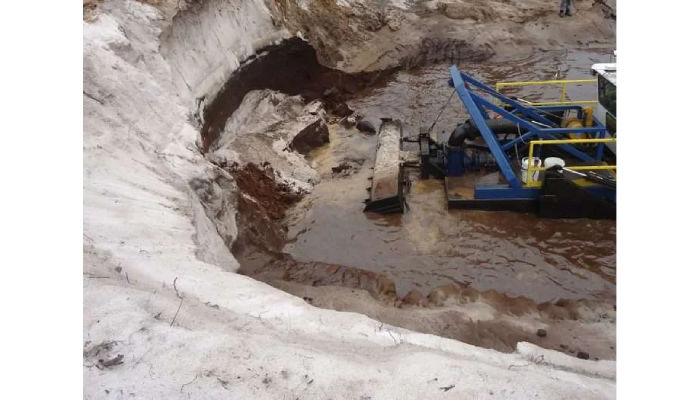
A sand dredge is an essential piece of equipment for excavation, mining, and construction projects that involve the removal and transportation of sand and sediments. Proper maintenance is crucial for ensuring the longevity, efficiency, and safety of your dredging operations. Neglecting routine maintenance can lead to costly breakdowns, reduced performance, and even safety hazards. This guide covers the key maintenance practices that will keep your sand dredge operating at peak efficiency for years to come.
1. Regular Inspection and Preventive Maintenance
Conducting routine inspections is the first step in maintaining your sand dredge. These inspections help identify potential issues before they turn into major problems. Key areas to inspect include:
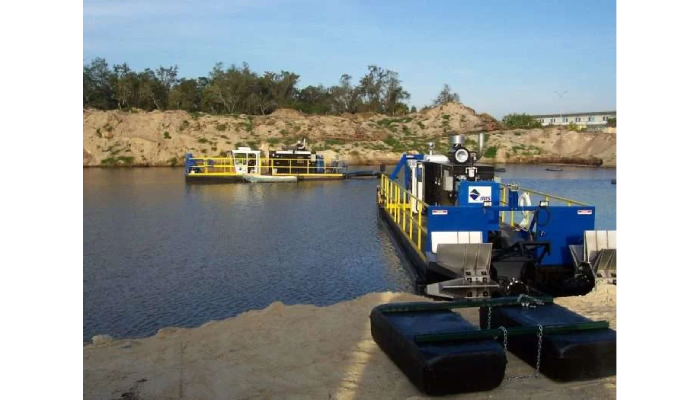
- Dredge Pump – Check for wear and tear, clogs, or leaks that could impact suction and discharge efficiency.
- Hoses and Pipes – Ensure there are no cracks, leaks, or blockages in the pipeline.
- Engine and Hydraulic System – Monitor fluid levels, check for leaks, and ensure the engine is running smoothly.
- Cutter Head or Suction Head – Inspect for debris accumulation or signs of excessive wear.
- Electrical Components – Check wiring, sensors, and control panels for any faults or damage.
Establishing a preventive maintenance schedule ensures that small issues are resolved before they cause expensive downtime.
2. Cleaning and Lubrication
Keeping your sand dredge clean is fundamental to its longevity. Accumulated debris, sediment, and rust can cause major mechanical issues over time. Follow these best practices:
- Clean the Dredge Hull and Components – Remove any sediment buildup, barnacles, or debris to prevent corrosion and structural damage.
- Flush the System – Regularly flush the dredge pump and pipes to prevent blockages and ensure smooth material flow.
- Lubricate Moving Parts – Proper lubrication of bearings, gears, and chains reduces friction and prevents wear.
- Apply Anti-Corrosion Coatings – Especially for dredges operating in saltwater environments, applying protective coatings minimizes rust and degradation.
3. Monitor and Replace Wear Parts
Dredging operations involve continuous wear and tear on key components. Some of the most commonly replaced wear parts include:
- Dredge Pump Impellers and Liners – These components face constant abrasion and require periodic replacement.
- Cutter Teeth and Blades – If your sand dredge uses a cutter head, the teeth will wear down over time and need replacement.
- Seals and Bearings – Worn-out seals can lead to fluid leaks, while failing bearings can cause mechanical failures.
- Hoses and Pipes – Regularly inspect for cracks and replace damaged hoses to prevent leaks and blockages.
Keeping spare parts on hand and scheduling replacements in advance will prevent unexpected downtime.
4. Engine and Hydraulic System Maintenance
The engine and hydraulic system are the heart of your sand dredge, and their maintenance is crucial for long-term performance.
- Change Oil and Filters Regularly – Follow the manufacturer’s recommended schedule for changing engine oil, fuel filters, and hydraulic fluid.
- Monitor Hydraulic Pressure – Check for leaks and ensure that hoses, valves, and seals are in good condition.
- Coolant System Check – Overheating can damage the engine, so ensure the coolant system is functioning properly.
- Battery Maintenance – Keep terminals clean, check electrolyte levels, and replace weak batteries to avoid power issues.
5. Proper Storage and Off-Season Care
When the sand dredge is not in use, proper storage is necessary to prevent damage and extend its lifespan.
- Dry Storage – If possible, store the dredge in a dry dock or covered area to protect it from harsh weather.
- Drain Water from Systems – Standing water in pipes and pumps can lead to corrosion or freezing damage.
- Disconnect Power Sources – Remove batteries and secure electrical components to prevent unnecessary wear.
- Apply Protective Covers – Cover exposed metal parts with anti-rust sprays or protective coatings.
Conclusion
Proper maintenance of a sand dredge is essential for maximizing performance, minimizing downtime, and extending the lifespan of the equipment. By implementing regular inspections, cleaning, lubrication, component monitoring, and operator training, you can keep your dredging operations running smoothly and efficiently. Investing time and resources in maintenance today will save you from costly repairs and replacements in the future.

Hello, I’m Charity Morris, an adept writer based in the bustling city of Seattle, United States. With a diverse skill set encompassing business, technology, and more, I navigate the intricacies of innovation with finesse. Join me on a journey through insightful narratives that demystify complex subjects and make the world of business and tech accessible to all.