
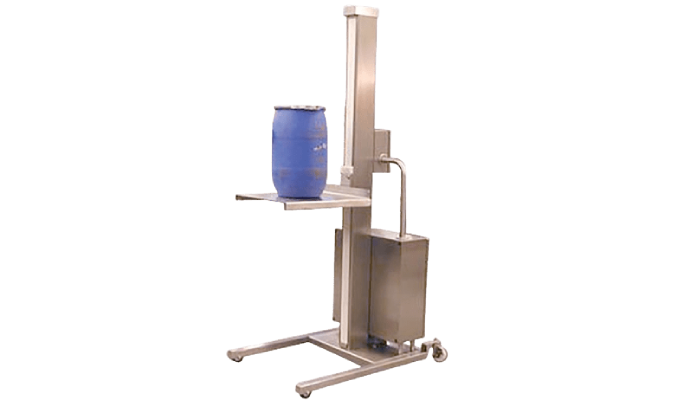
Drum handling equipment plays a crucial role in industrial and warehouse settings, ensuring the safe transport, storage, and dispensing of drums containing liquids, chemicals, and other materials. Proper maintenance of this equipment is essential to ensure operational efficiency, prevent accidents, and extend its lifespan. In this guide, we will discuss essential maintenance tips for drum handling equipment to keep it in top condition.
Regular Inspection and Preventative Maintenance
Visual Inspection
Regular visual inspections help identify wear and tear before they lead to equipment failure. Check for cracks, rust, or corrosion, especially on metal components. Look for loose bolts, worn-out wheels, and any deformities in the structure.
Lubrication and Moving Parts Maintenance
Drum handling equipment consists of several moving parts, such as wheels, axles, and hydraulic components. Lubricate these parts periodically with manufacturer-recommended grease or oil to ensure smooth operation and reduce friction-related wear.
Checking for Structural Integrity
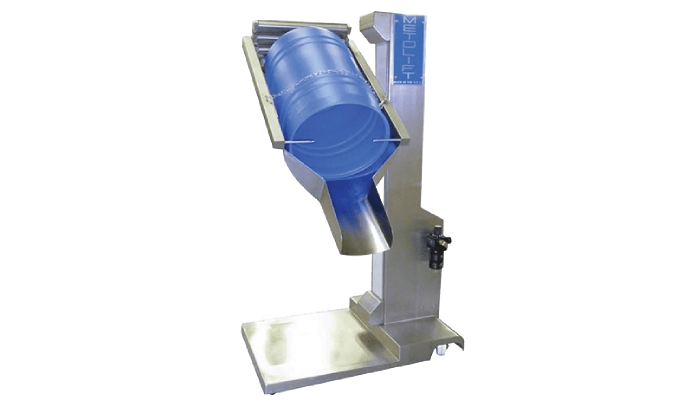
Over time, drum lifters, trucks, and dollies may experience strain that leads to bending or weakening. Inspect welds and joints to ensure they remain strong and intact. If you notice any bending or cracking, address it immediately to avoid hazardous situations.
Proper Cleaning and Rust Prevention
Routine Cleaning Procedures
Dirt, grease, and chemicals can accumulate on drum handling equipment, leading to performance issues and deterioration. Wipe down surfaces regularly using a mild detergent and warm water. For metal components, use a rust-resistant cleaner to prevent corrosion.
Rust Prevention Measures
If your drum handling equipment is exposed to moisture or harsh environments, apply a rust inhibitor or protective coating to metal surfaces. Store equipment in a dry, covered area to prevent exposure to moisture and extreme temperatures.
Hydraulic System Maintenance (For Hydraulic Drum Equipment)
Checking Hydraulic Fluid Levels
Hydraulic drum lifters and carriers rely on hydraulic fluid for smooth operation. Regularly check the fluid levels and top up if necessary. Use the manufacturer-recommended hydraulic fluid to avoid system damage.
Inspecting Hydraulic Hoses and Seals
Hydraulic leaks can lead to inefficient lifting and potential safety hazards. Inspect hoses, seals, and cylinders for leaks or cracks. Replace worn-out seals immediately to prevent hydraulic fluid loss and equipment failure.
Bleeding Air from the Hydraulic System
Air trapped in the hydraulic system can reduce performance. If you notice erratic movement or weak lifting power, bleed the air out following the manufacturer’s instructions.
Safety Checks and Compliance Measures
Brake and Wheel Inspection
Many drum handling equipment models have wheels and brakes to ensure stability. Regularly inspect the brakes for wear and adjust them as needed. Make sure wheels roll smoothly and replace any damaged ones to prevent operational hazards.
Load Capacity Verification
Each drum handling equipment type has a specified load capacity. Overloading can lead to equipment failure and safety risks. Regularly check weight limits and ensure operators adhere to manufacturer guidelines.
Operator Training and Safety Compliance
Proper use of drum handling equipment significantly impacts its longevity. Train employees on correct handling procedures and emphasize safety protocols, such as securing drums properly before moving them and avoiding rough terrain.
Battery and Electrical System Care (For Electric Drum Handling Equipment)
Battery Maintenance
For electric-powered drum handling equipment, maintaining the battery is crucial. Keep terminals clean and free from corrosion. Charge batteries according to manufacturer guidelines to prevent overcharging or deep discharge, which can shorten battery life.
Wiring and Electrical Component Inspection
Periodically check wiring connections for any signs of wear, fraying, or loose connections. Faulty wiring can lead to malfunctions or potential fire hazards. Replace damaged wires immediately.
Conclusion
Proper maintenance of drum handling equipment ensures safety, prolongs lifespan, and improves operational efficiency. Regular inspections, lubrication, hydraulic system checks, and safety compliance measures help prevent costly repairs and downtime. By following these maintenance tips, businesses can enhance productivity while ensuring workplace safety. Investing time in preventative maintenance is a small effort that yields long-term benefits for both equipment performance and overall business operations.

Hello, I’m Charity Morris, an adept writer based in the bustling city of Seattle, United States. With a diverse skill set encompassing business, technology, and more, I navigate the intricacies of innovation with finesse. Join me on a journey through insightful narratives that demystify complex subjects and make the world of business and tech accessible to all.