Stem cell storage has become a popular option for parents and individuals looking to secure potential future medical treatments. As medical advancements continue to evolve, the ability to store stem cells from umbilical cord blood, bone marrow, and other sources offers a promising safeguard against various diseases. However, one of the biggest concerns for many is the stem cell storage cost. Understanding whether this investment is worthwhile requires evaluating the benefits, financial commitment, and potential future uses.
What Is Stem Cell Storage?
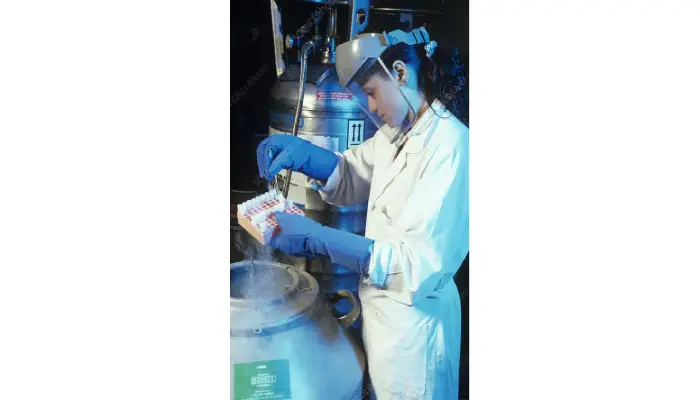
Stem cell storage involves collecting and preserving stem cells for future medical use. These cells can regenerate and repair damaged tissues, making them highly valuable for treating conditions such as leukemia, lymphoma, immune disorders, and even certain degenerative diseases. The stem cell storage cost varies depending on factors like collection method, storage facility, and duration of storage.
Types Of Stem Cells For Storage
Before assessing whether the stem cell storage cost is justified, it’s important to understand the types of stem cells that can be preserved:
- Umbilical Cord Blood Stem Cells – Collected at birth, these stem cells are rich in hematopoietic stem cells (HSCs) used to treat blood disorders and immune deficiencies.
- Bone Marrow Stem Cells – Often stored for potential use in treating cancer and autoimmune diseases.
- Adipose (Fat) Stem Cells – Collected from fat tissue and being researched for regenerative therapies.
- Peripheral Blood Stem Cells – Gathered through blood collection methods for use in various treatments.
Each of these options comes with varying levels of effectiveness and compatibility, which impacts the overall stem cell storage cost.
Breaking Down The Stem Cell Storage Cost
The cost of stem cell storage can be broken down into different components:
- Collection Fees – The initial cost for harvesting stem cells, which can range from $1,000 to $2,500.
- Processing Fees – Lab processing and preparation for cryopreservation, costing around $500 to $2,000.
- Annual Storage Fees – Ongoing costs for maintaining stem cells in cryogenic storage, typically $100 to $300 per year.
- Lifetime Storage Plans – Some facilities offer one-time payment plans ranging from $3,000 to $5,000 for long-term storage.
The total stem cell storage cost depends on the provider and storage duration, with some families opting for lifetime storage plans to avoid annual fees.
The Benefits Of Stem Cell Storage
While the stem cell storage cost may seem high, the potential benefits make it an attractive option:
- Treatment of Life-Threatening Diseases – Stem cells are used to treat over 80 medical conditions, including leukemia, sickle cell anemia, and certain metabolic disorders.
- Future Medical Advancements – Research in regenerative medicine suggests that stem cells could be used for treating diabetes, Parkinson’s disease, spinal cord injuries, and even organ regeneration.
- Compatibility for Family Members – Stem cells stored from umbilical cord blood have a high compatibility rate for siblings, increasing their potential use within a family.
- Non-Invasive Collection Process – Unlike bone marrow transplants, collecting umbilical cord blood is painless and risk-free.
- Long-Term Viability – Properly stored stem cells can remain viable for decades, ensuring they can be used when needed.
Is The Stem Cell Storage Cost Justifiable?
Determining whether the stem cell storage cost is worth it depends on several factors:
- Family Medical History – Families with a history of genetic disorders or blood-related conditions may find stem cell storage more valuable.
- Financial Considerations – While the initial investment is significant, long-term benefits could outweigh the cost if stem cells are needed for treatment.
- Scientific Advancements – As research progresses, stored stem cells could play a role in revolutionary treatments, increasing their value over time.
- Alternative Treatment Availability – In some cases, alternative therapies might reduce the necessity of using stored stem cells, influencing the decision-making process.
Public Vs. Private Storage: Which One Is Right?
The stem cell storage cost also depends on whether you choose public or private storage:
- Public Stem Cell Banks – Offer free donation-based storage but do not guarantee access to your child’s stem cells in the future.
- Private Stem Cell Banks – Provide exclusive access but involve higher costs.
Families who want to ensure that stem cells remain available for personal use often opt for private storage despite the higher stem cell storage cost.
Potential Drawbacks Of Stem Cell Storage
While the benefits are significant, some potential drawbacks must be considered:
- High Initial and Ongoing Costs – The total stem cell storage cost can be a burden for some families.
- Uncertain Future Use – There is no guarantee that stored stem cells will be needed or used.
- Limited Compatibility – In some cases, stored stem cells may not be compatible with the donor due to genetic mutations.
Conclusion
The decision to invest in stem cell storage ultimately comes down to personal preference, financial ability, and medical considerations. While the stem cell storage cost can be high, the potential to treat life-threatening conditions and benefit from future medical advancements makes it a compelling option for many families. If financial constraints are a concern, exploring flexible payment plans or alternative storage options can help make this life-saving investment more accessible.

Hello, I’m Charity Morris, an adept writer based in the bustling city of Seattle, United States. With a diverse skill set encompassing business, technology, and more, I navigate the intricacies of innovation with finesse. Join me on a journey through insightful narratives that demystify complex subjects and make the world of business and tech accessible to all.