Custom injection molding solutions are crucial for producing high-quality, precise plastic parts in various industries, from automotive to healthcare. However, the challenge many businesses face is balancing the cost of production with maintaining the quality of the molded components. Achieving this balance requires careful consideration of multiple factors such as material selection, tooling, production techniques, and vendor collaboration. In this guide, we’ll explore how to strike the right balance between cost and quality when choosing custom injection molding solutions.
Understanding Custom Injection Molding Solutions
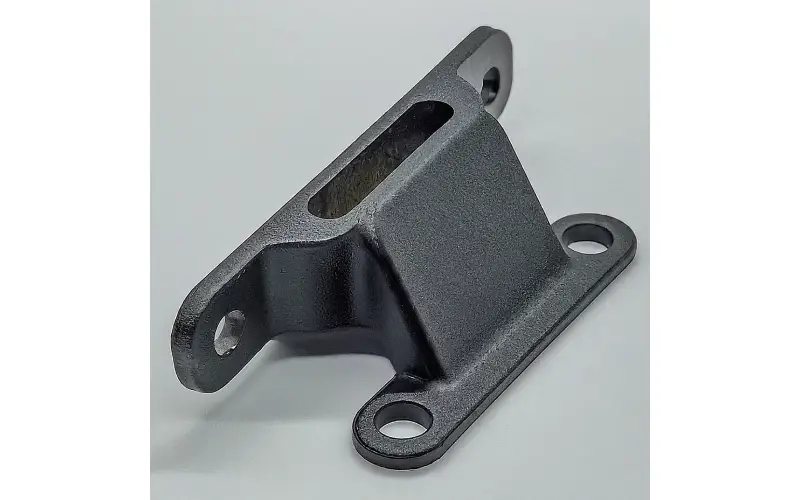
Custom injection molding solutions is a manufacturing process where molten plastic is injected into a mold to create specific shapes and parts. This technique is used across industries for products ranging from consumer electronics to industrial components. The custom aspect refers to the unique specifications of each product, tailored to meet a client’s exact requirements. The core benefits of custom injection molding include high precision, repeatability, and the ability to produce complex geometries that are difficult or impossible to achieve with other manufacturing methods. However, managing both the cost of production and the expected quality of the end product is essential to maximizing efficiency and profitability.
Material Selection And Its Impact On Cost And Quality
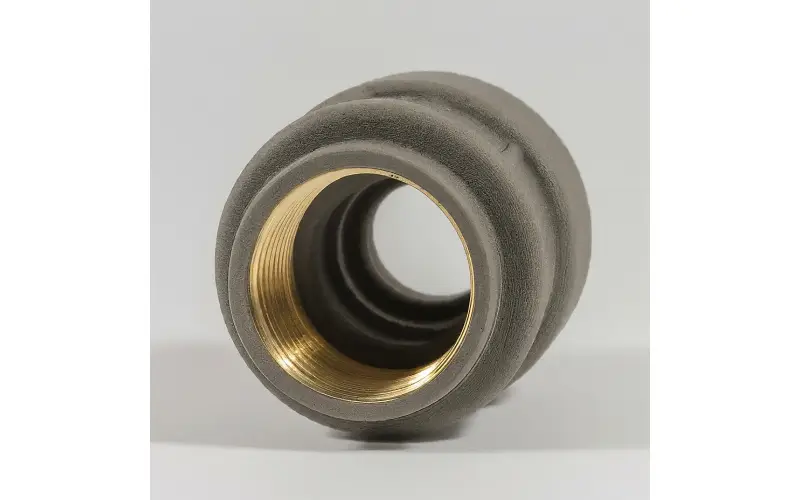
The material used in injection molding has a significant effect on both cost and quality. Common materials include thermoplastics, thermosets, and elastomers. Each material comes with different properties, costs, and potential applications.
- Cost Considerations: Materials such as standard polypropylene or polyethylene tend to be cost-effective but may not always meet high-quality standards, especially in demanding applications. On the other hand, high-performance plastics like polycarbonate or PEEK can provide superior quality but come with a higher price tag.
- Quality Considerations: Choosing the right material for your part’s function is crucial. Materials that offer better resistance to heat, chemicals, or wear may be necessary for specific applications but could increase production costs. Therefore, understanding the performance requirements of the product can help in choosing the most appropriate material that balances both cost and quality.
Tooling And Mold Design: Key To Efficiency And Precision
Tooling plays a central role in custom injection molding solutions. The mold design must be precise to produce high-quality parts consistently. While investing in a high-quality mold can be expensive initially, it significantly affects the production process and final product quality.
- Tooling Costs: The design and manufacturing of the mold are significant cost factors in custom injection molding. Complex mold designs with intricate features, undercuts, or multiple cavities will naturally increase the tooling cost. In contrast, simple molds can be produced more cost-effectively but may limit the complexity of the parts.
- Quality and Longevity of Molds: Higher-quality molds tend to last longer and produce more parts, reducing the overall cost per part over time. They also reduce the risk of defects and inconsistent product quality. Therefore, investing in high-quality tooling initially can help minimize future rework and defects, ultimately benefiting both cost and quality.
- Optimizing Mold Design: To balance cost and quality, it is essential to optimize the mold design. Working with experienced engineers to streamline mold features, reduce unnecessary complexity, and ensure ease of maintenance can help reduce initial costs without compromising on quality. Prototyping before committing to full-scale production is another technique to reduce mold errors and fine-tune designs.
Production Techniques: Efficiency Drives Cost Reduction
Once tooling is in place, the production techniques used to mold the plastic parts also contribute to the cost and quality balance. Several factors influence production efficiency, such as cycle times, machine settings, and automation levels.
- Cycle Time and Cost Reduction: Reducing cycle time without sacrificing product quality is a crucial way to lower production costs. Shorter cycle times mean more parts can be produced in less time, improving cost efficiency. However, speeding up production must be done cautiously, as rushing the process can lead to defects, which could hurt the product’s overall quality.
- Automation and Consistency: Automation can enhance both cost and quality in injection molding. By automating certain parts of the process, such as material feeding, part ejection, and packaging, manufacturers can reduce labor costs and minimize human errors. Consistent machine settings also ensure that parts are produced uniformly, maintaining high quality while reducing rework.
Vendor Selection And Collaboration
Choosing the right manufacturer for your custom injection molding solutions is critical to balancing cost and quality. An experienced and reliable injection molding vendor can work with you to optimize both aspects through strategic planning and collaboration.
- Evaluating Capabilities: When selecting a vendor, consider their capabilities in terms of technology, material options, tooling expertise, and quality control measures. Vendors with a strong history of delivering high-quality products at competitive prices may offer more flexible pricing structures and a deeper understanding of your needs.
- Long-term Relationships: Building a long-term partnership with your injection molding supplier can help reduce costs over time. As your vendor becomes more familiar with your specific requirements, they can identify efficiencies in production, design, and materials that benefit both parties. Establishing a strong relationship can also lead to discounts, faster lead times, and more responsive service.
- Communication and Transparency: Maintaining open communication with your injection molding partner ensures that expectations are clear on both sides. Discussing both quality standards and cost constraints upfront can lead to better solutions that align with your budget while still meeting necessary product specifications.
Quality Control: Maintaining Standards Without Extra Costs
Ensuring consistent product quality while controlling costs requires a strong focus on quality control. Incorporating quality assurance processes throughout the production lifecycle is essential to avoid costly rework or defects.
- In-process Inspections: Conducting inspections at various stages of production, from material input to finished parts, helps identify potential issues early, reducing the need for costly corrective actions later. Regular in-process inspections ensure that each part meets the desired quality standard before it moves to the next stage.
- Testing and Validation: Before mass production begins, prototype parts should undergo rigorous testing to validate their design and performance. This helps ensure that the product meets functional and aesthetic requirements, reducing the likelihood of costly revisions later in the process.
- Lean Manufacturing Principles: Implementing lean manufacturing techniques can reduce waste and improve production efficiency, helping to balance cost and quality. This includes eliminating excess materials, reducing defects, optimizing workflow, and focusing on continuous improvement.
Striking The Right Balance: Evaluating Trade-offs
Achieving the perfect balance between cost and quality in custom injection molding solutions often requires making trade-offs. Here are a few strategies to assess these trade-offs effectively:
- Prioritize Core Features: Focus on the features that matter most to your product’s performance. You may be able to compromise on certain aesthetic elements or material types to save costs, as long as the core functionality of the product is not compromised.
- Value Engineering: Value engineering involves analyzing your design to identify ways to reduce costs without sacrificing quality. This may include simplifying designs, choosing less expensive materials, or optimizing the molding process.
- Quantify Long-Term Savings: When deciding whether to invest in higher-quality materials or tooling, consider the long-term savings from fewer defects, reduced scrap, and higher-quality finished products. Sometimes, a slightly higher upfront cost can lead to substantial savings down the road.
Conclusion
Balancing cost and quality in custom injection molding solutions requires careful planning, material selection, tooling design, and production techniques. By optimizing these factors and collaborating with the right vendors, you can reduce costs while ensuring the end product meets the highest quality standards. Investing in quality tooling and materials may seem expensive upfront, but it often pays off in the long run with increased efficiency, reduced defects, and improved product performance. Ultimately, achieving a balance between cost and quality is about making informed decisions, understanding the nuances of the molding process, and focusing on long-term benefits for both your business and your customers.

Hello, I’m Charity Morris, an adept writer based in the bustling city of Seattle, United States. With a diverse skill set encompassing business, technology, and more, I navigate the intricacies of innovation with finesse. Join me on a journey through insightful narratives that demystify complex subjects and make the world of business and tech accessible to all.